How to understand that your Sphinx is happy: signs of good health
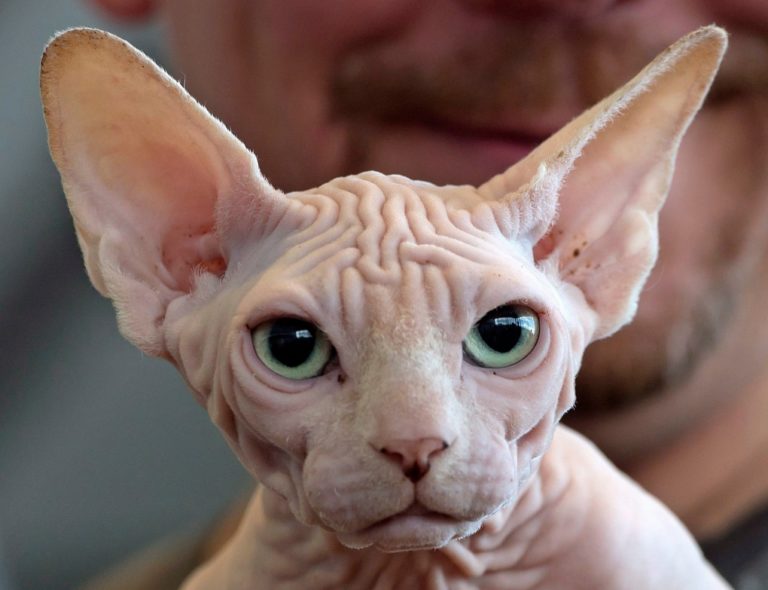
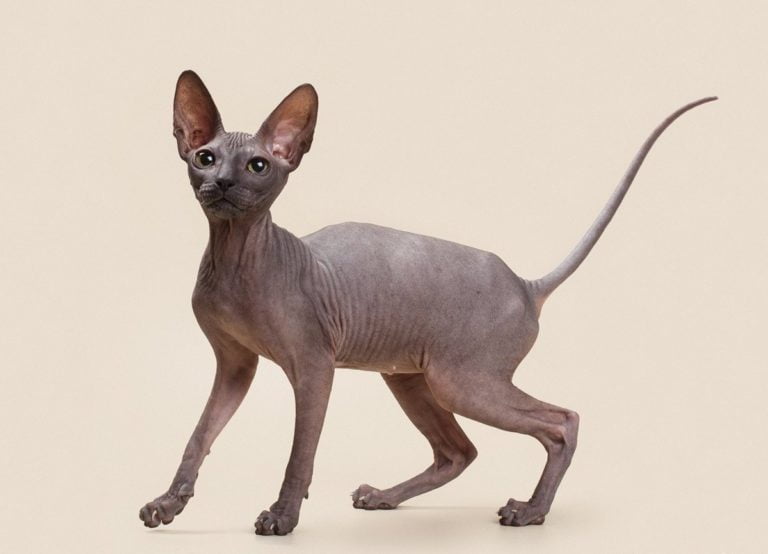
The sphinxes, known for their lack of wool and expressive faces, have unique ways to express happiness. Understanding these signs is crucial to ensure the well -being of your cat companion.
Content
Behavior
The definition of happiness in the sphinx cat requires attentive observation and understanding of their unique needs. Unlike other breeds, the sphinxes have special characteristics that affect their behavior and the manifestation of emotions. Therefore, in order to verify the well -being of your pet, you need to pay attention to a number of key features.
First of all, pay attention to their vocalization. The sphinxes are usually more talkative than other cats, and their purring, meowing and other sounds can tell a lot about their mood. A soft, soothing purring is usually a sign of satisfaction and relaxation. However, it is important to distinguish it from other types of vocalization, such as loud meowing, which can indicate hunger, boredom or discomfort. In addition, pay attention to the tone and frequency of meowing to better understand what your Sphinx is trying to tell you.
Next, watch their body language. A relaxed pose, with half -closed eyes and slow blinking, is a clear sign of comfort and trust. The sphinxes who feel safe and are happy will often lie on their backs, demonstrating their stomach, which is a sign of vulnerability and trust. On the other hand, pressed ears, reared wool (even if they have little it) and a tense pose can indicate fear, anxiety or discomfort.
In addition, pay attention to their playfulness. Sphinxes are energetic and curious cats that love to play. A healthy and happy Sphinx will actively participate in games, pursue toys and interact with you. A decrease in interest in games or lethargy may be a sign that something is wrong. Therefore, regularly offer them interactive toys and devote time for games to stimulate their mind and body.
In addition to this, follow their appetite and habits for yourself. Healthy appetite and regular care are signs of well -being. Sphinxes who feel good will regularly eat and carefully lick themselves. Changes in appetite, such as refusal of food or excessive overeating, may indicate health problems or stress. Similarly, neglect of the care of a disease or depression.
Finally, pay attention to their social interaction. Sphinxes are social cats that love to spend time with their people. Happy Sphinx will look for your attention, rub about you and sleep next to you. Isolation, avoiding contact and aggressive behavior can be signs that something is wrong. Therefore, pay enough attention to them, affection and time, so that they feel loved and safe. Remember that each Sphinx is individual, and it is important to understand the unique needs and preferences of your pet in order to provide him with a happy and healthy life.
Physical health
Pay attention to the eyes and ears of your sphinx. Eyes should be clear and shiny, without discharge or redness. Any signs of lacrimation, pus or cloudings can indicate an infection or other disease. Similarly, the ears should be clean and smell. The accumulation of sulfur is normal, but an excessive amount, accompanied by redness, itching or an unpleasant odor, may indicate an ear infection.
In addition, pay attention to the level of energy and the activity of your cat. Sphinxes are usually active and playful cats. If your cat suddenly became sluggish, apathetic or refuses to play, this may be a sign that she does not feel good. On the other hand, excessive hyperactivity or anxiety can also indicate problems such as hyperthyroidism.
Finally, regular visits to the veterinarian are an integral part of maintaining the health and happiness of your Sphinx. The veterinarian can conduct a thorough inspection, identify any potential problems at the early stage and give recommendations for care and nutrition. In addition, vaccination and prevention of parasites are important for protecting your cat from diseases and maintaining its health. Thus, attentive observation of the physical state of your sphinx, in combination with regular visits to the veterinarian, will help you provide him with a long and happy life.
Social interaction
Social interaction plays a key role in the well -being of the Sphinx cat. These cats, known for their absence of wool and sociable character, are often looking for attention and affection from their owners. Therefore, observation of their behavior in social situations can give valuable information about their general happiness and health.
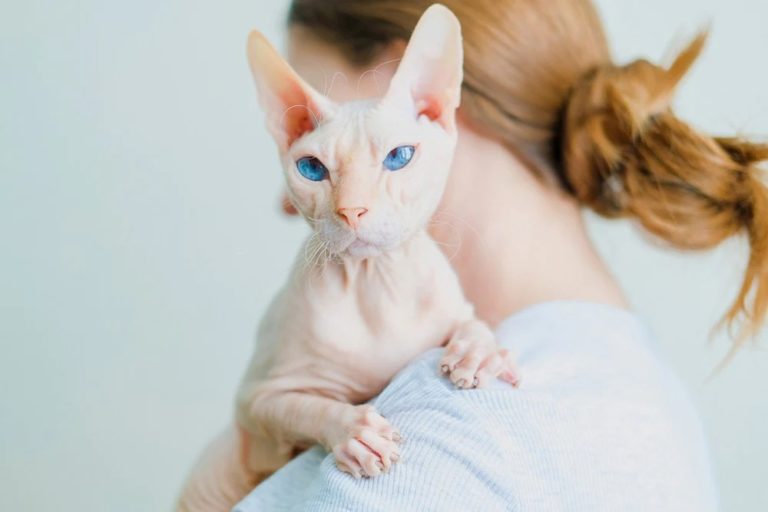
First of all, pay attention to how your Sphinx welcomes you. The happy Sphinx is likely to actively welcome you to the door, purr and rub on your legs. This is a clear sign that he is glad of your return and is looking for your attention. Moreover, he may even try to jump on your arms or shoulders to express his affection.
In addition, pay attention to how your Sphinx interacts with other family members and pets. Happy Sphinx usually gets along well with others, showing playfulness and friendliness. He can play with other cats or dogs, share his toys with them and even sleep next to them. However, if your Sphinx shows aggression, detachment or fear in the presence of others, this may indicate that it experiences stress or discomfort.
In addition to this, it is important to consider how your Sphinx reacts to affection and attention. Happy Sphinx will enjoy affection and scratching, especially in the head and neck. He can purr, close his eyes and relax when you iron it. On the other hand, if your Sphinx avoids touch, hisses or bites, this may be a sign that he experiences pain, discomfort, or simply not in the mood for communication.
Moreover, playfulness is an important indicator of the happiness of the Sphinx. Happy Sphinx will actively play with toys, chase a laser pointer and explore its environment. He can even bring you his toys so that you play with him. However, if your Sphinx has lost interest in the games, this may be a sign that he is sick, depressed, or simply misses.
Finally, pay attention to how your Sphinx behaves when left alone. Happy Sphinx, as a rule, tolerates loneliness well, especially if he has access to toys, claws and a convenient sleeping place. However, if your Sphinx shows signs of anxiety of separation, such as excessive meowing, scratching furniture or urination outside the tray, this may indicate that he feels lonely and needs more attention.
In conclusion, closely observing your Sphynx's social interactions can provide valuable information about his overall happiness and well-being. Pay attention to how he greets you, interacts with others, responds to affection, plays, and behaves when left alone. If you notice any changes in his behavior that concern you, consult your veterinarian to rule out any underlying health problems. Remember that a happy Sphynx is a healthy Sphynx, and by paying attention to his social needs, you can ensure he has a long and happy life.