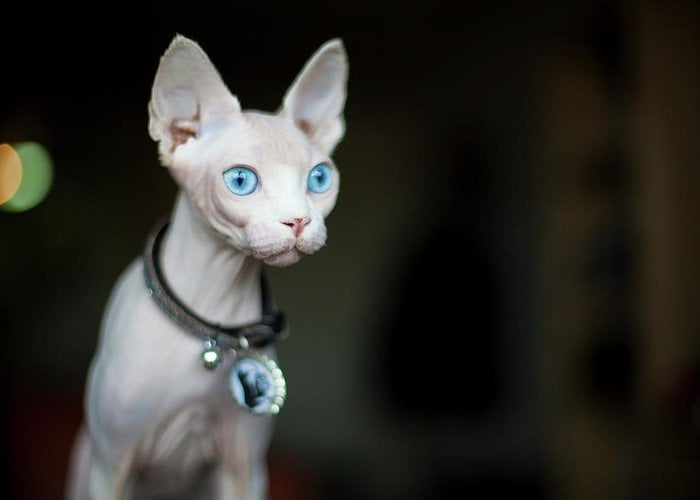
Tularemia in the Sphynx cat
It’s sad when your beloved Sphynx cat gets sick, but it’s even worse when a cat can make a person sick.
Tularemia (Francisella tularensis) – classified as an infectious disease, can enter the body in the following ways:
— mucous membranes (respiratory tract, eyes);
- skin;
- digestive organs.
The form of the disease in a Sphynx cat depends on the route of penetration.
The tularemia virus can be transmitted by:
— rodents;
- predatory animals;
- odd-toed ungulates;
- artiodactyls;
- crustaceans;
- amphibians;
- fish.
Bites from mosquitoes, fleas, horseflies, and ticks can also become a source of infection.
Remember: A Sphynx cat with tularemia is a direct threat to humans!
Signs of tularemia in an animal:
-fever;
- ulcers;
-stomatitis;
- weight loss.
If you have the above listed signs of the disease, you should immediately contact a veterinary clinic, where they will conduct an examination, do tests, make a diagnosis and prescribe the necessary treatment. At the moment, treatment for tularemia is proceeding normally and the percentage of animal deaths is negligible.
Preventive measures:
- extermination of rodents;
- disinfection of premises.
If signs of disease are detected, the animal must be isolated and take precautions when caring for it.