Interesting facts about Sphynx cats
A hairless variety of any animal can be quite an unusual sight, but those with a unique sphinx can tell you that…
Content
They are not completely hairless.
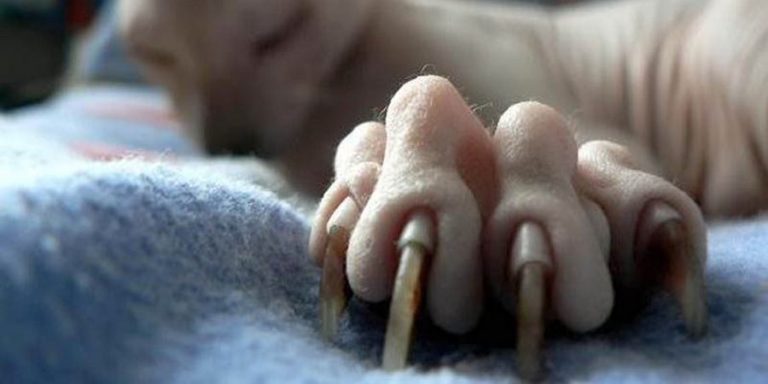
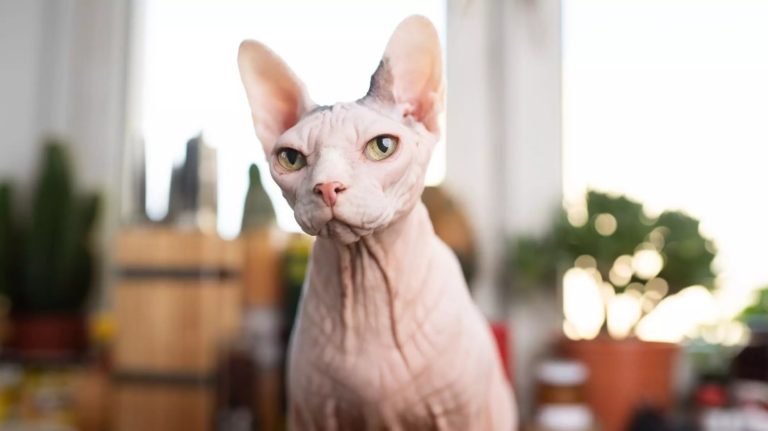
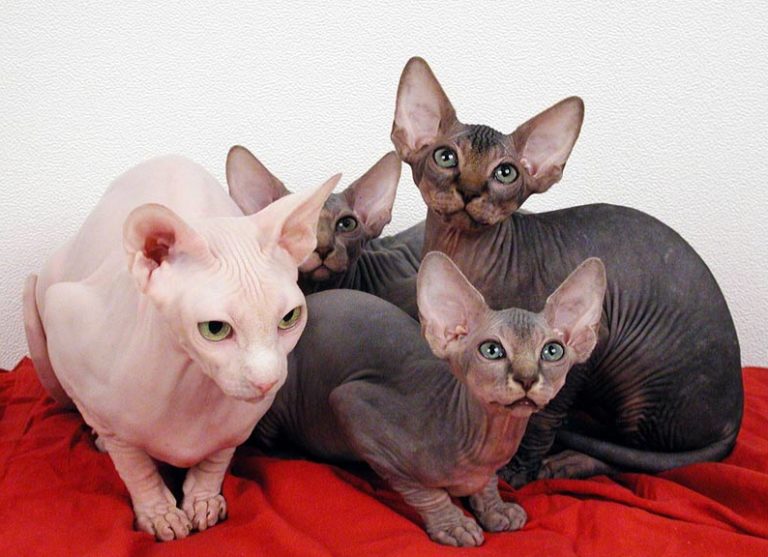
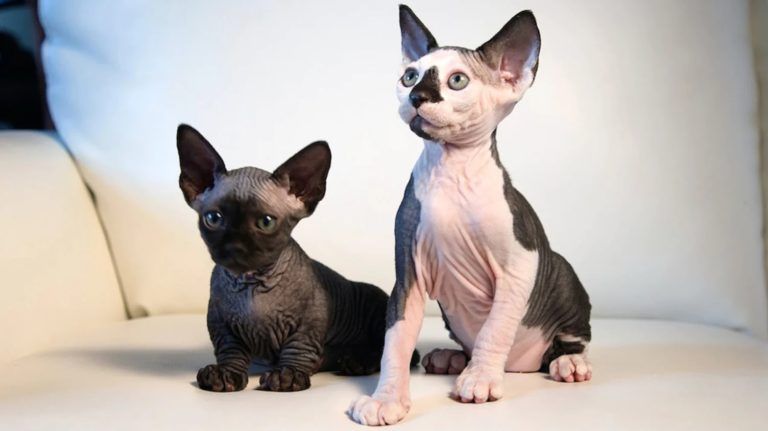
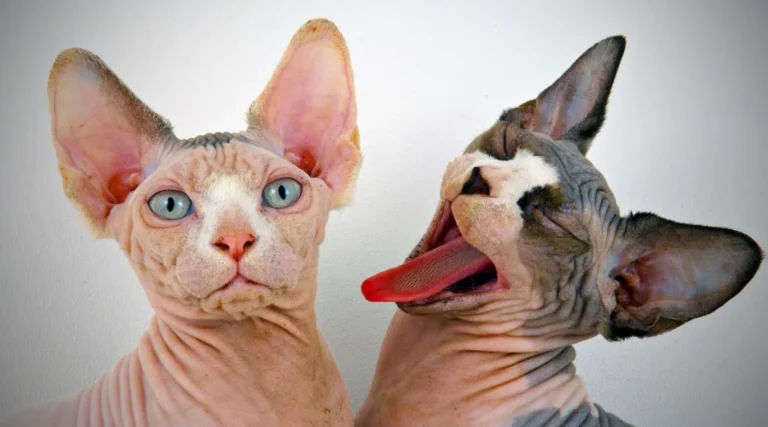
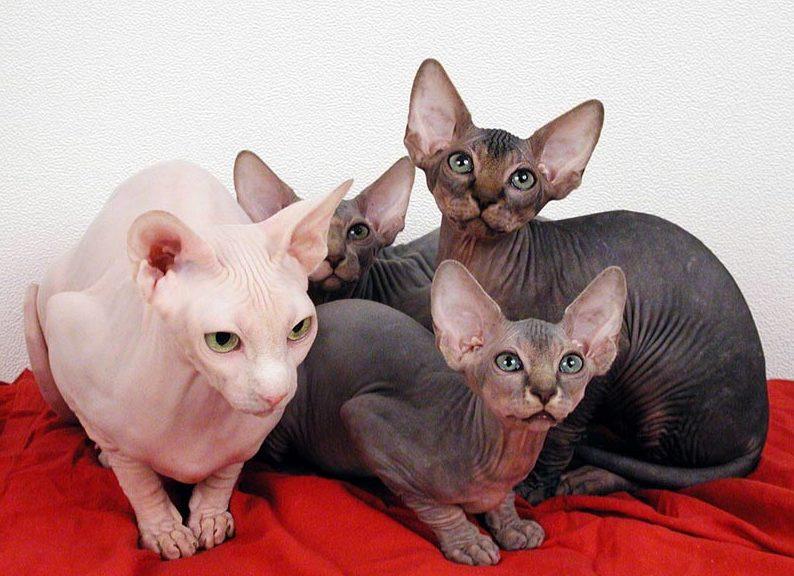
Sphynx cats may not have as thick a coat as other cat breeds, but they are not completely hairless! If you've ever handled this breed, you know it's a little like holding a wrinkled suede pillow. A soft, barely noticeable layer of fine fur covers this cat from head to tail. Additionally, the colors and patterns on their skin are often obvious and can give you an idea of what they might look like with fur.
They are ideal socialites.
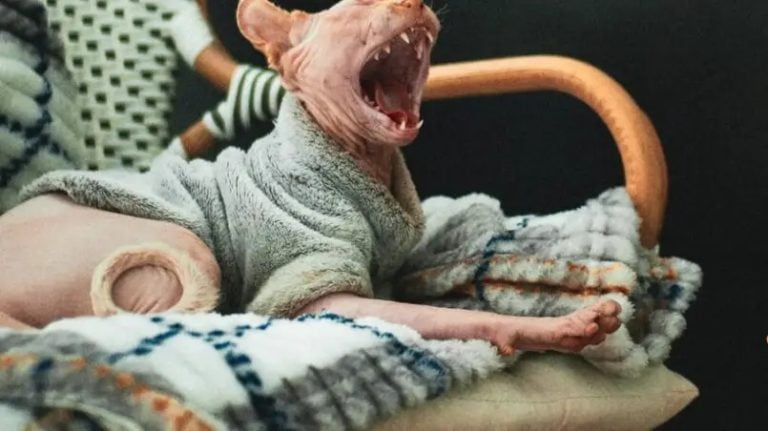
Friendships with other cats, friendly dogs and children are not only possible, but also very likely. Sphynx cats naturally enjoy company and can live peacefully with other animals. They are also more likely to want to be held or snuggled for warmth. (If you're especially thoughtful, give your Sphynx a few sweaters to wear when the house gets cold; he'll appreciate the extra layer and look more dapper than ever.)
Skin care is important!
This breed may not require brushing, but that doesn't mean you're completely free from the hassle of grooming. The Sphynx's soft skin can be sensitive and needs a moisturizing lotion. It is also recommended to apply a light layer of sunscreen to avoid burns from harsh sunlight if he likes to catch the sun's rays outside or on a windowsill. These high-maintenance kittens also require weekly baths to keep their skin from becoming too oily. If you find that your kitten has dermatological problems, be sure to take him to your veterinarian.
They come from Canada.
We can only imagine the shock when the first domestic hairless kitten was born in 1966 in Toronto, Canada. A naturally occurring recessive genetic mutation, this hairless feature was deliberately bred over the following years and the Sphynx breed was created.
Believe it or not, you can be allergic to them.
People often think that a hairless cat is the ideal pet for someone with allergies, and we can't blame them for making that assumption; however, Sphynx cats produce the allergenic protein "Fel d 1" in their saliva, which causes the typical itching and watering reactions of allergy sufferers. They are said to produce lower levels of this allergen than most felines, but you're better off getting a Russian Blue or Siberian cat if you really want to play it safe.
Owning a Sphynx may require a little extra care, but you will be rewarded with plenty of love and entertainment from your feline companion.