Do Sphynx cats have bad teeth? Causes of black teeth?
Sphynxes are a very rare breed, and there are many problems associated with this uniqueness. One such problem is their teeth and the dental problems that follow them. The Sphynx breed very often has problems with teeth and the general condition of the teeth.
Content
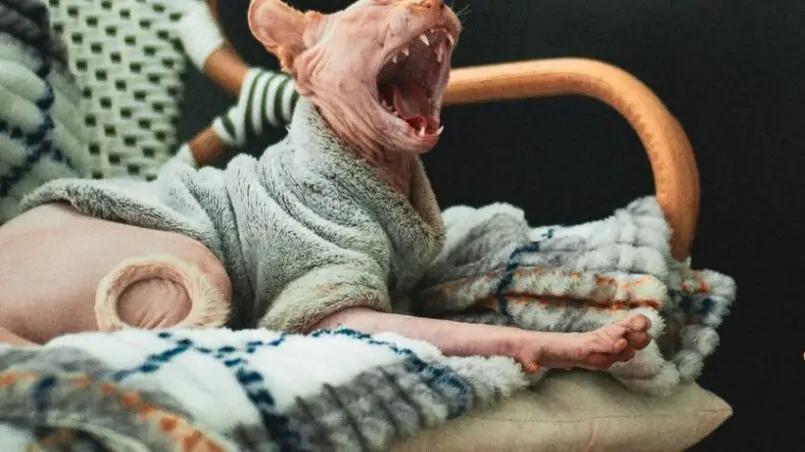
Sphynxes don't necessarily have bad teeth, but they are prone to dental problems. Due to their unique genetic make-up, their teeth tend to discolor, plaque builds up faster, and are at risk for other dental-related problems. Although not all Sphynx have dental problems, this trait is common to this breed.
I have heard and read many complaints from Sphynx owners about the teeth of their hairless cats. Some owners complain that their cat's teeth turn black, some complain of missing teeth, while others complain of excessive plaque and gum disease to the point of having them removed.
This is certainly a breed-specific issue that can be seen as a side effect of their hairlessness. While not a direct result of the mutated gene, it does play a negative role in dental health. While all cats experience dental problems, this breed is more at risk, so more care is needed to ensure healthy teeth and gums. This is one of the reasons Sphynxes are difficult to care for.
Why do Sphynx teeth turn black? Possible solutions.
Although it may seem strange, your Sphynx teeth may turn black or brown. This coloration may be the result of grooming, feeding, or tooth staining caused by a gene that makes them hairless.
We know that Sphynxes do not have hair, and sebum is not absorbed. This excess oil, along with dust, debris and sweat, forms a sticky greasy substance that gets into the teeth during grooming or breastfeeding. A black oily substance may cover the area of the front teeth, especially the canines, leaving a black coating. Over time, teeth can become discolored, giving them a black-brown appearance.
In addition, antibiotics, such as the use of tetracycline in young cats, can also cause teeth to turn black. After all, it is not uncommon for breeders to prescribe antibiotics to treat certain conditions.
The next possible cause of black teeth is caused by a discoloration, possibly genetic. This darkening of the teeth usually occurs at the bottom of the teeth away from the gum line. Although this does not pose a threat to the health of their teeth, it creates an unpleasant aesthetic effect. Usually Sphynx owners become worried and afraid when they notice this discoloration. Speak to your nearest veterinarian for further treatment and dental care if you feel the problem is getting worse.
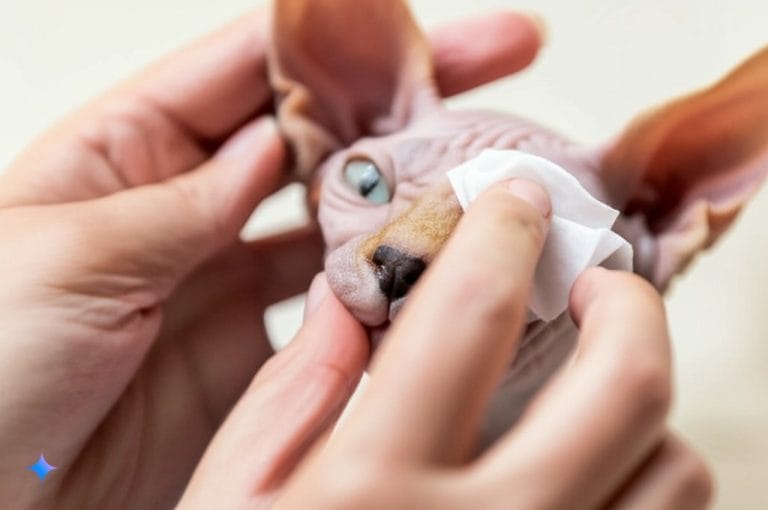
In most cases, proper hygiene can remove greasy residue covering the teeth. To remove any oily substance, you can use dental wipes, a brush, or a soft cloth.
If cleaning products don't work. These can be stains on the teeth, a good enzymatic whitening toothpaste can help.
If your Sphynx teeth are darkening and deteriorating despite your efforts to keep their teeth clean, the problem may be genetic and you may want to consult your veterinarian for more information.
Are Sphynx cats also prone to other dental problems?
Excessive plaque formation
As with all cats, plaque buildup is a common problem. Sphynx cats are more likely to develop plaque. This is because they have a high metabolism, due to which they are very often hungry and consume more food.
The more often you eat food, the more likely it is that plaque builds up due to food particles getting stuck on your teeth and bacterial growth. As we know, plaque buildup is the start of gum disease, which can lead to tooth loss if left untreated.
Another possible cause of increased plaque formation could be an increased amount of microbes in the cat's mouth. Since Sphynxes are hairless, germs and bacteria settle on their skin and then enter their mouths during grooming.
This increase in bacteria only causes an increased chance of plaque and tartar buildup, which can cause dental disease.
Gingivitis
Gingivitis is a gum disease that is quite common in cats. It is caused by plaque buildup and poor oral hygiene. The gums react with irritation and inflammation, causing swelling and redness.
Gingivitis is usually mild and treatable, but this is a signal to begin to follow the rules of hygiene.
Sphynx tooth loss
Tooth loss is also another dental problem that Sphynxes face. As I mentioned earlier, many Sphynx owners complain about missing teeth. While it is normal for young Sphynxes under 6 months of age to lose their milk teeth in order to grow in permanent teeth. Some older sphinxes and adults are missing teeth.
This may be due to the extraction of teeth. In this case, the teeth are infected and diseased to such an extent that extraction is the only option.
In extreme cases, teeth decay and become brittle. In which pieces fall out, the teeth eventually fall out, causing pain and discomfort.
Sphinx and bad breath
Sphynx cats usually have a slight breath odour, but when the smell becomes unbearable and unpleasant, it must be checked. In most cases, bad breath indicates an infection or mouth ulcers.
This must be treated immediately to fight the infection, as it can cause pain and discomfort. Usually a course of antibiotics fights any infection.
Bad breath can also be a sign of poor oral health. Over time, this can negatively impact the health of your cat's teeth as they become susceptible to cavities and bacterial growth that can permanently damage healthy teeth.
Ways to keep your Sphynx's teeth clean
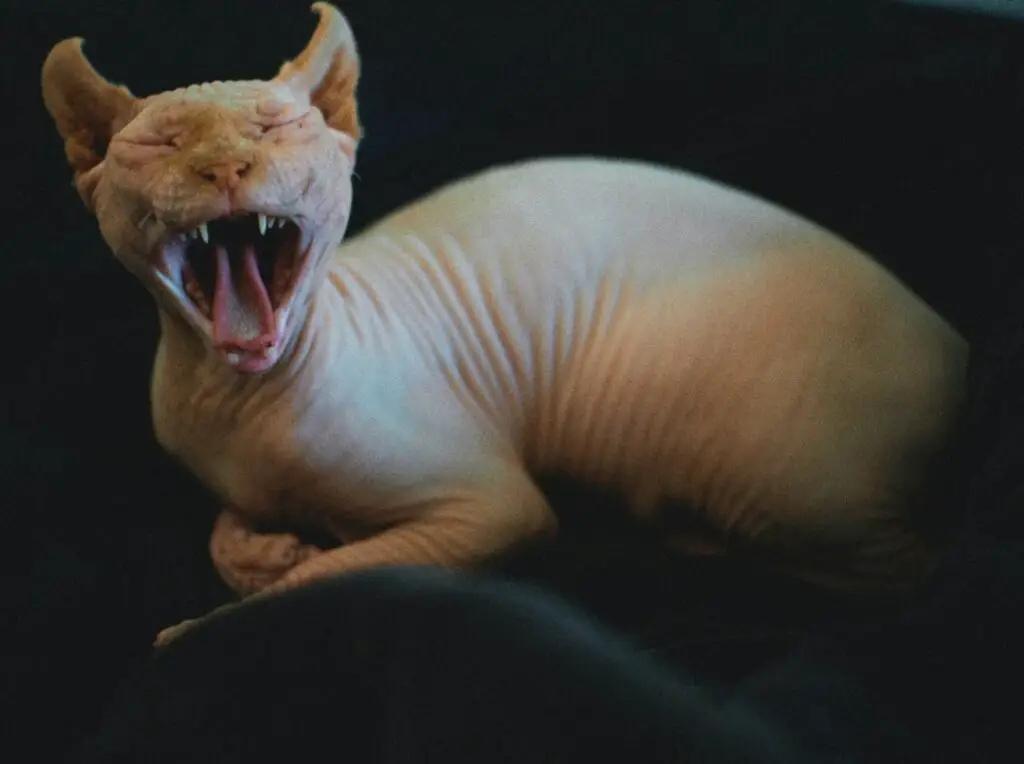
To keep the teeth of the Sphynx, you need to properly care for them. Almost every dental disease and problem is caused by poor hygiene, and in order to combat this, you need to be consistent and follow the rules of oral care.
Dental problems are always better prevented than treated. For this reason, oral hygiene must be practiced from an early age in order for the Sphynx to become accustomed to the prescribed brushing procedure.
Here are some ways to keep your gums and teeth healthy.
Teeth cleaning
Regular cleaning is a MUST. Brushing your teeth is a simple hygiene requirement that can be underestimated and ignored. This is an effective way to remove food particles, plaque and black grease that may have been ingested during grooming.
It is preferable that you start brushing your teeth at an early age so that the cat gets used to it. Older cats may find it difficult to get them to remain still during brushing, but they will get used to it over time.
It is best to use the right brushes and enzymatic toothpaste that is harmless to cats.
Dental checkups and cleaning
Dental check-ups are essential for early diagnosis of teeth, cleaning and maintaining optimal dental health. Veterinarians recommend having a dental check-up at least once a year to keep your teeth healthy and to diagnose gum and dental disease early.
Ideally, two checkups a year would be great, especially if the cat already has bad teeth. However, this often depends on how well your cat adheres to the oral regimen.
Basically, it all comes down to how you take care of your cat's teeth. Good oral habits from the start will save you a lot of money on dental services.
Toys and Chews
Dental treats are a great way to clean your feline's teeth, especially for cats that aren't used to brushing their teeth. These treats have a texture that helps clean teeth while chewing. The chewing movements as the cat bites on these pieces gently clean the teeth of plaque and any deposits.
Toys and chewy treats, or even bones, are great for brushing your teeth. Domestic cats are usually kept indoors and are not exposed to wildlife lurking outdoors. They don't hunt for their food, and they don't need to protect themselves.
These toys can help stimulate their predatory instincts in the process, helping to keep their teeth clean. Make sure you have soft, chewy toys, as hard and hard toys can hurt them.
Fresh water and dental supplements
Water is very important for proper dental health. Water may be ignored, but this simple step can help prevent dental problems. Drinking water can help clean out your cat's mouth, removing food debris that may have been hidden in hard-to-reach places.
Another great life hack is to add dental supplements into the water for the sphinx. This option is simple, convenient, and works well as part of a dental procedure. These supplements contain enzymes that help destroy bacteria that cause tartar.
This product is well suited for cats that are not used to brushing their teeth and it is not difficult.
Tooth wipes
Dental wipes are regular wipes that are safe for internal use. These wipes contain active ingredients that help fight disease-causing bacteria. This is a good option for cats that still need to get used to the oral regimen.
How to brush the teeth of a Sphynx cat? Featured Products
Brushing your teeth is still the classic way to brush your teeth, however with cats, especially Sphynx cats, this task can be very difficult as these cats are very active and won't sit still. At first, it will be almost impossible to try to brush the Sphynx's teeth, but after a while they will be a little easier.
Cleaning should be done at least once a week, preferably twice. Below are a few guidelines to follow when cleaning.
- Catch the cat at the right moment. Their mood plays a big role in how they react and whether they give you a chance to get the job done. Most owners brush their teeth while bathing, as water can distract them from their activities.
- Take a good brush, the size of which is proportional to the cat's mouth. Some pet brushes are too big and uncomfortable for them, choose one that is comfortable.
- With everything ready, dip your fingers in tuna water or liquid cat food. This will draw them to you as they will lick your fingers. This will be a great way to distract them enough to brush their teeth.
- Gently rub the toothpaste on your gums, diverting your attention. Using a small toothbrush, apply some toothpaste to the brush and gently brush your teeth.
- Start on one side and move to the other side. Be sure to lift the lip on both sides to expose the teeth underneath.
- Be gentle and patient and allow for a thorough cleaning. If the cat becomes restless and resists, give her some time to calm down, or you can give her her favorite toy or something to bite on.
- With constant brushing, the cat will get used to it and the process will be easier. Some cats, however, will refuse despite your best efforts, in which case you may want to choose a less stressful brushing method.