Sphinx care and claws care: important trifles for the health of your pet
Sphinx cats, possessing an exotic appearance and affectionate character, require special attention to some aspects of care. Due to the lack of wool, their ears ...
Content
Obloke care: prevent pollution and infections
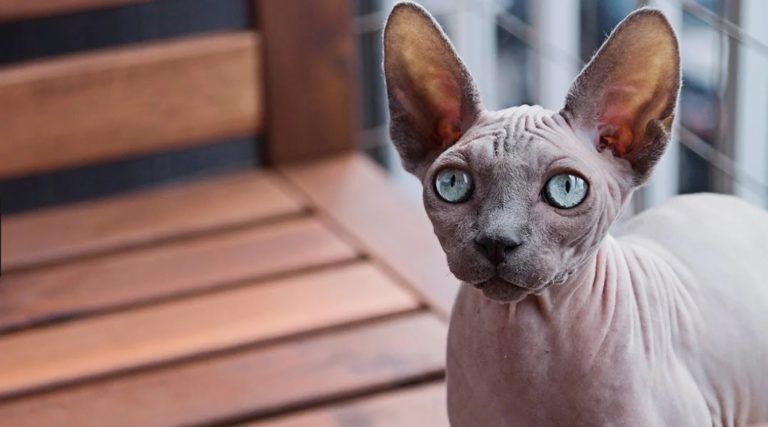
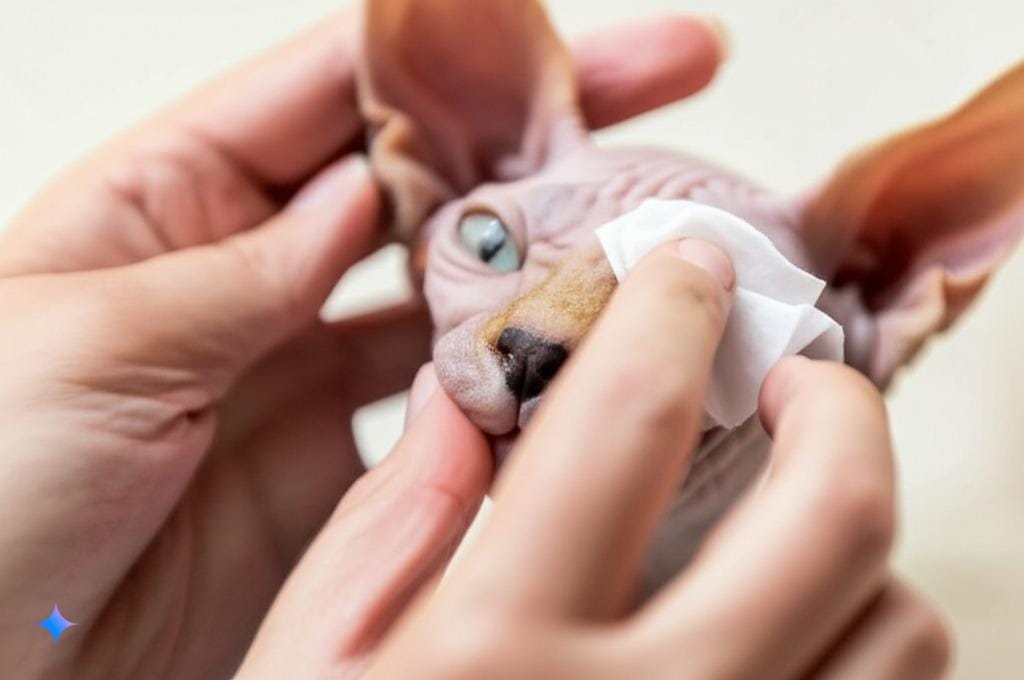
The sphinxes have no wool in the ear shells, which usually retains dirt and dust. Therefore, they can accumulate more ear sulfur, dust and skin fat. Regular cleaning of the ears will help prevent discomfort, inflammation and infection.
What do you need:
- Special lotion for cleaning the ears of cats:It can be purchased at a veterinary pharmacy or pet store.
- Cotton wheels or soft -bearing napkins:In no case do not use cotton sticks, since it is easy to damage the auditory passage!
- Delicacy:To encourage the cat after the procedure.
Step 1: Preparation
Choose a calm time when your cat is relaxed. Take her in your arms and calm her with gentle words. Show her a lotion and a cotton pad so that she is used to smell and appearance.
Step 2: Cleaning the outer part of the ear
Moisten a cotton pad with a small amount of lotion. Gently wipe the inner surface of the auricle, removing visible pollution. Move from the base of the ear to the edge. Use a new clean disc for each ear.
Step 3: Cleaning the auditory passage (superficially)
If you see pollution deeper in the auditory aisle, drop a small amount of the lotion directly into the ear (according to the instructions for the lotion). Softly massage the base of the ear for a few seconds. Then let the cat shake your head. After that, carefully wipe the visible part of the auditory passage with a clean cotton pad, removing the released dirt.Never penetrate with cotton sticks deep into the auditory passage!
How often to clean your ears?
It is recommended to inspect the ears of the sphinx 1-2 times a week and clean them as necessary, usually once every 1-2 weeks. If you notice abundant discharge, an unpleasant odor, redness, or if a cat shakes your head and scratches your ears, be sure to contact a veterinarian.
Class care: prevent scratches and growing
Regular cutting of the claws will not only protect your furniture from scratches, but also prevent the clamps of claws in the paws of the paws, which can be painful and lead to infection.
What do you need:
- COGMOLE for cats:There are two main types: guillotine and scissors. Choose the one that is more convenient for you.
- Hemostatic agent (for example, powder):Just in case you accidentally touch a blood vessel (the “live” part of the claw).
- Delicacy: For encouragement.
Step 1: Preparation
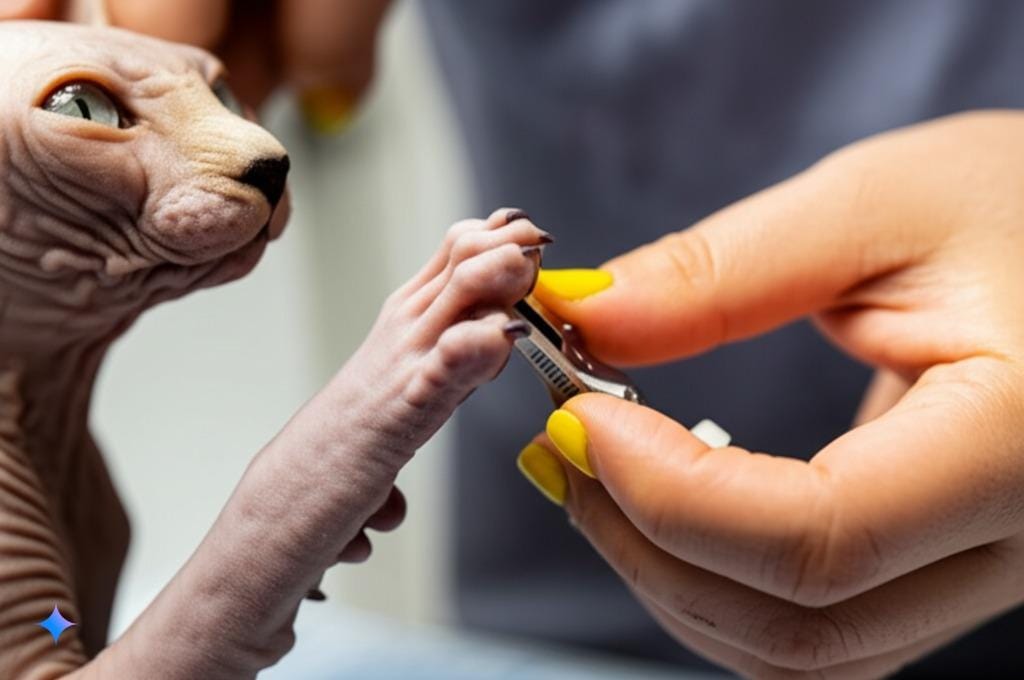
Accustom the kitten to the procedure for cutting the claws from an early age. Take his paws in your hands, slightly press on the pads to release the claws. Encourage calm behavior with a treat.
Step 2: Cutting claws
Take your cat's paw and press lightly on the pad to release the claw. Identify the “live” part of the claw - in most cats it is pink and contains blood vessels and nerve endings. Cut off only the transparent tip of the claw, located in front of the “live” part. Hold the nail clipper perpendicular to the direction of the nail.
Step 3: Completion
Trim the nails on all toes of the front and hind feet (usually 5 on the front and 4 on the back). If you accidentally hit the “live” part of the claw and start bleeding, don’t panic. Quickly sprinkle the bleeding area with styptic powder. Praise your cat and give her a treat.
How often to cut your claws?
On average, the claws of the sphinx need to be trimmed every 2-3 weeks. Inspect your claws regularly and do it as necessary.
Additional tips:
- Do the procedures for care for the ears and claws in a calm atmosphere when the cat is relaxed.
- Be gentle and patient. If the cat resists, do not insist. Try to do the procedure later.
- Regularity is the key to success. The more often you carry out these procedures, the faster your cat will get used to them.
- If you are not confident in your abilities, seek help from a veterinarian or gloram.
Caring for the ears and claws of your Sphinx is an important part of maintaining his health and well -being. Following these simple recommendations, you will provide your pet with a comfortable and happy life.