Causes of hair loss in cats
Have you ever noticed that your cat has bald spots? You might think that this is a natural process and that every cat sheds hair at certain times of the year at some point in their lives. But if your cat does not belong to the sphinx breed Hair loss is usually a sign of an underlying problem.
WHAT IS HAIR LOSS IN CATS
Hair loss in cats, also known as alopecia, is the complete or partial loss of hair in cats. Veterinarians suggest that the most common cause of alopecia is skin allergies.
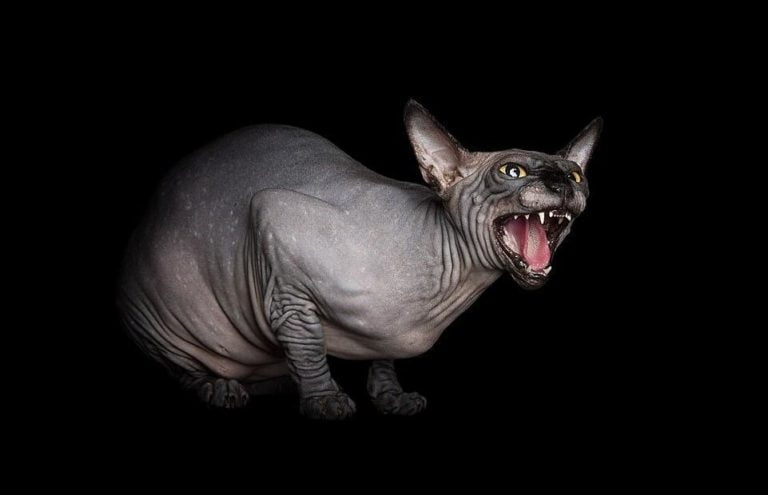
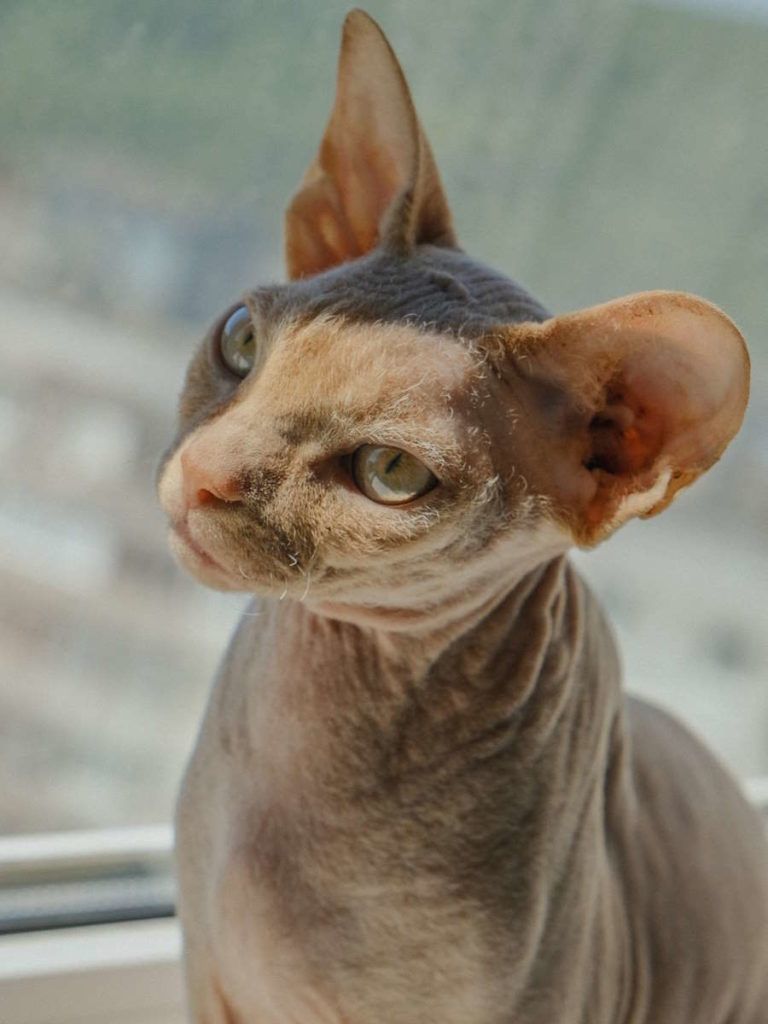
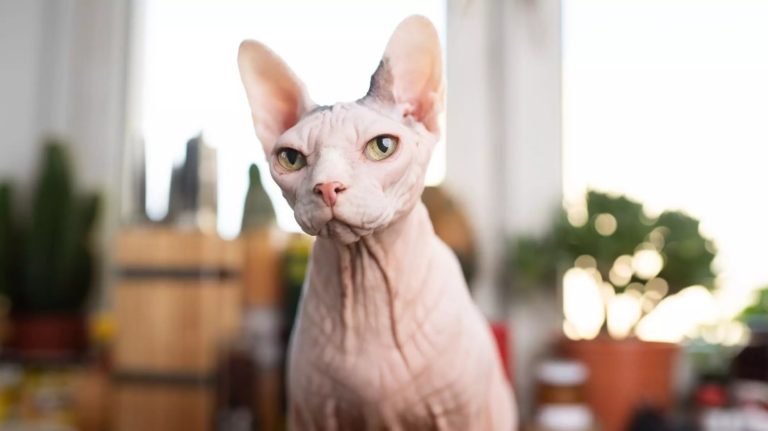
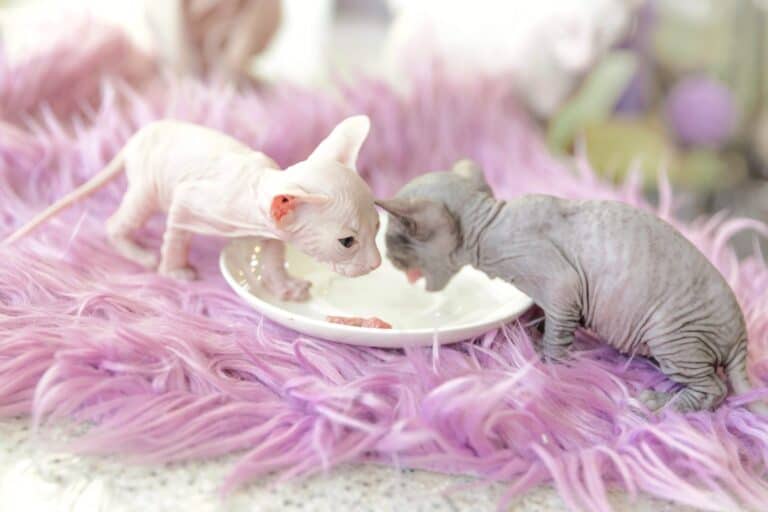
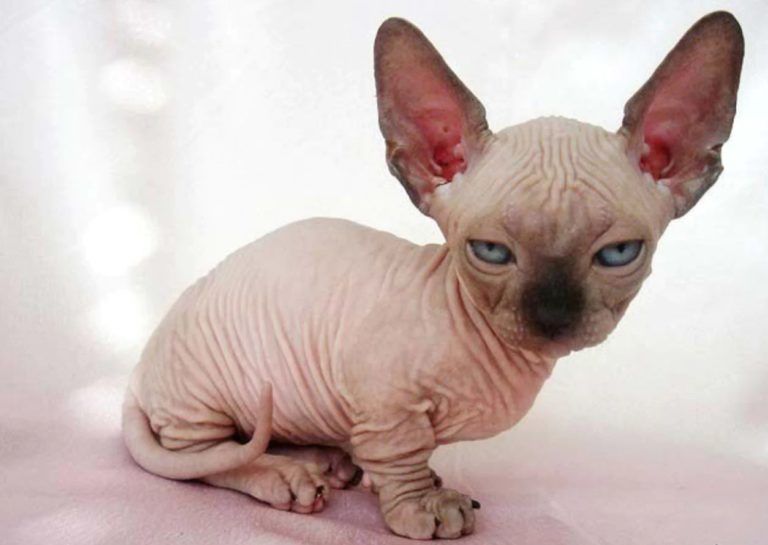
There are several types of alopecia. Some cats have hereditary alopecia, which means they will never grow hair and never have body hair like Sphynx cats. Another type of alopecia is pinnal alopecia. It is commonly known to develop outside the auricles. Alopecia areata is very common in Siamese cats and usually resolves with time. Another type of alopecia is thinning of the hair between the ears and eyes. This type is known as preauricular alopecia and is normal in every cat.
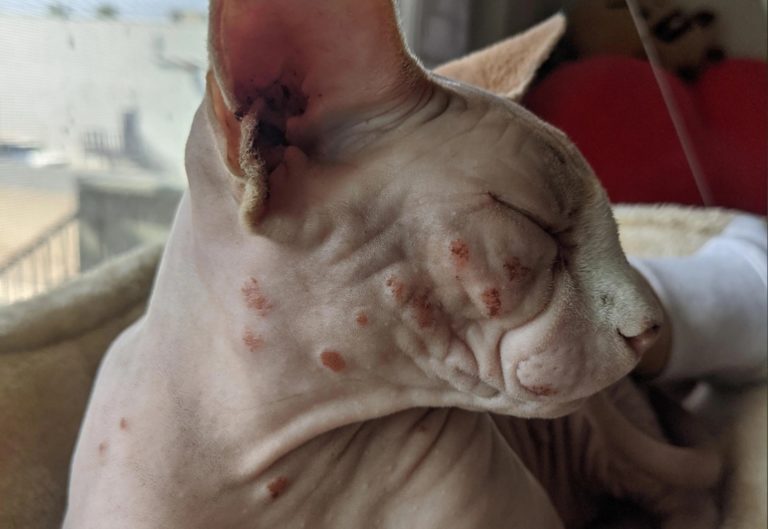
The skin surrounding the area of hair loss may appear normal or have redness, bumps, scabs, and skin shedding. Alopecia may appear in a symmetrical pattern or in random areas of the cat's skin.
Cats that do not have any of the above types of alopecia usually have acquired alopecia. Acquired alopecia is not a disease in itself, as a cat is not born with it. This is often caused by external factors such as those listed below.
CAUSES
Allergies, fleas and itching
Pets usually become infected with fleas at some point. However, there are some cats that are severely allergic to antigens in flea saliva. This can make them terribly itchy, and many cats lick their fur in an attempt to relieve the itching. Excessive licking can lead to bald spots.
Nervous breakdown
A cat may also overgroom itself if it is suffering from neuropathic pain. In addition, anxiety and stress can cause hair loss.
Pain
When a cat is in pain, she licks the affected area excessively to get rid of the discomfort. Excessive licking can pull out hair and cause it to fall out.
Infections.
Some cats that develop an infection in a particular area have a tendency to shed their hair in that area. Infections such as ringworm and fungal infections can lead to hair loss in a cat.
Hormonal imbalance
Often, if a cat has a hormonal imbalance or high steroid levels, she may experience hair loss. With abnormal hormone levels, hair follicles tend to die and hair may no longer grow.
Cancer
Neoplasia, a form of cancer, can also cause hair loss in cats. This type of cancer is rare; however, if you think your cat is suffering from it, contact your veterinarian.
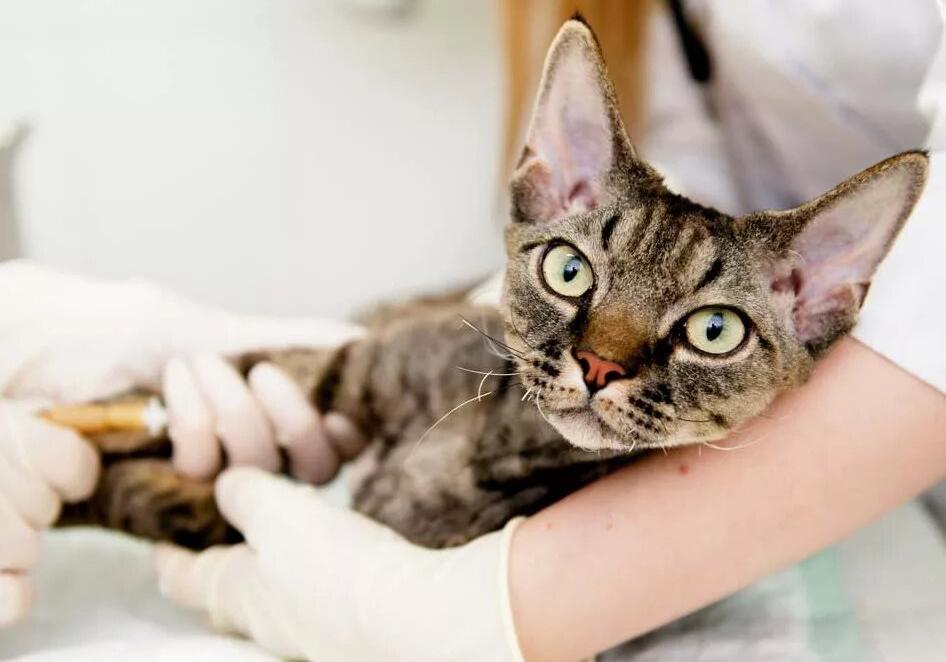
If alopecia is caused by a skin condition (such as skin erosions), a thyroid imbalance, or another hormonal imbalance, there are medications and topical treatments available. If hair loss is related to a behavioral problem, modifying treatments can be taught to reduce the problem. Contact your veterinarian to find out what options your cat may have!