8 Sphynx Facts You Didn't Know About
While Sphynx may not be to everyone's taste, these hairless cats have undoubtedly dominated the internet in the last few years! With their big...
Content
They are from cold climates!
Surprisingly, one breed of Sphynx actually originated from the land of ice and snow! You might think that they are better prepared for cold climates, like Maine Coons. But the ancestors of the modern Canadian Sphynx fell short of expectations from the 1960s, when a cat from Ontario gave birth to a hairless kitten, and again in the mid-70s, when two separate groups of hairless kittens were born in Toronto and Minnesota. Hairless kittens were born without fur due to a genetic mutation.
Cat breeders in North America and Europe have bred Sphynxes to normal coated cats and back to hairless cats for over thirty years. The goal of this selective breeding was to create a genetically healthy cat with a large gene pool and hybrid vigor.

They are not completely hairless.
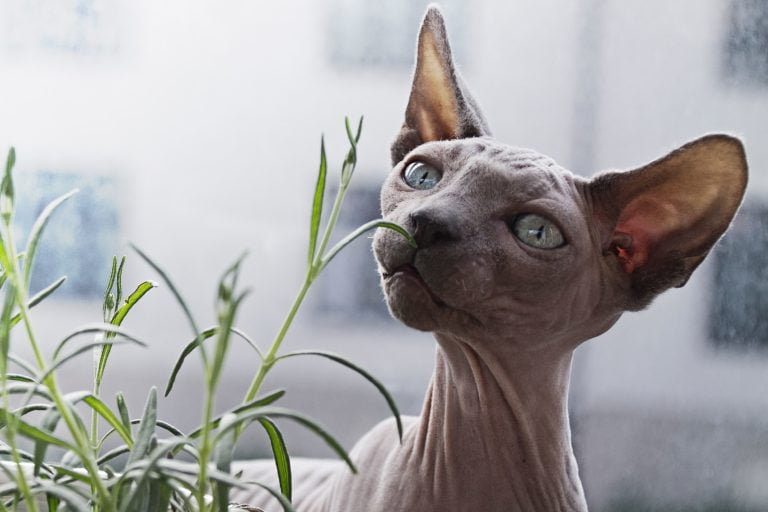
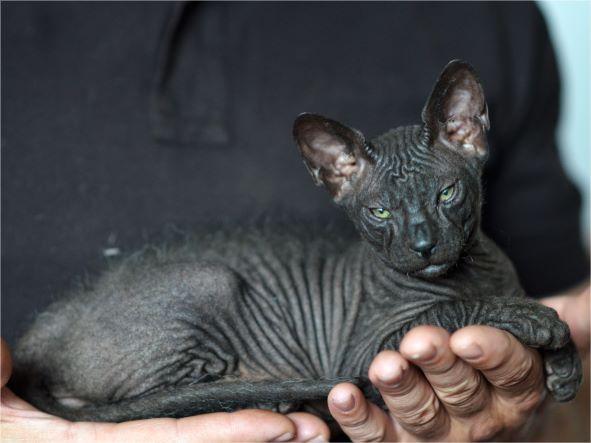
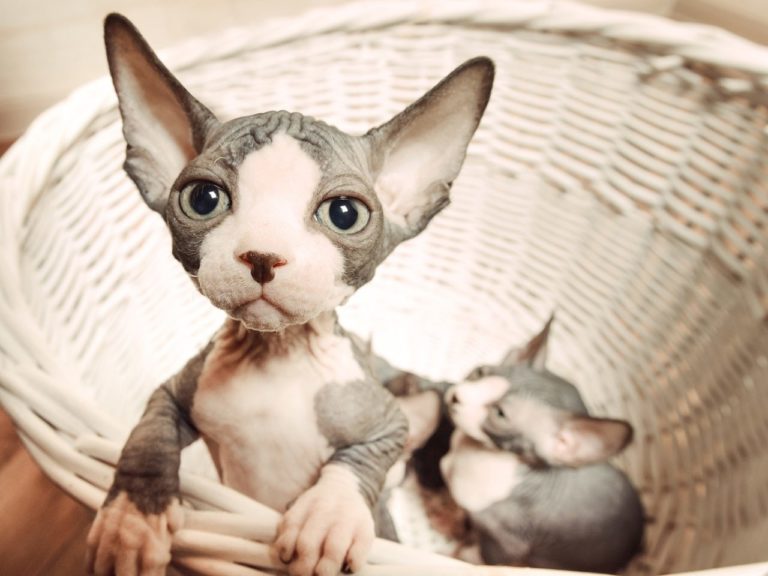
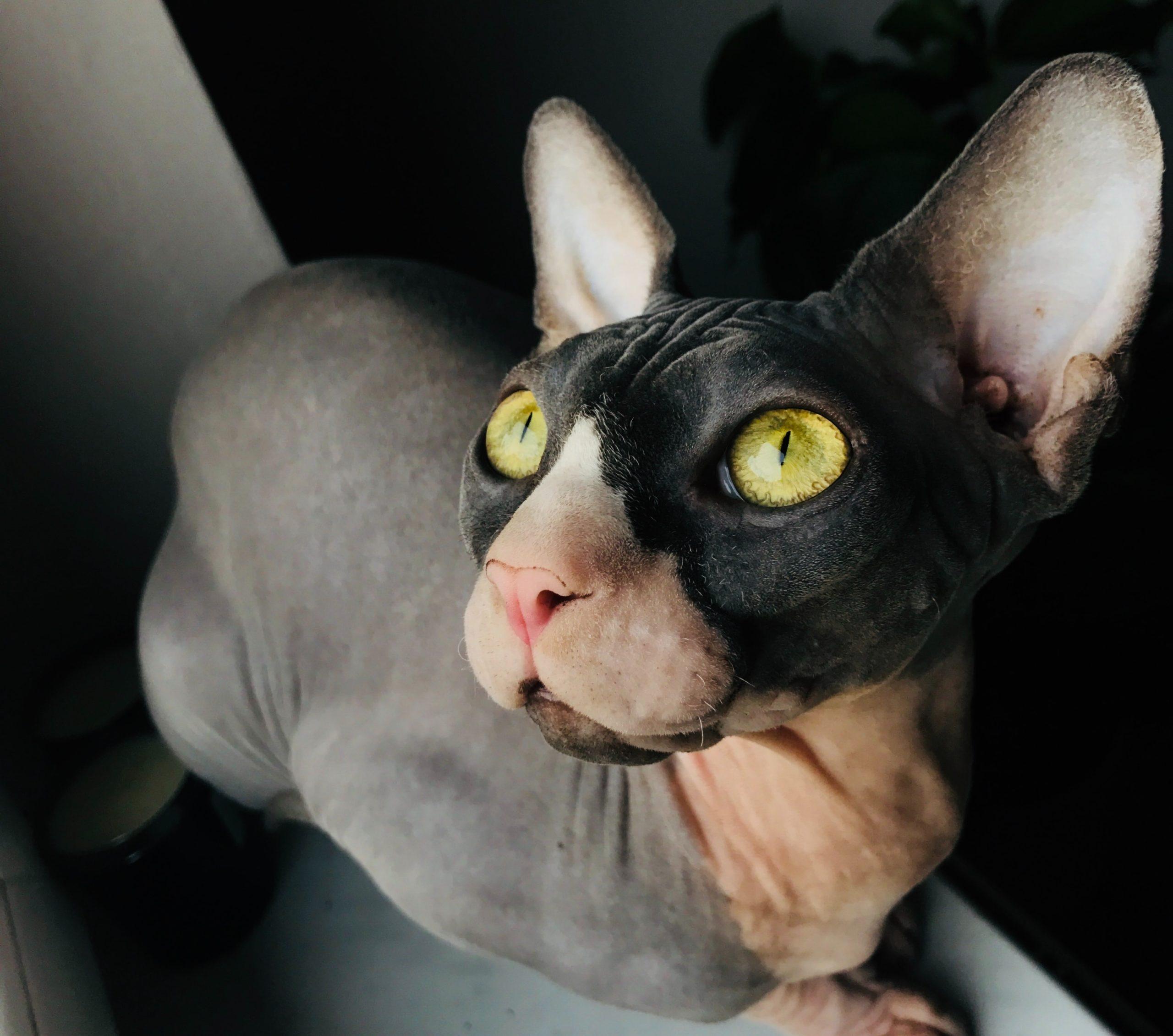
The main feature of sphinxes is the absence of a fur coat! However, cats are not completely hairless, but are covered in fine, fluffy hair that is said to look like the skin of a peach. While not as plush and fluffy as their full-haired counterparts, Sphynx are soft and feel almost like suede.
They are also not hypoallergenic.
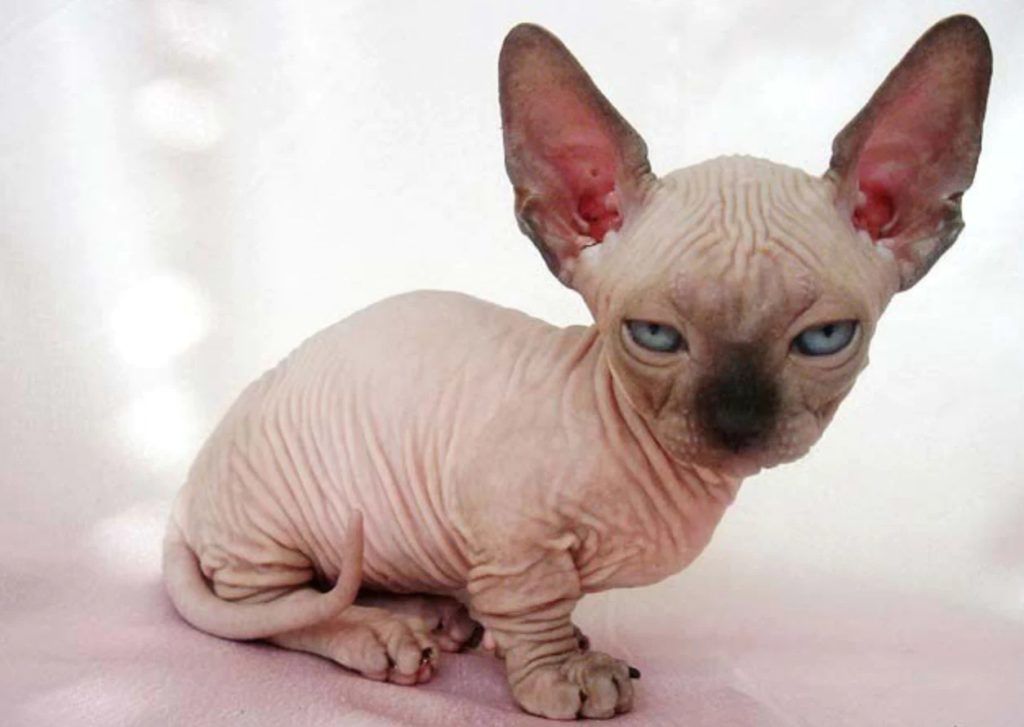
Although some people believe that hairless cats are hypoallergenic due to their lack of hair, this is not true! Sphynxes still produce the Fel d1 protein, which is an allergen found in cat saliva and dander that causes an allergic reaction.
They come in different colors and patterns.
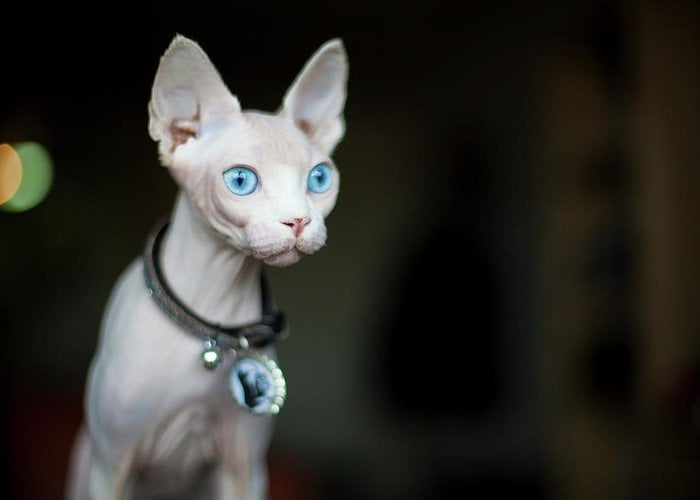
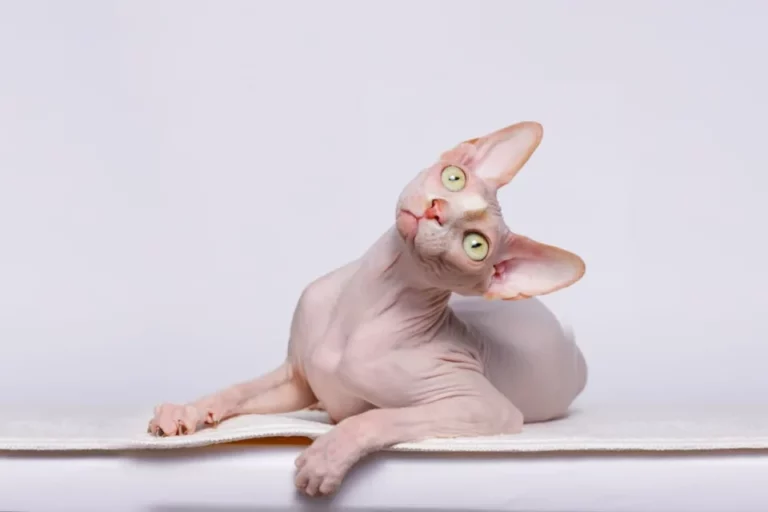
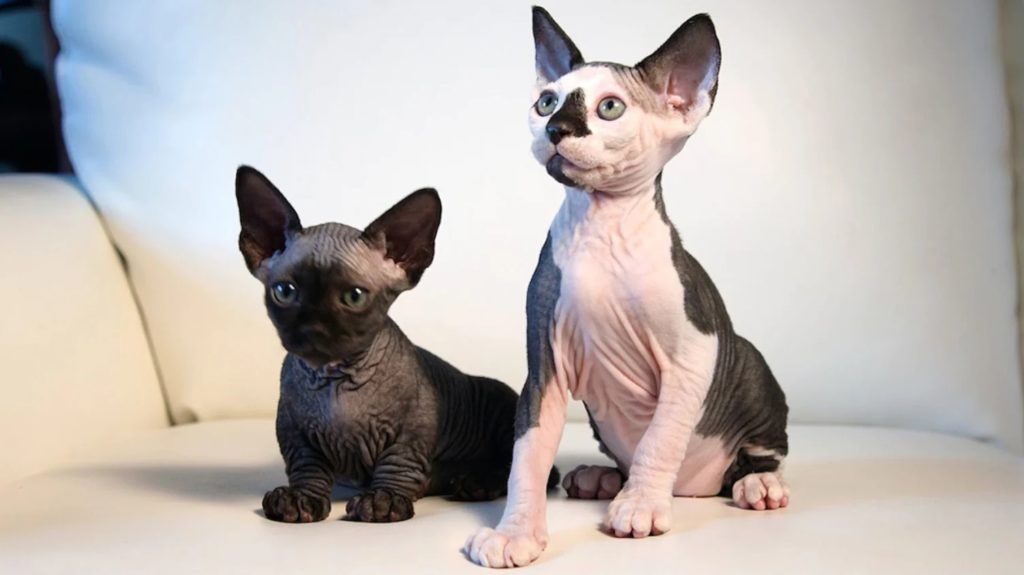
Perhaps the first thing you think of when you hear "hairless cat" is PINK. But in reality, Sphynxes come in a variety of colors and patterns, from striped to spotted and tortoiseshell!
They get very hot.
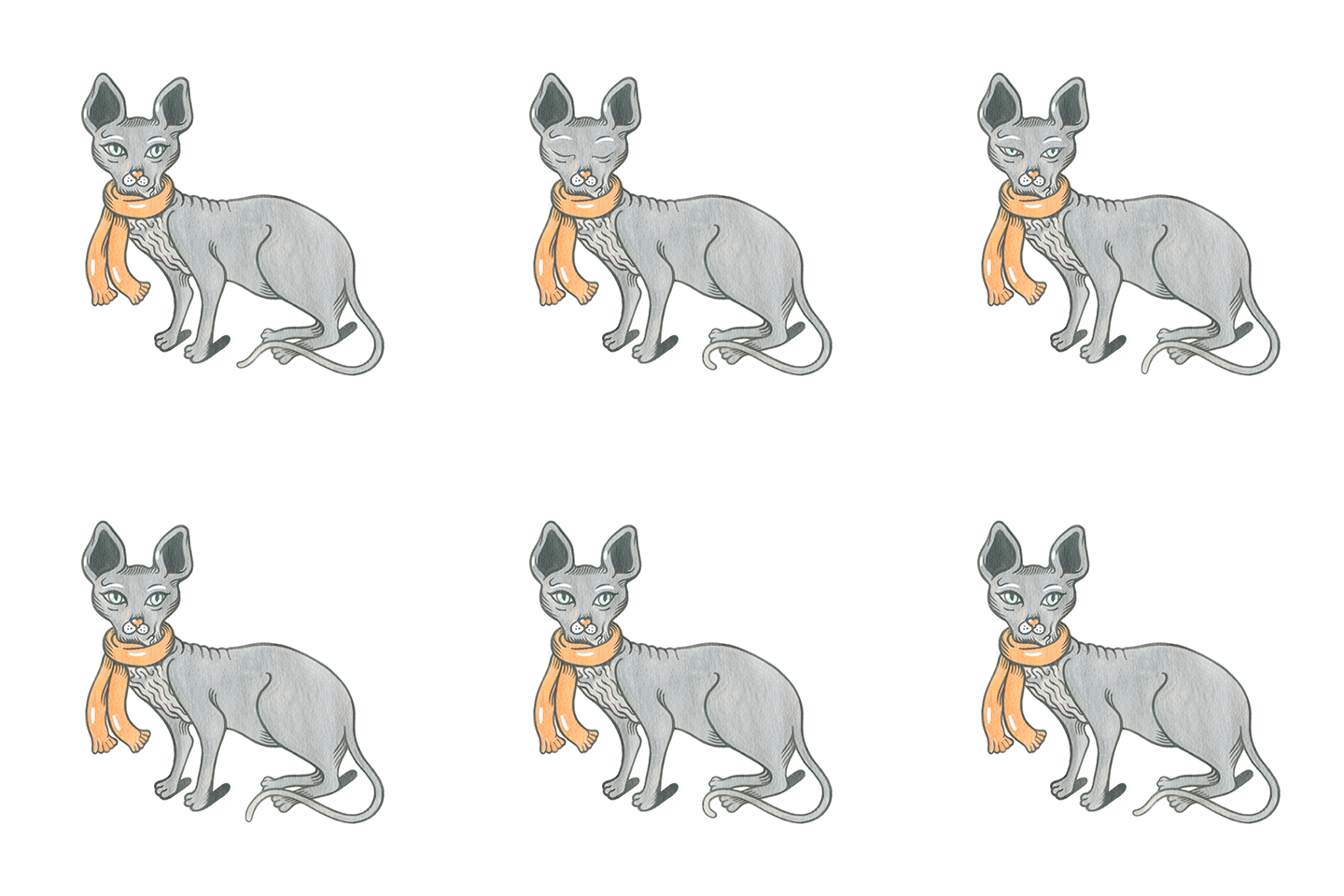
Interestingly, sphinxes are hotter than any other cats. That is, on average, their body temperature is about four degrees higher than that of other breeds of cats. However, due to their lack of insulated fur and their inability to retain their body heat, they are prone to catching cold! Make sure your Sphynx is warm and cozy; cat sweaters are perfect.
They can get sunburn.
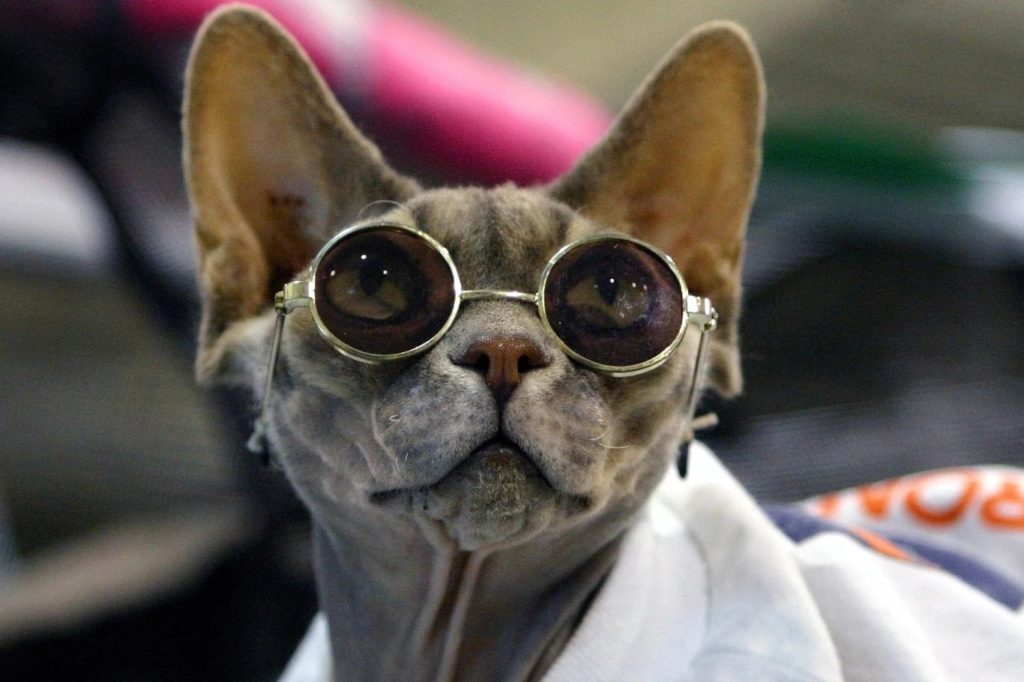
Due to their lack of pigmentation and fur, Sphynxes are more likely to get sunburn than other cats (but even fur cats can get sunburn on their ears and nose). If you plan to take your Sphynx outdoors, be sure to keep it well covered in the sun.
They are not as easy to maintain as they seem.
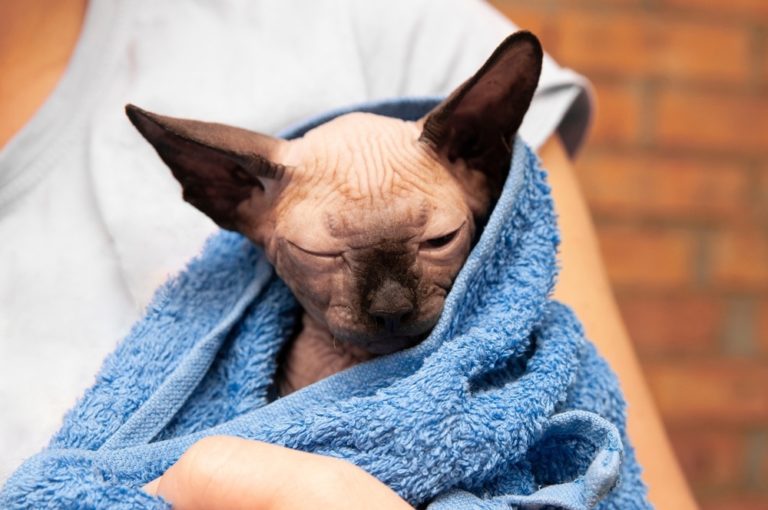
You might think that since the Sphynx doesn't have a long, fluffy coat, the need for grooming is minimal. But in fact, these hairless felines need frequent bathing. They still secrete the oil that normally keeps the cat's coat smooth and silky. But Sphynx cats can feel a little fatter than usual, so they need more frequent bathing. Their ears also require frequent cleaning because they don't have hair to block out dirt and debris.
They are good eaters.
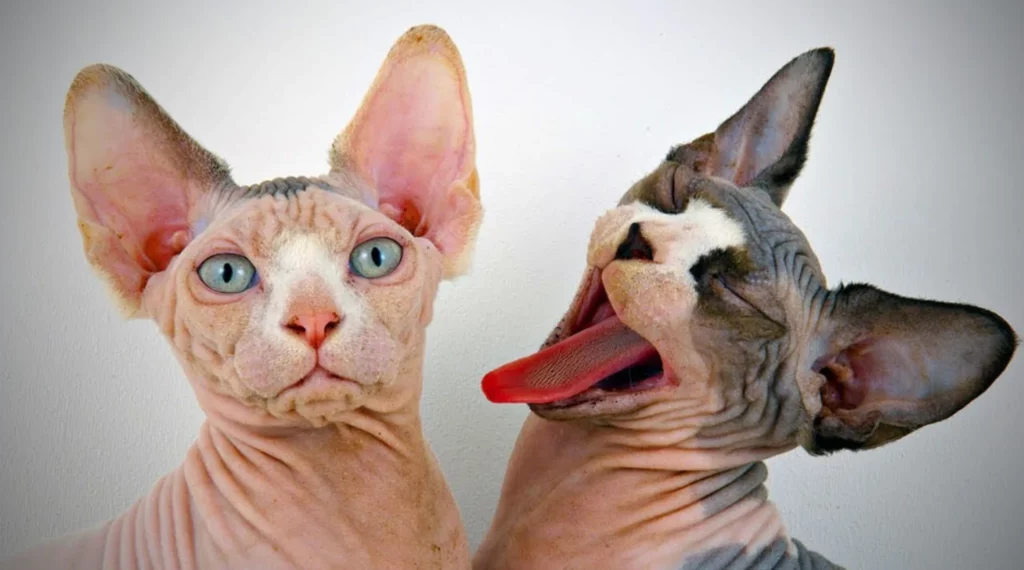
Lacking a fur coat to insulate and regulate body temperature, Sphynx cats have developed a fast metabolism to help keep them warm. Because of this, they need more food than a normal kitten, and some veterinarians may recommend a special diet to keep Sphynxes well fed and in good shape.