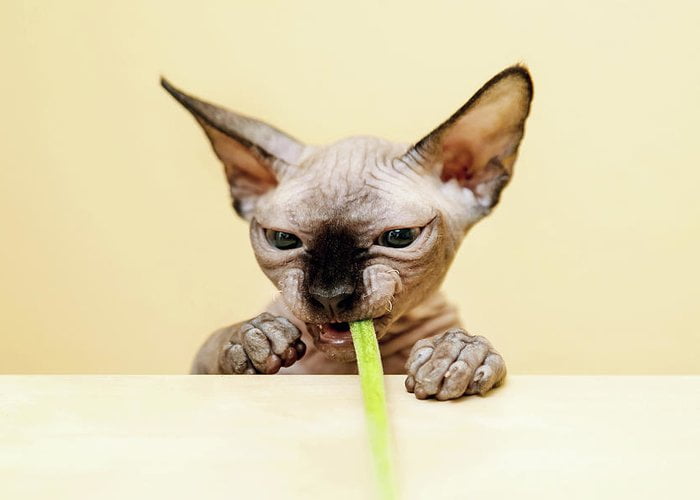
How does catnip affect cats?
Catnip (Nepeta cataria) is a perennial plant of the mint genus of the lily family with small pale flowers collected in spike-shaped inflorescences. How…
Content
Catnip most likely originated in Eastern Europe, but has been grown for centuries in other European countries. In the 18th century, colonists also brought it to North America. Today the plant is relatively widespread and cultivated in Eurasia and North America. In Latvia, catnip is found very rarely in the wild - single plants or small groups along the sides of roads and railways, in places overgrown with weeds. In our country it is a cultural refugee - in the past it was grown as a crop, but gradually it also went into the wild. Blooms from late June to August.
Unlike how this mint affects cats, it improves sleep, relaxes and calms people.
Catnip got its name from its special ability to attract and intoxicate cats, but it has been used by people in different ways since ancient times for completely different purposes. Before true tea tree leaves were introduced from the east, catnip was widely used in tea. Medicinal herbal tea was also prepared from the leaves. Catnip helps with colds, sore throat, bronchitis and asthma. It relieves cramps, so it can be used for colic, stomach cramps or menstrual cramps. In folk medicine, it was once used even in the treatment of cancer.
Catnip is also used in cooking. In France, the leaves and shoots of this plant are traditionally used as a spice. Fresh leaves can be added to salads, dried leaves can be added to soups and when preparing meat dishes. The plant can also be used to produce a light yellow dye for dyeing wool and other fabrics. Currently, catnip is widely cultivated in the world as an ornamental plant used for various landscaping.
Chemical analysis of leaves and inflorescences revealed that the plant contains a lot of essential oils, acids, tannins, and sterols. The list of specific chemical compounds includes, for example, thymol, valeric acid, nepetalactone and others.
One study also concluded that rats do not like catnip, and they will not eat the plant even if they are starving.
What slows a cat down?
In a scientific sense, we still haven't fully figured out why catnip actually attracts cats, or rather, more than half of the felines, including lions, leopards, pumas and other wild felines. It is also unclear exactly what feelings it evokes in the cat and what behavior it encourages. There are various observations, possible explanations and conclusions. Those cats affected by catnip, chewing the leaves or flowers of this plant and inhaling its aroma, appear content, happy, excited, sometimes playful, but not aggressive.
Possible cat reactions:
- hissing, chewing this plant, salivating, fussing where the mint grows;
- shakes his head;
- at the gate, rolling on the ground, rubbing himself;
- loses coordination, falls and stumbles;
- kicks with both hind legs, as if wanting to jump away, fight with someone;
- in the mood for hunting - wants to catch something, chase.
The researchers concluded that it is likely that catnip awakens and enhances the cat's basic instincts, such as food (an instinctive physical desire to eat something can be indicated by chewing and salivating on the plant), predatory nature (indicated by a willingness to hunt, to catch something, it is also known that cats tend to use strong blows with their hind legs in fights) and sexual arousal (rolling over). Catnip appears to irritate the cat's brain, particularly areas associated with the hypothalamus (the areas involved in feeding, predatory and sexual behavior), explains one of the world's leading animal behavior experts, Professor Nicholas Dodman.
Scientists have shown that nepetalactone, one of the volatile compounds found in catnip, has the same molecular form as opium, stimulates the same receptors, and causes a similar response to opium and morphine.
It would seem that catnip should only cause females to roll on the ground and rub themselves against the catnip (as we know, this is what cats do when searching), but the same behavior after tasting catnip is typical for cats. A possible explanation may have to do with the fact that sexual behavior is not specific to just one sex—both sexes can behave in both ways.
This means that it was nepetalactone that could affect the cat's pleasure centers, causing the animal to fall into ecstasy. This assumption is consistent with the theory of how opium works on various species, including cats and horses, that the brakes are released.
Does mint harm mint?
It has been suggested that catnip has the same effect on cats as marijuana does on humans. Although it may seem that a substance that makes a cat intoxicated and ecstatic, like a drug, could be harmful to his body, no research to date has found anything like this.
Mint is not addictive, and it cannot be overdosed, because the cat will not chew this plant too much - it will get bored.
The body's reaction usually lasts about 5-10 minutes. After an hour, most cats lose interest in mint and do not pay attention to it for a long time. It has been noted that cats of reproductive age are more likely to react to this plant than older or younger cats. Small kittens even try to avoid it - kittens under eight weeks of age show no interest. The plant also does not attract very fearful or anxious cats. In the US, catnip has become a common ingredient in cat clothes, nail sharpeners, and even an aerosol extract of the plant has been created.
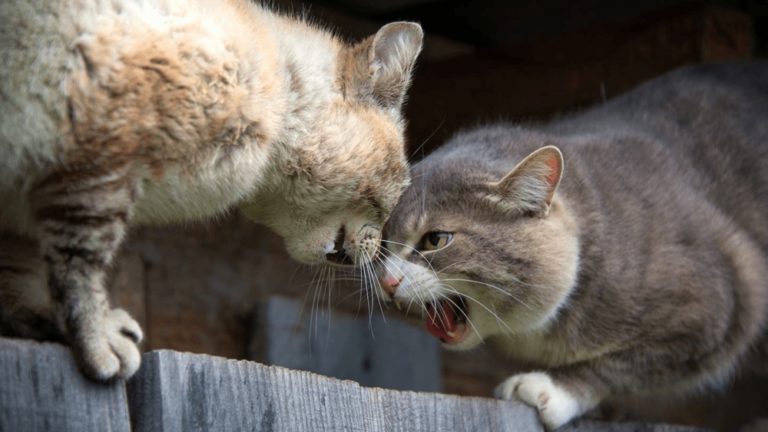
Animal behavior expert Nicholas Dodman says the high and euphoria caused by catnip can even be very beneficial in some cases. Aggressive cats, while they are sensitive to catnip, become more friendly under its influence. On the other hand, the analgesic effect of catnip will make life easier for a sick cat. Catnip can especially be used in situations where it is necessary to reconcile two hostile pets, as it will help them see each other in a different light.
How to grow your own
Catnip can be grown in your garden or in a pot on a loggia or windowsill from seeds offered in seed stores, or by purchasing potted plants, which can be found in the garden departments of shopping centers and plant markets. If you buy a pot, look for one with more leaves because leaves and flowers have the highest concentration of nepetectalone. Pay attention to whether the leaves are juicy and aromatic. This perennial plant can have bright green to grey-green leaves with a soft, downy underside. If you don't feel anything, the plant may be old, dried out and won't be as effective.
Growing catnip does not require much care. You can grow in one place for five to six years without transplanting. Catnip loves well-lit, sunny or partially shaded areas, loose, calcareous, fertile, and well-drained soil, as the plant does not tolerate excess moisture well. Ticks have a length from 30 to 90 centimeters. When planting catnip in the garden, it is advisable to leave free space, because if the cat likes to sleep and lie next to it, the crops growing next to it will suffer. To get a bushier bush with more leaves, it is recommended to pinch off the tops. This is done when the plant has grown well and begins to stretch.
When harvesting, pinch out young leaves and flowering tops when they are fully in bloom. Dry by placing out of direct sunlight in a well-ventilated area. Store dry in a sealed container or plastic bag to prevent the aroma from dissipating.