Why do animals need vitamin A?
History of Vitamin A
This vitamin was discovered only at the beginning of the 20th century, when scientists began feeding laboratory mice and rats low-quality and semi-synthetic food. The animals' vision quickly deteriorated, and growth and developmental disturbances began. As soon as butter was added to the diet of mice and rats, developmental and visual impairments quickly disappeared. Its oil contains vitamin A, or retinol, which promotes the growth, development and normal functioning of the visual organs. Also, the provitamin carotene, which is found in orange-colored plants such as carrots, is converted into vitamin A when ingested.
Content
Effect of vitamin A on the body:
- participates in metabolic processes,
- promotes the growth and development of the body,
- ensures normal functioning of the visual organs,
- stimulates the activity of the lacrimal and sweat glands,
- protects the mucous membranes of the respiratory tract and digestive system from infections,
- protects the body as a whole from infections.
What can cause vitamin A deficiency?
Only and exclusively – unsuitable food that does not contain or contains very little vitamin A or carotene. However, if the animal suffers from chronic diseases of the digestive organs, intestines or liver, the absorption of vitamin A in the body may be difficult.
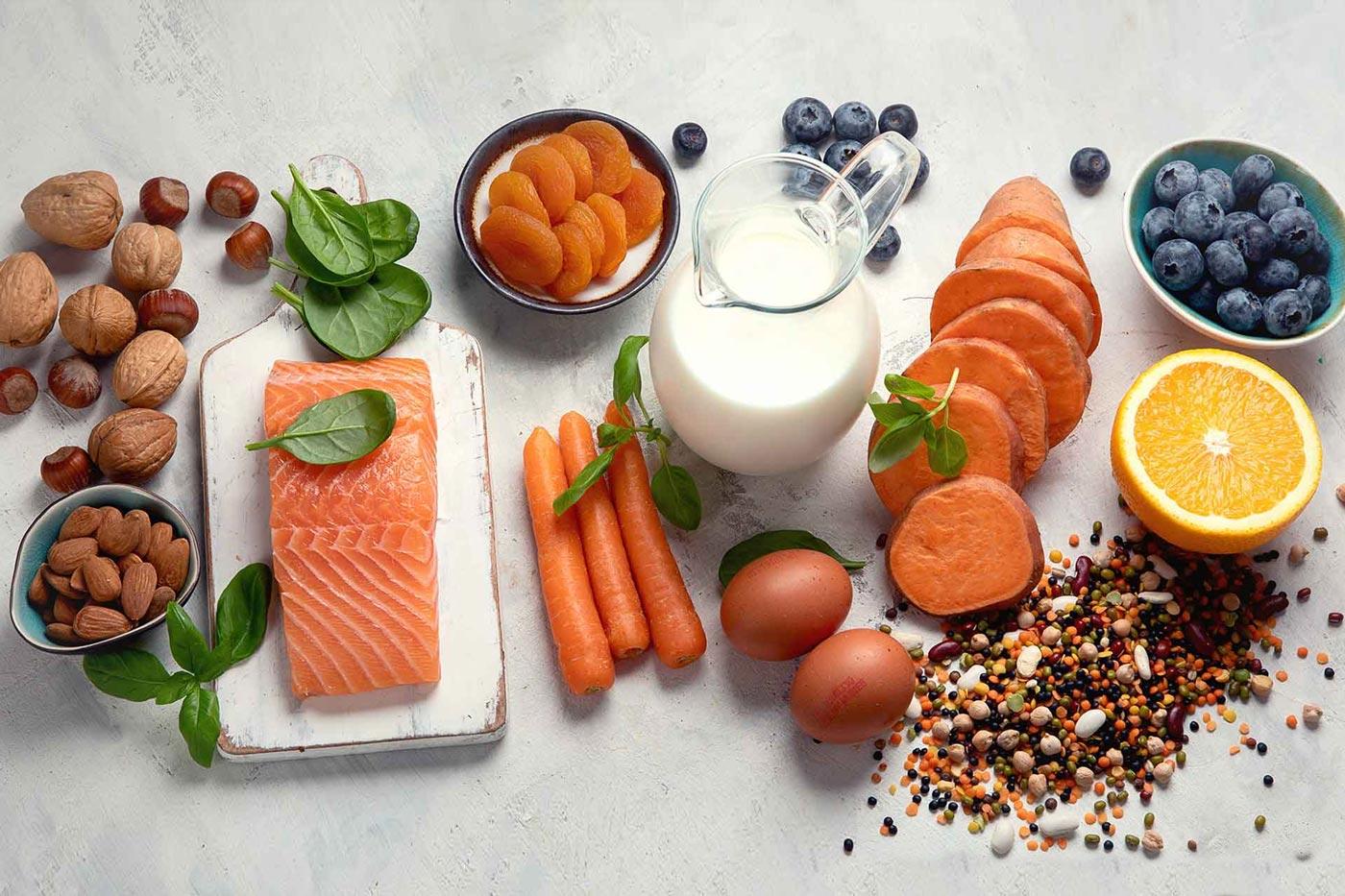
Foods rich in vitamin A:
- oil,
- egg yolk,
- beef liver,
- fish liver (especially cod and sea bass).
Contains a lot of carotene:
- carrot,
- spinach,
- salad,
- parsley,
- green onions,
- currant,
- blueberry,
- peaches,
- apricots,
- dandelion leaves,
- nettle,
- cowberry.
How does vitamin A deficiency manifest?
For dogs
Nervous system disorders occur: an unsteady gait - the dog begins to wobble, does not walk straight, jerks its paws and even its head. The animal may lose its balance and fall. With a long-term lack of vitamin A, the dog may fall and remain motionless for a long time, weakly and convulsively twitching its paws.
With a lack of vitamin A, puppies do not show interest in puppies, but for puppies, the lack of this vitamin radically changes both the search schedule and the course of pregnancy - spontaneous abortions are very common. Even if a puppy is born with a severe vitamin A deficiency, some of the puppies are usually dead, while the rest are in very poor health.
Vitamin A deficiency is characterized by loss of appetite and even impaired sense of smell - the dog cannot determine the smell and quality of food. The dog's vision loses its sharpness, especially in the dark. The plumage becomes dull and begins to fall out more.
For cats
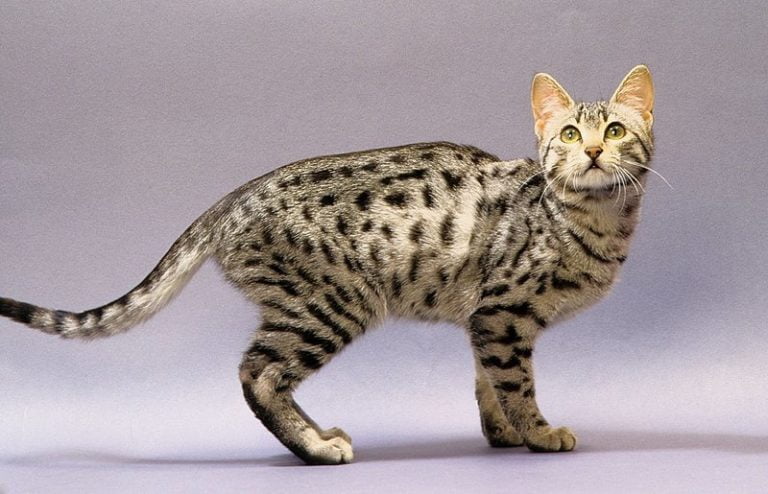
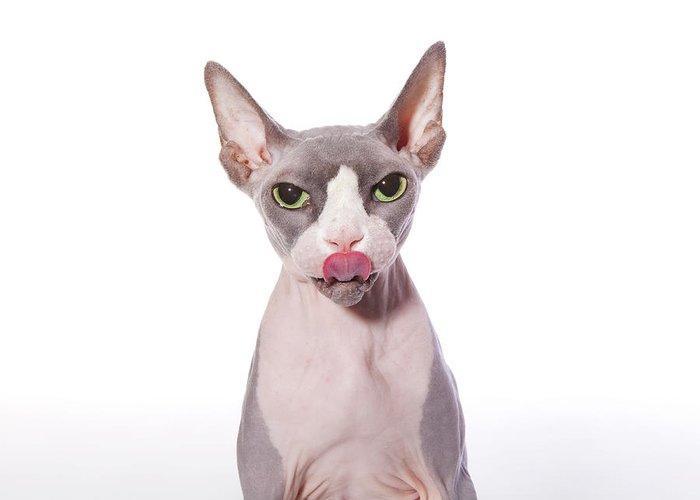
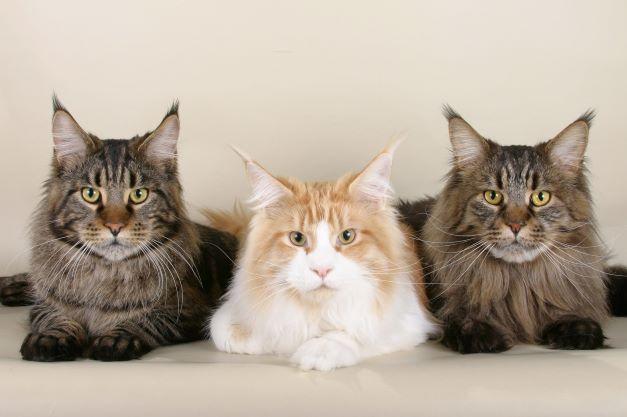
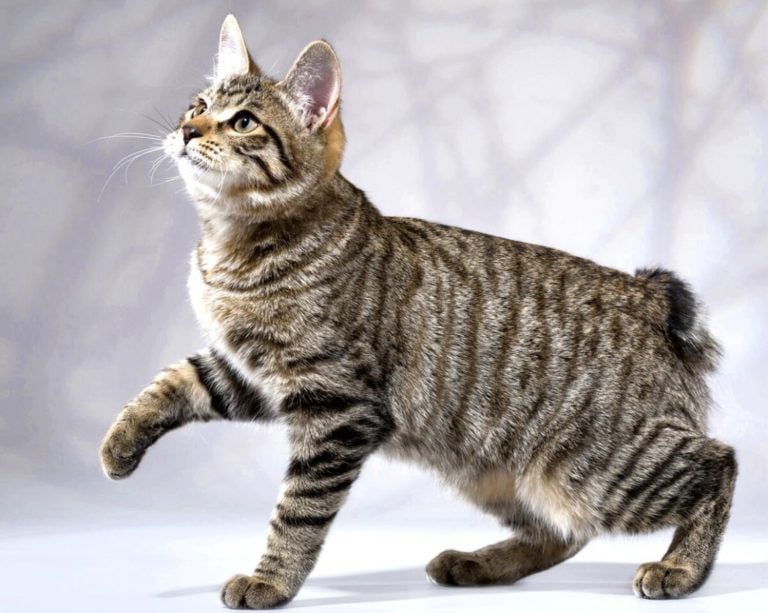
Signs of vitamin A deficiency are similar to those in dogs - cats show no interest in mating, but kittens do not mate, and spontaneous abortions or stillbirths are common. Cats also lose their appetite, have problems with their sense of smell and vision, and their fur becomes dull and falls out more.
For puppies and kittens
Vitamin A deficiency causes diarrhea, cloudy stools, often mixed with blood. Babies, especially puppies, do not gain weight or height. In kittens, tooth growth is delayed, and in puppies, the replacement of baby teeth is delayed. Lung diseases are common.
For rabbits
Vitamin A deficiency is especially dangerous - animals develop gastroenteritis, movement disorders occur - the rabbit moves with a limp, convulsions and even paralysis begin.
For rodents
Vitamin A deficiency is especially destructive in young hamsters, rats, mice and guinea pigs - the animals develop slowly, practically do not grow and do not gain weight. In adult rodents, a lack of this vitamin damages vision most significantly - they see poorly in twilight and darkness, so-called night blindness occurs.
If you do not notice the lack of vitamin A in rodents, the vision of mice, hamsters, rats and guinea pigs can be seriously affected: first the eyelid swells, then the eye begins to water and the cornea becomes cloudy - the animal’s vision weakens. and getting weaker every day.
A lack of vitamin A manifests itself in the quality of the coat - the coat becomes dull and begins to fall out. The function of the genital organs of rodents is also injured: the testicles of males become smaller and do not function normally, and female rodents give birth less and less often until they stop reproducing. Children born with vitamin A deficiency are either dead or very weak and sickly.
A lack of this vitamin also causes dryness of the mucous membranes of the eyes, respiratory tract and digestive organs, so various infections can easily penetrate and multiply in these places.
For decorative birds
In birds that have been removed from the menu of foods containing vitamin A, the first signs of deficiency can be observed after 7-50 days. Signs: Unsteady sitting or standing, loss of appetite and weight loss. The chicks stop growing, their bodies become covered with sparse feathers, and coordination of movements is impaired. Just like in mammals, birds' vision deteriorates - the pigment that projects the image quickly decreases, the mucous membrane of the eye dries out, and various microbes quickly penetrate it. Eye diseases caused by vitamin A deficiency are especially common in young parrots and canaries. A deficiency of this vitamin can also contribute to diseases of the respiratory tract, digestive tract and liver.
For reptiles
Vitamin A deficiency can cause dry skin, clouding of the cornea, and rapid swelling of the eyelids. In turtles, as a result of this deficiency, the eyes can become so swollen that the animal cannot open them at all! Negative changes in the skin and mucous membranes of reptiles can also cause a runny nose and various skin diseases.
For fish
Under the influence of vitamin A deficiency, fish stop growing, often get sick, and their eyes become cloudy.
Care
Having noticed the first signs of vitamin A deficiency, it is advisable to take your pet to the veterinarian, but even before the doctor’s visit, you can include a product rich in vitamin A in the little patient’s menu.
Since dogs and cats do not absorb carotene well, they prefer foods of animal origin containing large amounts of vitamin A (beef and fish liver, egg yolk).
It is preferable to give fish live food, nettles, dandelions or lettuce leaves (drenched in boiling water and chopped).
When preparing the material, we used the book “1000 Tips for Caring for Pets” by L. Stishkowski.