Sphynx cat vomits after eating - why?
Vomiting in a cat can be either a harmless episode or a symptom of an illness. It is worth watching your pet and if the situation repeats, contact the veterinarian. However, don't panic when your cat regurgitates food for the first time. Like humans, animals have temporary stomach problems that usually go away on their own. What are the most common reasons why a cat vomits after eating? How to prevent such episodes and what to pay special attention to? Read the article below to find out!
Why does a cat vomit after eating?
There are many possible answers to why cats vomit. Most often, the reason for such a reaction of the body is very prosaic - too greedy absorption of food. Fast-feeding animals that chew their bites poorly and swallow air along with them may regurgitate food as a result of this (unhealthy!) way of eating it. It is important to know that not everything we colloquially refer to as vomit is actually vomit. In medicine, there is a distinction between true vomiting (regurgitation of the contents of the stomach with the help of an abdominal pump) and pseudo-emesis (the so-called regurgitation). Therefore, during the interview, the veterinarian may ask us many different questions about the appearance of the throat or the position of the animal. It's all about making the right diagnosis.
Returning to eating too fast as a cause of spitting up, eating in a hurry can have various causes. One of them is the over-indulgence of the animal, which we can observe when a small cat vomits after eating. To teach a cat to eat more slowly, you can buy a special retarder bowl - this usually helps to cope with the problem.
Another reason for a cat to rush, and therefore vomit while eating, is the animal's fear that food will be taken away from him. Such a reaction can occur, for example, when the pet's bowls are in a noisy or crowded place. A cat, like a person, needs peace and quiet in order to be able to eat and digest food slowly. The effect of competition for food can also occur when more than one quadruped lives in the house. Divide animals at meal times.
If your cat is vomiting after eating because she ate too greedily, she may be very hungry. It is worth making sure that the calorie content of the cat's dishes is selected in accordance with its age, body weight and level of physical activity. It is also important to ensure that the animal receives a complete feed, i.e. complete and balanced.
The dosage of dishes can be determined on the basis of the nutrition tables that are on the product packaging. In addition to excessive greed, the cause of vomiting in a cat can also be overeating, i.e. eating more food than the stomach can handle. It should be remembered that the daily amount of food should be divided into several meals. The recommended way to feed a cat is to give her wet food for breakfast and dinner, and leave a bowl of dry granules for the time the caretaker is away from home or overnight.
Another cause of eating problems is feeding your pet food directly from the refrigerator. Also in this case, a possible reaction of the cat's body is vomiting. Kittens are especially sensitive to temperature (especially cold) and should be fed at least room temperature. In addition, they must have constant access to fresh drinking water.
Cats also sometimes vomit in response to changing their diet too quickly. For example, when switching from baby food to adult food, you should first mix the old food with the new one. The next step is to gradually change the proportions so that with each subsequent meal there is more and more of the target product in the bowl. The transition from one food to another should take about 7 days.
The psyche of a cat also has a great influence on the reactions of her body. Spitting up can occur after an injury or even a positive but significant change (such as a move or a new baby in the home). If your little kitten is throwing up, it may be due to the accumulation of exciting new experiences that happened during the day.
The presence of hair in the contents of the regurgitated stomach proves that the hair licked off by the pet remains in its digestive system. The solution to this problem is daily grooming of the purr's coat, as well as the use of treats recommended by the veterinarian and special degreasers.
It is good to know that cats, like humans, suffer from motion sickness. If your pet is vomiting in a car or other vehicle, this may be a sign of this condition.
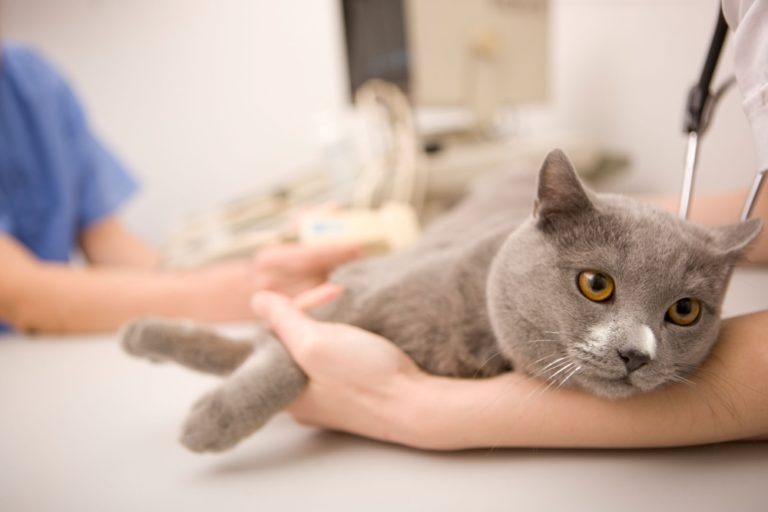
If a cat (especially a young kitten) vomits frequently or if regurgitation is accompanied by other symptoms (diarrhea, lethargy, fever), the animal should be taken to the veterinarian immediately.
Frequent vomiting in a cat and its health
The first vomiting of a cat after eating, if it is not accompanied by other symptoms, should not be a cause for panic, but only a signal that the animal should be closely monitored. If the situation repeats, it is worth trying to fix the circumstances under which this happened. Has your pet vomited stomach contents immediately after eating? Are there any foreign bodies, hair, or blood in the vomit? Any information of this type can be valuable in making a diagnosis. There can be many causes of feline ailment, including:
- bacterial infections;
- parasites in the digestive tract;
- panleukopenia;
- swallowed foreign body in the digestive tract;
- a tumor located in the digestive system;
- kidney failure;
- refusal baked;
- food poisoning.
Cat vomiting can also be a side effect of your pet taking certain medications. It is not recommended to give your pet medication on its own. If drugs are prescribed by a veterinarian, they should be administered as directed.
Many caregivers are probably wondering what to give a cat when she is vomiting. Our natural reaction in such a situation is to try to help the animal in difficult times. In the short term, the best way to support your four-legged friend is to provide him with peace and quiet. It is also worth encouraging the cat to drink water, because vomiting leads to dehydration, and this can be very dangerous for the health of the animal. When a cat vomits after eating, she should not be given any medication unless otherwise directed by a veterinarian. The good news is that these types of symptoms are most often behavioral, but it's always worth checking with your veterinarian when in doubt.