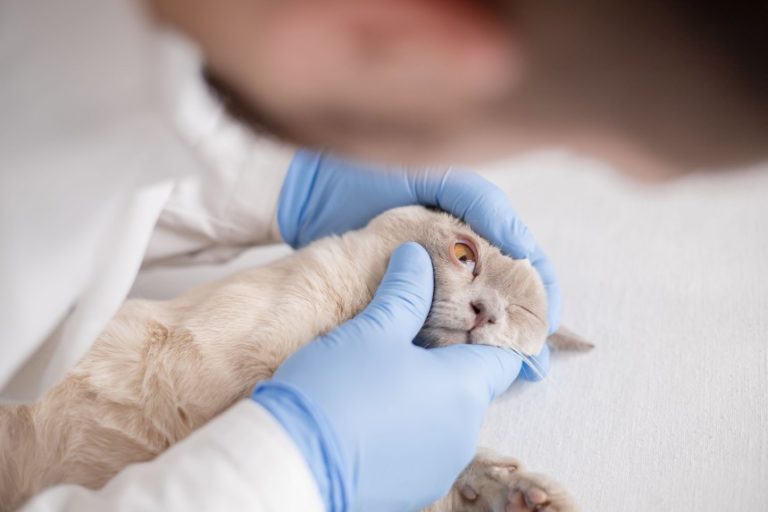
Sterilization of a cat - when to decide on it?
Through sterilization, we will protect our cat from unwanted pregnancy and also protect her from some life-threatening diseases. Costs…
Content
Caring for a dog or cat is not only pleasure, but also a great responsibility and responsibilities. In addition to regular prevention, such as deworming or vaccination, we must also reduce as much as possible the risk of our pet contracting various dangerous diseases. One of these safe procedures is sterilization.
Sterilization or castration? How are these methods different?
Castration involves removing the gonads (testes in males, ovaries in females). Females usually also have their uterus removed. Sterilization in men involves cutting and/or ligation of the vas deferens (the testicles are not removed) and in females during tubal ligation and/or cutting of the oviducts (the ovaries are not removed).

Facts and myths about castration
Unfortunately, there are still many false myths about castration. Repeatedly circulate among those who care for animals, and lead to the fact that they do not decide on this type of treatment. Remember, if you have any doubts, ask your veterinarian.
Factin
- Castration minimizes the risk of breast cancer. Ovariohysterectomy eliminates the occurrence of pyometra and other diseases of this organ. Pyometra is a fairly common disease in both bitches and cats and poses an immediate threat to life. The method of choice is removal of the uterus along with the ovaries, since conservative treatment is not always effective.
- Castration minimizes the risk of disease and prostate cancer in men.
- Single neutered more mentally stable. Castration in males reduces libido, they become less aggressive and excitable. When males come out, they get into fights much less often, do not go far from home, and the smell of urine is definitely less intense
- Castration eliminates the occurrence of phantom pregnancies. It is true that phantom pregnancies mainly occur in female dogs, but they can also occur in cats.
- Castration prevents accidental pregnancy.

Myths
- The cat must give birth at least once a year. There is no medical reason why a female cat should have offspring at least once in her life. Pregnancy, childbirth and breastfeeding are a huge burden on the female body.
- Castration causes obesity. Obesity is more common in neutered animals, but only those that are overfed and do not have an adequate dose of exercise.
Sterilization and homelessness of cats
Cats are animals with great reproductive potential. There are record-breaking females who can raise four litters of kittens in one season. This is why it is so important to castrate females not intended for breeding, and especially the most fertile free-living females. Particularly close contact, and therefore sexual contact, can lead (in addition to pregnancy) to various diseases, such as feline leukemia, infectious peritonitis or panleukopenia.
When does a kitten mature and when should a kitten be spayed?
Wondering when your cat can be spayed? Cats go through puberty at different ages, depending on their breed, personality, and the time of year they grow up. Most often, the first heat occurs between 5 and 10 months of age. Since ovulation in female cats is provoked by sexual intercourse, a female that has not been spayed and not inseminated by a male begins a kind of “permanent estrus” within a few months after the first estrus. It consists in the fact that the period of readiness to become pregnant occurs almost continuously or with breaks of several days, which does not allow household members and their neighbors to sleep peacefully.
In the United States, kittens are spayed before their first heat, which guarantees an almost 100% absence of breast cancer. In Europe, cats are most often neutered at 6-12 months of age, just before or after their first heat. In my opinion, this is more correct, because it allows the cat to fully grow, it is safer, and the risk of mammary cancer increases by only 1-2%.
When can a cat be spayed after giving birth? It is best to wait 2-3 months until she feeds the young and then begin the castration procedure.

Castration or contraception?
Some owners, fearing the procedure, consider another method of contraception, namely hormonal contraception. Remember that these drugs have many side effects. The risk of administering hormonal drugs, both long- and short-acting, to animals is high. There is always a risk of pyometra or other types of inflammation of the endometrium of the uterus, i.e. mucous membrane. Breast cancer is also possible.
Is it possible to castrate a cat in heat?
However, castration of a female in heat is possible. The procedure is definitely safer if the cat is in so-called hormonal silence. It is best to wait out the heat, but you have to be careful not to wait too long, because a new heat may begin in a moment. To help your cat (and us!) through this turbulent period, we can give her mild herbal sedatives intended for cats, use pheromones or melatonin - ask your veterinarian about the dosage and frequency of administration.

Sterilization of cats – How to prepare a cat for the procedure?
Castration, like sterilization of a cat, is a safe procedure. Nowadays, very safe anesthetics are used, and you can also choose a veterinary office that uses inhalation anesthesia. To increase the safety of the procedure, we should run basic blood tests on our cat (always done on an empty stomach). If during such an examination there are no dangerous deviations from the norm and after a clinical examination performed by a veterinarian, the cat will be allowed to undergo the procedure, you can safely make an appointment.
In specified cases, such as an older cat or a breed predisposed to heart problems, You may also want to have an echocardiogram done before the procedure, before your cat is spayed.
On the day of the procedure The cat should be on an empty stomach - about 8 hours, 2 hours without drinking. Most often, the guardian leaves the cat at the clinic for several hours. The procedure itself does not take much time; more time is spent preparing the cat for the procedure and postoperative care. Kittens are provided with antibiotics and painkillers, and most often they are also given a drip after the procedure. They return home in postoperative clothes so that the wound is not licked.
The owner should take home pain medications, antibiotics, and probiotics. The veterinarian schedules a follow-up visit, usually the next day or two to three days later. Postoperative clothing must be worn for at least 10 days after surgery. Stitches should also be removed at this time if the cat does not have absorbable stitches.

How to care for a cat after sterilization?
Now you know when you can sterilize your cat. What will happen later? On the day of surgery, your cat will be quite sleepy and lethargic for most of the day - this is completely normal. He may also tremble - this is the effect of anesthesia. The body is then often cooled - You can put the cat in a safe, warm place and cover it with a blanket. Don't put him on the sofa or bed the first day to prevent him from jumping off.
A few hours after surgery, you can feed her a small portion of cat food. For several days after the procedure, the cat should not go crazy and jump, but I know from experience how difficult it is to do this. Some cats behave completely normally on the second day after the procedure. and can jump on cabinets, giving their owner a heart attack. When in doubt, always contact your veterinarian.