How to understand what hurts a cat?
A person will say that he is in pain, a dog will be more likely to show it, but what about a cat? The cat will hide its pain problems so that you find out about it as late as possible. This is because even domestic cats have an instinct that prevents them from showing their weaknesses. Recognizing that your cat is in pain and pinpointing its source can be a challenge. It's worth knowing what to look for. What does a cat's pain position look like?
Content
What can cause pain in a cat?
Pain in cats can be caused by various reasons. Intestinal problems, cystitis, osteoarticular pain or post-operative pain are just examples. Each disease will be associated with slightly different animal behavior. Each of these can be associated with a number of different symptoms. Despite this, the posture the animal adopts will be the same in many cases. All cats experience the same amount of suffering or discomfort, regardless of the cause. All this gives us a fairly specific picture, which should lead us to the source of the problem.

How can you tell if your cat is in pain?
Additional symptoms
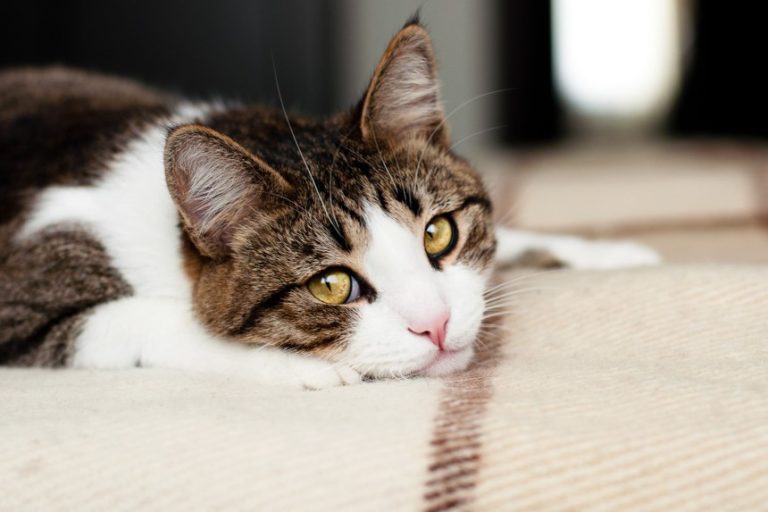
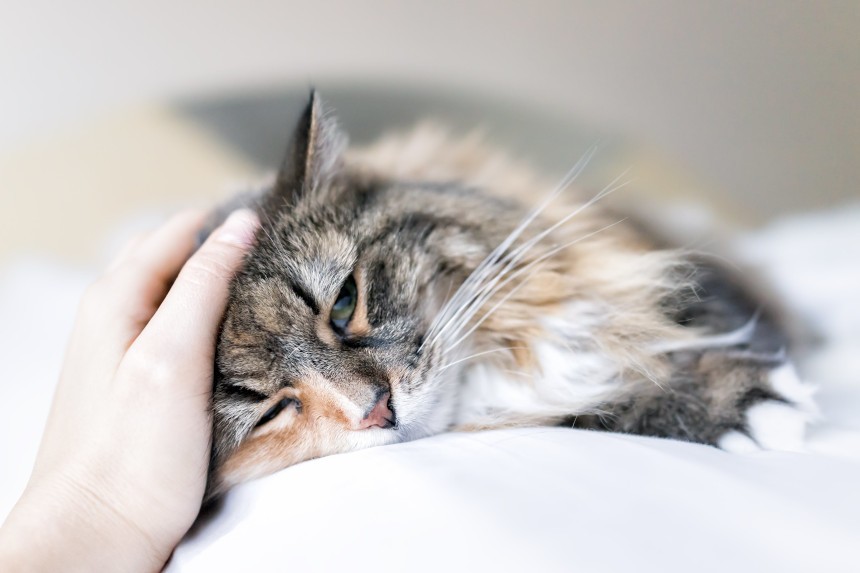
Firstly, sick cats generally avoid contact with humans. They hide in quiet places, are reluctant to move, are apathetic, as if they wanted to separate themselves from the external environment. In addition, in many cases the animals eat less. It also happens that they completely refuse to eat.
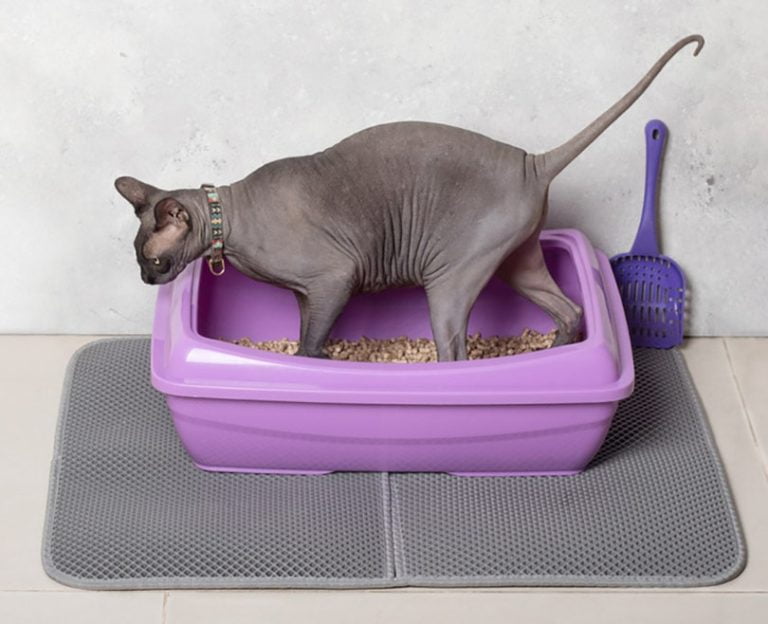
It is important to observe whether the cat toilets daily. Very often care is neglected due to pain. The fur then sticks together and becomes dirty, dull and scratchy. However, there are times when a pet washes regularly and does it smoothly - we can say that there are no signs that it is in pain. The problem may be indicated by the fact that one place is being taken care of in an exceptional manner.. Observing this behavior or finding hair damaged by licking and even areas completely devoid of hair gives us a clear clue where the source of the pain is.
Such situations include: cystitis (here, intense belly licking) or joint pain (the cat is over-grooming, for example, the wrist area or other painful area).
Position hurts
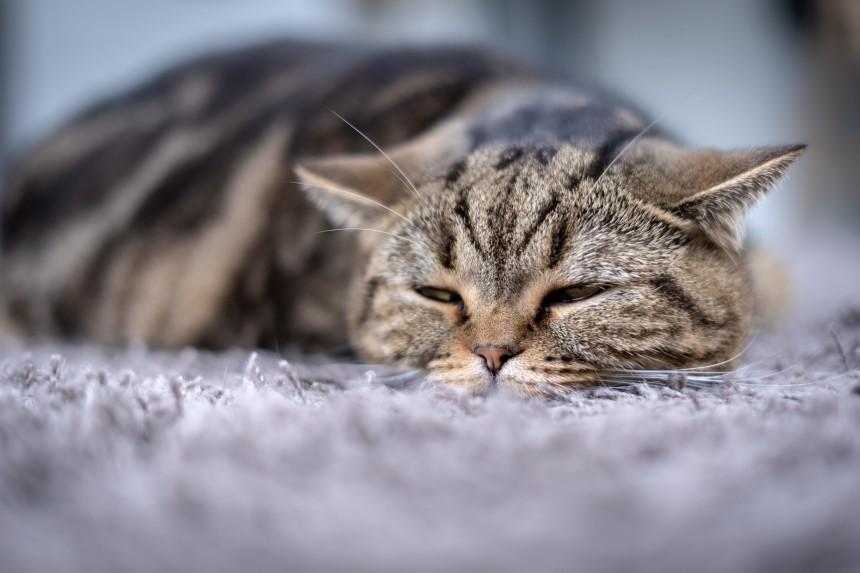
In addition to various accompanying symptoms, the most characteristic is the cat's pain position. A sick animal has an arched back, a stoop, slightly squinted eyelids and drooping sensitive whiskers. It happens that he impatiently moves his tail, and when we approach or hold him, he hisses or attacks.
If we touch a painful area, the cat may react in a seemingly inappropriate way - it will tense its muscles, run away, or attack with its paw or teeth. Often It happens that owners of cats who are very active every day are bothered by apathy and drowsiness in their pets, but if they are caring for a calm and aloof cat, they report her impatience and distrust.
There are people who can recognize signs of pain in a cat by the expression of its face. Changes in facial expression, less sharp vision, decreased interest in sounds or smells coming from the environment. All this can be noticed by a person who is with his pet every day and is able to detect subtle changes in his appearance.

What diseases contribute to the adoption of a painful position?
These are different problems. In many cases, bone, but not only - also an organ or skin. In each case, the accompanying symptoms will orient us and direct us to the source of the disease.
orthopedic problems
When a cat has bone or joint problems, we rarely see lameness. It happens that an animal moves on three limbs, but most often it walks carefully, slower, on stiffer legs and, most importantly, avoids jumping.
In case of orthopedic problems, we can also engage in intensive licking of the affected area. A cat's tongue, irritating the same area of skin over and over again, causes brittle hair, thinning, and even changes in the skin itself. Of course, the longer a cat licks itself, the more changes we are dealing with. Unfortunately, sometimes one night is enough for our pet to bring his skin into a condition that requires immediate intervention.
When localizing pain in the spine in cats assume a stooped posture, move awkwardly and neglect the toilet, especially hard to reach places. Even in their sleep, they arrange their body so that it is as comfortable as possible, but these are often unnatural positions.
Organ diseases
Visceral pain often results in the typical feline pain position. Moreover, animals in such situations completely or partially lose their appetite. Other symptoms such as vomiting or diarrhea may also be present.
Pain associated with the procedure
Post-surgery or post-accident pain is pain that we are prepared for and expect to experience. Of course, it is necessary to counteract, but it happens that the drugs administered are not enough. In such cases, pets may completely refuse cat food, drink, and even change their body position in some way. The desire to lick the wound is also typical.
Skin problems
The "cat pain" position is also adopted when the animal feels discomfort from the skin. Constant itching that accompanies various diseases of the integumentary system can contribute to a complete cessation of activity and a decrease or absence of appetite. Here, of course, in addition to changes in the cat’s behavior, we observe various skin rashes. The fur may also be affected.
What to do when we see that a cat is in a painful position?
There are many reasons why cats adopt painful postures. In order to recognize them, you should take a close look at the accompanying symptoms. They are usually the main pointer.
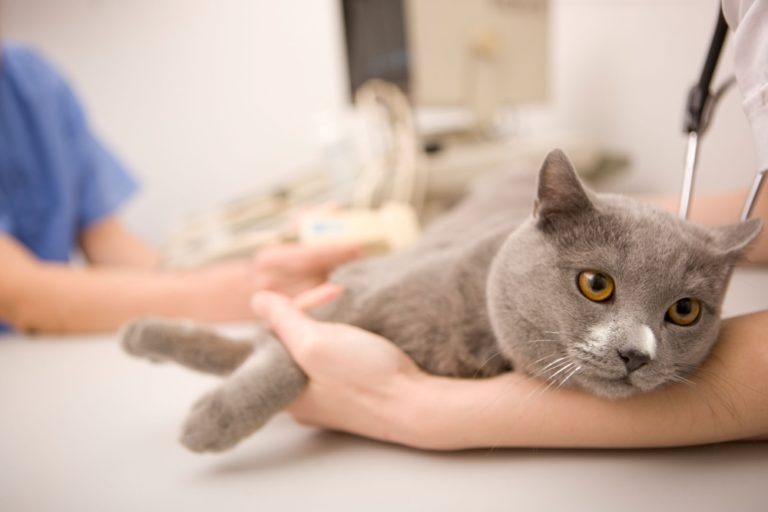
At the veterinarian's office, many questions are answered with a basic clinical examination. However, very often additional analysis is necessary to make a complete diagnosis.
The veterinarian examines the animal and perform additional tests if necessary. In many cases, X-ray or ultrasound examination dispels doubt about the source of the problem. However, this is not always the rule. A urine test, for example, is crucial when it comes to diagnosing cystitis. However, to detect an infection in the oral cavity, in addition to a very thorough examination (which in the case of cats is not always possible at home), a cytological examination or dental x-ray may be necessary.
How to help a sick animal?
Some diseases can be completely cured and that is always our goal. However, unfortunately, with some illnesses the pet remains ill for life. However, knowing the reason for the poor condition of the quadruped, we are able to act purposefully. Thanks to this, we will significantly improve his comfort or even extend the asymptomatic periods of illness.
Analgesics definitely help reduce symptoms of pain in cats. However, this is not enough as it does not address the cause of the problem. Of course, in many cases it can and should be used as a maintenance treatment, but in some nosological forms it is even contraindicated.
Let's also remember that painkillers used in humans are dangerous for cats and should not be given.
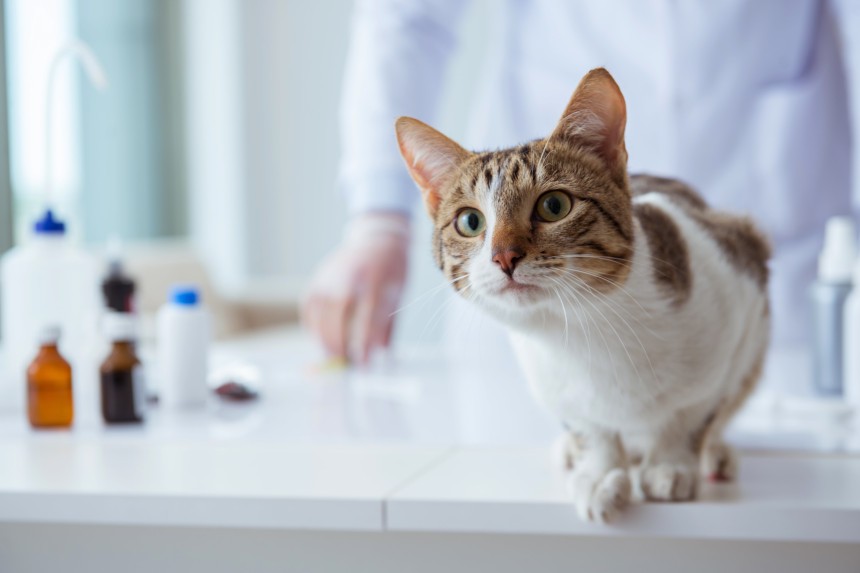
Painful position in a cat - summary
Cats don't want to show us that there's something wrong with them. Often, the caregiver notices changes in the pet's behavior when the disease process has already begun. This is why it is important to know how cats show pain. Closely observing an animal's behavior is one thing, but regular preventive examinations are also extremely important.
A cat in pain takes a characteristic pose. When we notice her Let's not put off a visit to the veterinary clinic. Only targeted treatment helps rid the animal of the disease and restore its comfort.