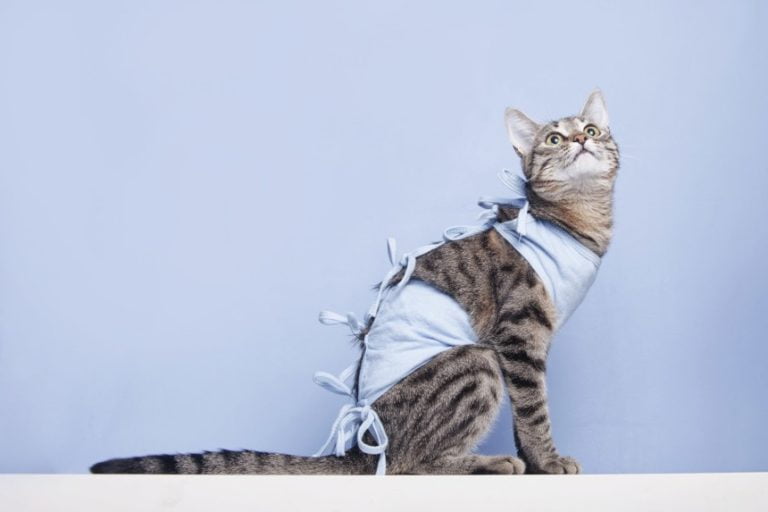
Digestive disorders in Sphynx cats
One of the most common reasons pet caregivers go to the veterinary clinic is digestive disorders. Their…
Content
Gastrointestinal disorders - symptoms
Digestive problems and any abnormalities associated with the proper functioning of the digestive system are usually relatively easy to notice. Of course, you should seek veterinary help immediately, as not treating them can have serious consequences. Problems are usually accompanied by the following symptoms:
- vomit,
- diarrhea, constipation, or bowel movement
- abdominal pain,
- the presence of blood or mucus in the stool,
- weight loss,
- decreased or selective appetite,
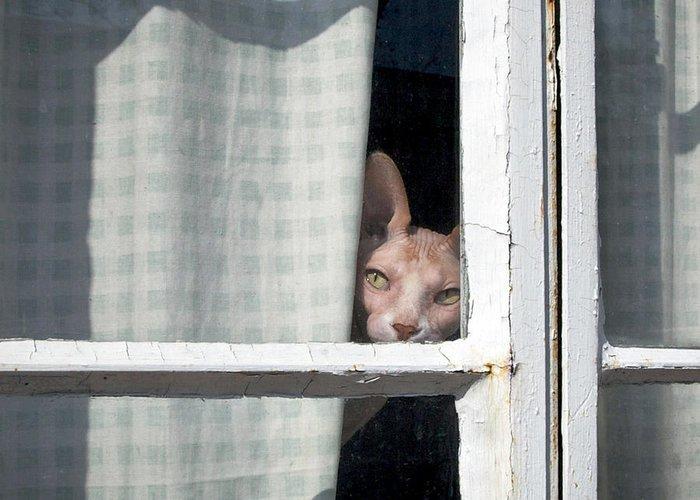
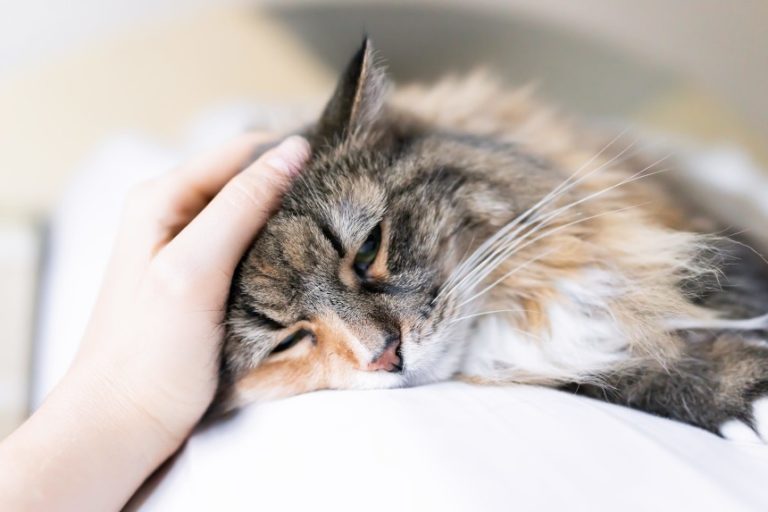
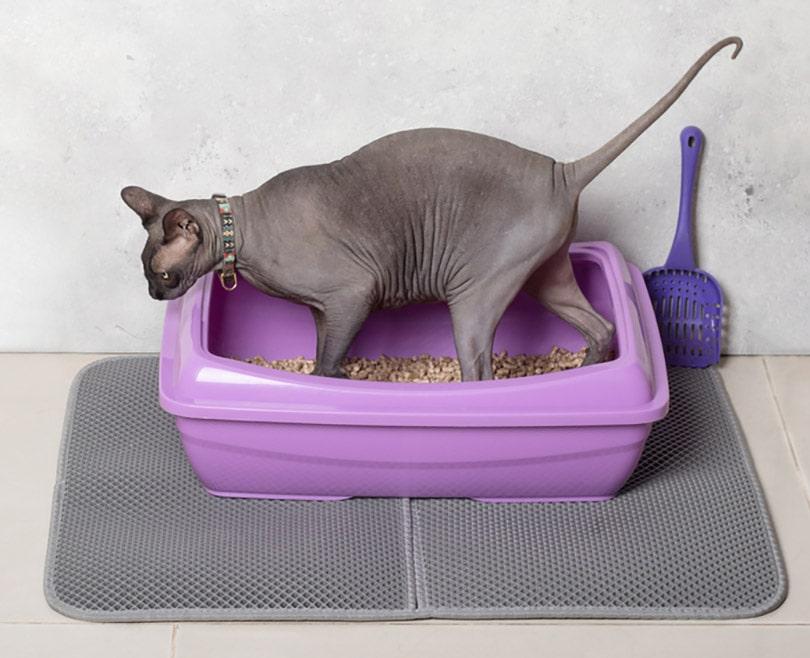
The above ailments are also accompanied by a decrease in the animal’s mood, which makes the cat apathetic and unwilling to interact with the caregiver. Often, when a Sphynx cat is sick, she tries to hide in the corners of the apartment, defecates outside her litter box and does not pay attention to food.
Diagnosis of problems with the digestive system
It is worth noting that the above symptoms do not have to be present at the same time. A foreign body in the gastrointestinal tract or if you notice that your Sphynx cat is vomiting, you should contact your veterinarian immediately. He will definitely conduct a detailed interview, focusing on the problems that have arisen. Be prepared to ask questions about the frequency of diarrhea, vomiting and, of course, the type of food you serve.
The veterinarian will also perform a clinical examination of the patient. If you have stomach problems, you may also need an abdominal ultrasound, blood tests, or stool tests. In more advanced cases, x-rays, gastroscopy and other additional tests may also be required.
Feeding a cat with stomach problems
Regardless of the pharmacological therapy administered, the veterinarian will definitely recommend a specialized diet that will support the cat's digestive tract. To do this, it is often recommended to change the food to one that is suitable for animals with digestive problems - this will be an easily digestible diet.
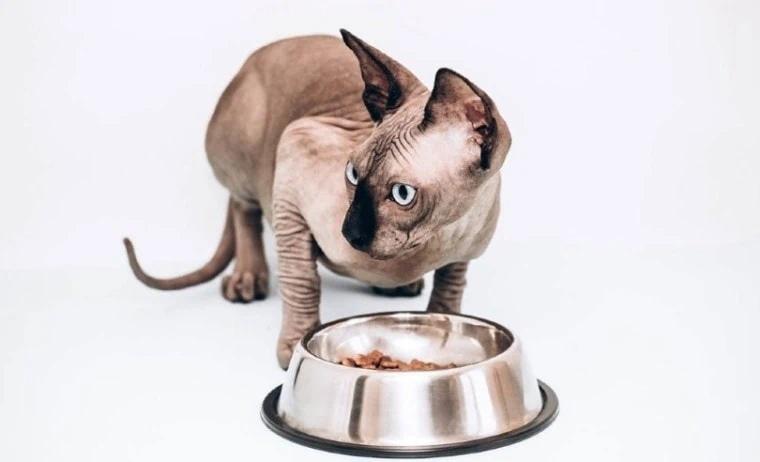
The cat belongs to the group of carnivores, so its diet should be based primarily on protein of animal origin. Dry dietary food for cats Veterinary Diets Gastrointestinal to reduce the manifestations of intestinal disorders, promotes the replenishment of nutrients and recovery. Its easily digestible components help reduce stress on irritable bowels. The composition of the feed with a limited number of protein sources helps to minimize adverse intestinal reactions. In turn, pre- and probiotics contained in food take care of the bacterial flora.
The food is characterized by high calorie content, so its daily portion is small. The small volume prevents excessive stress on the cat's stomach and entire digestive system. To a large extent, cats suffering from digestive problems do not want to eat the food offered to them. Veterinary Diets Gastrointestinal cat food is designed to stimulate your cat to eat with its attractive aroma and high palatability.
Irritation of the digestive system in a Sphynx cat - how to help the animal?
Proper diet
The most important element of therapy is the implementation of an appropriate and strictly controlled diet. It is worth remembering that you cannot independently add snacks or meals to your recommendations that do not coincide with the veterinarian’s recommendations. Poor dietary management can aggravate symptoms, causing, for example, colitis or acute gastritis. The animal may require a specialized diet for the rest of its life.
Changing eating habits
Proper nutrition is not everything, you also need to remember about its correct use. Responsible food serving involves serving food in smaller portions but with greater frequency. Thanks to this, it will not burden the cat's stomach, thereby eliminating possible causes of diarrhea.
Preventing Dehydration
Your cat should always have access to clean, fresh water. Reducing fluid intake can lead to constipation or even dehydration. Water intake is also important for cats suffering from diarrhea and/or vomiting. If your cat doesn't like to drink from a bowl, make sure you offer her an attractive water fountain.
Physical activity
The right dose of daily exercise also has a significant impact on improving intestinal motility and digestion. An older cat may not be as willing to engage in indoor racing, but rewarding the cat with a new toy should have an effect. Playing together will increase your cat's appetite, reducing the risk of malnutrition.
Digestive problems in cats - summary
If you want your Sphynx cat to live as long as possible in full health, respond to the slightest alarming symptoms. Thanks to your instant reaction, you can quickly detect possible disorders in the digestive system. This will allow for quick treatment and proper nutrition, thereby accelerating the cat’s recovery.