The Complete Teething Guide for Sphynx Kittens
Cats, like human babies, start life without visible teeth. Their baby teeth (also known as deciduous teeth or deciduous teeth) grow in at about 3 weeks of age. Between the ages of 10 weeks and 6 months, these first milk teeth are replaced by adult teeth. The condition of a cat's teeth and gums is a good indicator of overall health. Knowing the kitten's teething schedule can help cat owners support their kittens in this critical early development.
Content
Kitten teething chart
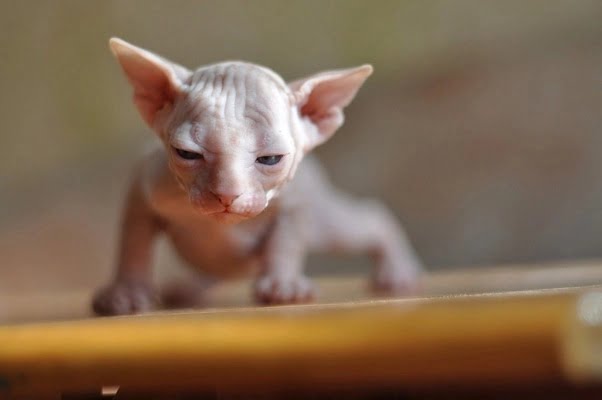
Kittens are born without visible teeth, just like humans. Sphynx kittens are born toothless. Milk teeth grow at the age of 2 to 3 weeks. By about 3 weeks of age, their initial set of teeth erupt from their gums. Kittens can start teething as early as 10 weeks. As a rule, all permanent teeth appear at the age of 6 to 7 months.
Teeth grow at different rates - this is normal and cat owners need not worry. Although cat owners may want to contact their veterinarian if a significant amount of teeth are still missing after about 10 weeks. This period of deciduous teething is the first of two periods of teething in kittens.
The second period of teething can occur between the ages of 10 weeks and 7 months. Kittens have 26 first milk teeth. Later, cats develop 30 permanent adult teeth. It is normal to notice loose teeth on the floor. While Sphynx cats are generally tolerant of the discomfort associated with adult teething, many of the symptoms and behaviors of uncomfortable teething occur during this second period.
Symptoms and Behavior of Teething in Kittens
Keep an eye on your teething kitten as it erupts its adult teeth and look out for any signs of dental discomfort during the teething process, including:
- loss of appetite: Eating pellets or even wet food can be painful in a sensitive kitten's mouth. The cat may avoid food to reduce discomfort.
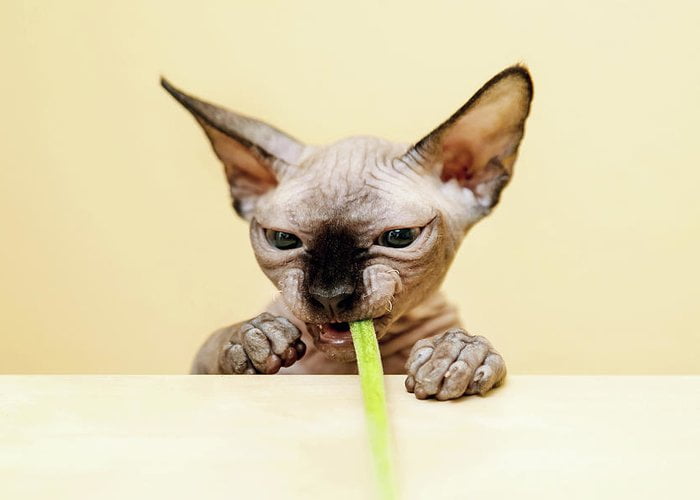
- increased chewing behavior: some cats find the sensation of hard chewing comforting. An increase in a kitten's chewing may indicate that it has started teething.
- inflamed gums: as adult teeth erupt, they can crowd in the mouth and overlap milk teeth. This creates pockets ripe for bacteria.
- general irritability: cats may be more touchy than usual during teething due to the discomfort.
What to do if a Sphynx kitten has adult teeth cut too long
Usually, adult teeth or tooth buds form in the jaw and gums above the baby teeth. Then the milk tooth associated with the adult tooth falls out. Although sometimes a milk tooth can be absorbed into the gum and not fall out. These are known as permanent milk teeth. In this case, the adult tooth may erupt late, at an incorrect angle or position. Having two teeth in the same tooth socket can cause a number of problems for a kitten, including:
- bad breath or gingivitis: both of these can be caused by food accumulating between the teeth.
- Loose Teeth: Caused by two misaligned teeth rubbing against each other. This wears out the enamel.
- problems with jaw development: Although rare, they can be caused by misalignment and occlusion of teeth between teeth.
In most cases, your veterinarian will recommend tooth extraction to make room for adult teeth. Tooth extraction is most successful if done at an early stage.
Create a Kitten Dental Care Routine
If pet owners can train their new kitten for a dental routine that includes regular brushing, they can keep their cat healthy at home. Cat owners can start brushing their Sphynx cat's teeth at just a few months of age to develop the habit of grooming her.
After finding cat toothpaste, which usually tastes fishy, let the cat inspect the toothpaste and toothbrush. If they can tolerate further handling, brush their teeth! It won't take long - less than a minute is enough.
- routine brushing: as described above, cat toothpaste.
- buying teething toys for kittens: using chew toys while playing can help prevent tartar buildup. They come in a variety of flavors including catnip.
- using a small amount of mouthwash: may also help in the treatment of plaque formation.
- Feeding your cat a dental diet: dry cat food can sometimes improve dental health through chewing. However
- most commercial dry cat food contains sugarwhich can lead to the formation of tartar. Ask your veterinarian if regular kitten food is enough and if a dietary dental food can help your kitten's dental health.
Of course, any dental care should be complemented by regular veterinary check-ups. Pet parents can help their kitten's dental health by checking new teeth and kitten's jaw development weekly. This should be done until the kitten has passed the teething stage at about 8 months of age.
Conclusion
Teething in kittens occurs in two stages. The first is when a kitten has its first set of teeth around 3 weeks of age. The second stage lasts 10 to 7 months, when their baby teeth are replaced by a possible full set of adult teeth. Teething can be uncomfortable for kittens, although their symptoms can be managed. A pet-friendly toothbrush, toothpaste, mouthwash, teething toy, and teething diet can help a kitten deal with the discomfort. At this stage of life, regular dental care and monitoring at home are important. Visiting the veterinarian on a regular basis can help your kitten's dental health. They will check the kitten's teeth and jaw development during teething. This should be done weekly until the kitten is about 8 months old.