FIP cats - symptoms, consequences and treatment of infectious peritonitis in cats
FIP in cats is a popular topic that is still difficult to interpret unambiguously. In recent years, coronaviruses have permeated the...
Content
What is FIP in cats?
FIP (feline infectious peritonitis) is short for feline infectious peritonitis, a fatal and devastating disease of domestic and feral cats first described in the 1960s. This disease is caused by a mutation of a fairly common feline coronavirus. The most vulnerable to the development of FIP are young cats (up to 3 years of age, in adults, large domestic cats the risk is lower), coming from large groups (kennels, catteries), as well as with other infections that impair performance. immune system (for example, those infected with feline viral leukemia or feline immunodeficiency). At the same time, there are no studies that indicate racial predisposition or the relationship between the development of the disease and the occurrence of COVID symptoms in caregivers.
It is also worth remembering that feline coronavirus (FCoV) is a very common virus (it is estimated that up to 80-90% of cats are infected with coronavirus) and only a few animals develop FIP. It is estimated that FIP occurs in approximately 5% of households with more than one cat. It follows that feline coronavirus infection does not mean that our baby will definitely get FIP.

Кошачий FIP — как заразиться?
Коронавирусная инфекция кошек чаще всего передается алиментарным путем, в меньшей степени — аэрогенным (капельным) путем. Чаще всего кошки заражаются при еде и питье из одних и тех же мисок, а также при использовании одних и тех же лотков. Реже – при вдыхании вируса, выделяемого при чихании или при уходе за собой. Затем вирус размножается в эпителии кишечника и позже выделяется с фекалиями. Поэтому коронавирусная инфекция проявляется диареей, которая обычно проходит без дополнительных симптомов. Однако это не означает, что вирус окончательно удален из организма. Некоторые кошки выделяют вирус длительное время (несколько недель, месяцев, иногда даже всю жизнь), при этом сами не болея инфекционным перитонитом.
Where does FIP come from in cats?
Развитие FIP у кошки происходит из-за возникновения мутации FcoV у инфицированного животного. Мутировавший кошачий коронавирус («фипогенный») соединяется с антителами, образуя комплексы, которые захватываются клетками иммунной системы — моноцитами и макрофагами. Однако эти клетки не нейтрализуют вирус, который продолжает распространяться в крови и размножаться в организме. На этой стадии дальнейшее развитие заболевания зависит от эффективности киллерных клеток иммунной системы (то есть от эффективности механизмов клеточного иммунитета). Если клетки борются с комплексами вирус-антитело, развивается сухая форма, при которой очаги воспаления распространяются по различным органам в виде гранулем, это так называемая сухая, неэкссудативная форма. С другой стороны, если боевые механизмы слабы, количество комплексов быстро увеличивается, они откладываются в стенках сосудов, что приводит к скоплению значительного количества экссудата в полостях тела (т.е. брюшине, плевре, перикарде), развивается влажная (экссудативная) форма.
Within 14 days of mutation, the virus is found in the feces, liver, pancreas or central nervous system. In addition, complexes of viral particles with antibodies are deposited in the walls of blood vessels, which leads to their narrowing and increased pressure, especially in organs rich in small vessels, such as the kidneys or the choroid of the eyeball. Therefore, it is often called “ophthalmic FIP”, which detects inflammation of the choroid and retina. In addition, the virus enters the nervous system, which can cause a variety of neurological symptoms in the cat, such as ataxia, hyperesthesia, nystagmus and seizures.
Stress as a Cause of FIP in Cats
The exact mechanism that causes feline coronavirus to mutate into the “phypogenic” variant is not fully understood. However, it has been proven that these mutations can be varied. They can occur spontaneously, but stress can also contribute to the formation of mutations. A stress factor can be:
- change of scenery: moving, renovation, bringing a cat from the cattery;
- arrival or loss of a family member: birth of a child, arrival of a new pet, removal of a family member, departure of an animal;
- travel: on vacation with a cat, visiting a veterinarian.
These are just a few of the factors that can cause stress in your pet. It should be remembered that cats have a very complex psyche, and even the appearance of a new plant or changing an existing filler can become a potential stressor.
How long does it take for a cat to develop FIP?
The development (as well as the course) of infectious peritonitis in cats is very variable. Because FIP in cats is a disease that develops as a result of a mutation in a virus commonly found in cats, it is impossible to say with certainty that symptoms will appear within a certain period of time after infection. Feline coronavirus is so common that pets can become infected with it several times in their lives. One thing is certain - animals that have not been exposed to feline coronavirus will not develop symptoms of feline infectious peritonitis. The development time of infectious peritonitis varies greatly - it can be several days, but also several years. It is also possible that even months before typical FIP symptoms appear, there will be periods when the cat will exhibit nonspecific symptoms, such as loss of appetite, fever, or diarrhea.
How to recognize FIP in a cat?
First of all, it should be noted that cats are excellent at hiding pain and suffering. Therefore, cat owners should closely monitor their cats' behavior and, if they notice anything alarming, contact a veterinarian as soon as possible. Most cats infected with FCoV remain healthy or exhibit only mild enteritis with diarrhea.
If the virus mutates into the "FIPogenic" variant, the symptoms of the disease are a consequence of vascular inflammation caused by complex deposition and disruption of blood flow. Symptoms observed may affect the kidneys, liver, pancreas, eyes, or central nervous system.
Most often, the first symptoms that worry owners are very non-specific - fever, despondency, loss of appetite and weight loss. Over time, further symptoms develop, characteristic of one of the forms of infection: wet or dry.
FIP wet and dry
So-called “wet FIP” is more common and is characterized by the presence of effusion in body cavities such as the peritoneum, pericardium, or pleura. In the case of peritoneal effusion, cats have an enlarged abdomen with a pasty consistency. In advanced stages, fluid accumulation in the peritoneum may make it difficult for the cat to move, eat, or defecate. If the effusion accumulates in the chest or pericardium, the owner may notice that the animal becomes more fatigued, shortness of breath, rapid breathing, and a reluctance to exercise.
Dry infectious peritonitis occurs without the presence of exudate; numerous granulomatous inflammatory foci are found in the organs. Kidney enlargement is also possible. Regardless of the form, ophthalmological symptoms such as chorioretinitis, deposits in the anterior chamber of the eye, and discoloration of the iris may also occur. In addition, approximately 10% of affected cats also exhibit neurological deficits: ataxia, hyperesthesia, nystagmus, seizures, and behavioral changes. Jaundice can occur due to liver damage.
Diagnosing infectious peritonitis based on laboratory tests is very difficult because the disease has a wide variety of symptoms and takes many forms. Therefore, many specialized tests are often necessary, such as a complete blood count and blood chemistry with protein electrophoresis, ultrasound studies, examination of exudates from body cavities (for example, from the peritoneum), examination of cerebrospinal fluid or molecular studies.
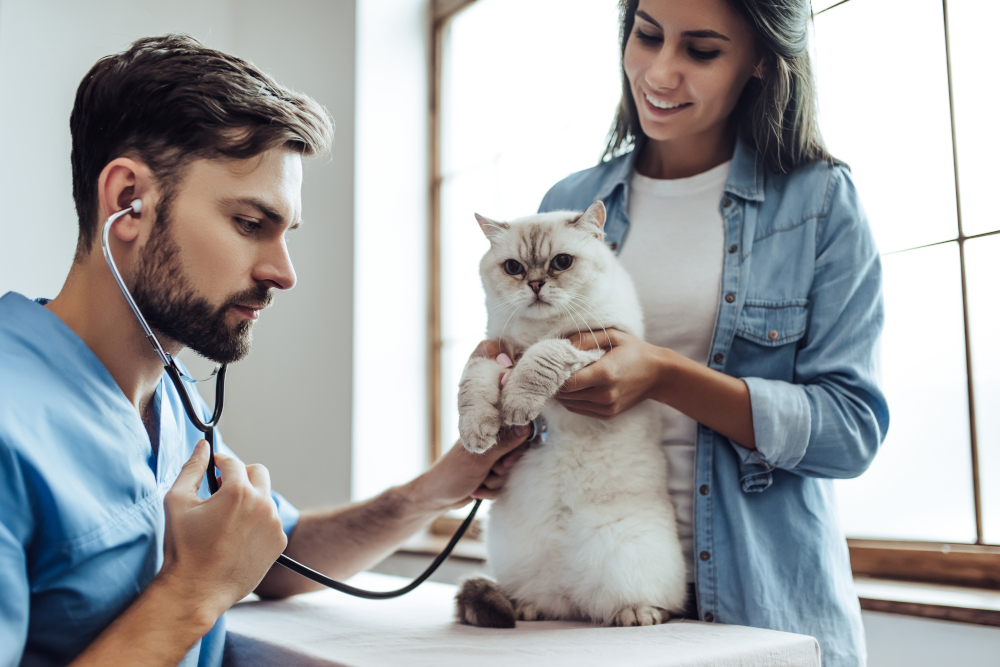
How to treat FIP in a cat?
Feline infectious peritonitis is a deadly disease. Therapy for feline infectious peritonitis is based on reducing inflammation in the cat’s body by:
- use of anti-inflammatory drugs,
- irrigation,
- auxiliary nutrition,
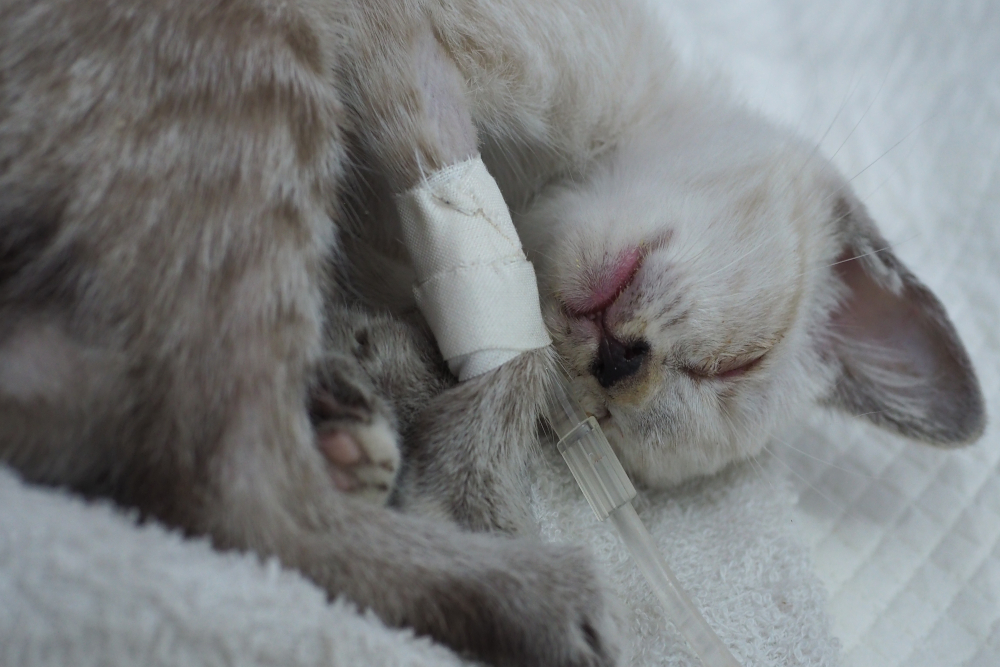
- use of intravenous infusions,
- addition
- supporting liver function.
Feline interferon ω is a drug that limits the reproduction of the virus and stimulates the body to fight the infection. This is an antiviral substance. However, once a diagnosis is made, a pet owner should consider euthanizing the pet if the cat is suffering and in poor condition.
No drug for the treatment of FIP is registered in the European Union. Remdesivir was recently approved in the UK and Australia for the treatment of FIP. In addition, some are using an experimental treatment with a drug similar to remdesivir. However, these substances are not approved for use in Poland, so treatment with them is not available.
FIP у кошки — как уменьшить страдания?
For cat owners, a diagnosis of FIP is tantamount to a death sentence. However, it is possible to prolong the life of a pet while maintaining the cat’s well-being. An important role here is played by close cooperation with a veterinarian, who will be able to assess the animal’s condition on an ongoing basis, which will allow him to introduce appropriate palliative treatment and supplementary feeding. Such treatment is based on the use of anti-inflammatory drugs, nutritional supplements and infusion therapy. Sick cats often suffer from a lack of appetite, but regular food intake is a very important element of treatment and rehabilitation. Therefore, it is important to give your cat food that she likes.
There are foods and veterinary medications on the market with higher caloric content for convalescents or medications that add flavor to the food, i.e., make the cat eat more willingly. Eating these foods may make your cat willingly approach the food bowl. However, the key to palliative treatment of a cat with FIP is working closely with your veterinarian, because only such actions can lead to an improvement in the pet's quality of life. Moreover, a conversation with a veterinarian will also allow the cat's owner to prepare for making a difficult decision about possibly ending the cat's suffering.
It is important to remember that FIP is not contagious, meaning cats do not become infected with it in the same way that humans do with the flu. However, feline coronavirus spreads very easily between pets, especially if they live in the same household. Therefore, the basis of prevention, in addition to reducing stress in animals, is compliance with hygiene rules, i.e. Using an appropriate number of litter trays and feeders and cleaning them regularly, and maintaining good hygiene.