Fat cat - what could be the reason for his obesity?
Overweight in a cat is usually the result of overfeeding and insufficient exercise. Caring caregivers sometimes don't realize that they...
Content
Fat cat or just “fluffy” - how to recognize obesity in a cat?
A cat is diagnosed as overweight when its body weight is 15-30% above its optimal weight. On the other hand, a fat cat that weighs more than 30% more than it should is already obese. Being overweight is a disorder that you can combat on your own by following a proper diet and providing your pet with the right amount of exercise. Obesity is a disease that requires veterinary intervention. Therefore, a fat cat should be taken under the supervision of a specialist who will first assess the condition of the animal’s body.
Veterinarians use the BCS (Body Condition Score), which is a scoring system for assessing the condition of four-legged animals. It allows you to determine whether your cat is of normal body weight, overweight, obese, underweight or malnourished. The veterinarian looks at the silhouette of the animal (from above and from the side, paying attention to the outline of the body) and palpates it (by touch).
What does a fat cat look like on the BCS scale? A thick layer of fatty tissue is visible along the spine to the tail, as well as around the ribs and shoulder blades. The ribs can only be felt after applying strong pressure, and in very fat cats they cannot be felt at all. The intercostal areas and the lumbar fossa are distinguished. The abdomen is enlarged and low.
An overweight cat has trouble moving around and doing simple things (like jumping on the couch) and becomes lethargic and depressed. He is more susceptible to musculoskeletal injuries and various diseases than animals in good condition. Fat cats are particularly susceptible to diabetes, liver and kidney disease, hormonal imbalances and cancer. Very fat cats become depressed, lethargic, and unable to maintain proper hygiene or do activities they once enjoyed. Their mental state resembles depression in humans. Obese cats have trouble sleeping and lowered immunity.
Why is the cat fat? Causes of overweight and obesity
There are various causes of overweight and obesity in cats. These include:
- overeating is the main cause of obesity in animals; the cat receives more energy than it needs, and thereby accumulates an excess layer of fatty tissue;
- low physical activity - usually due to lack of space and company for games; the guardian should spend at least several minutes playing with the cat every day, regardless of the age of the four-legged animal;
- castration or sterilization procedures - due to the hormonal changes they cause, almost double the risk of overweight and obesity, especially in men;
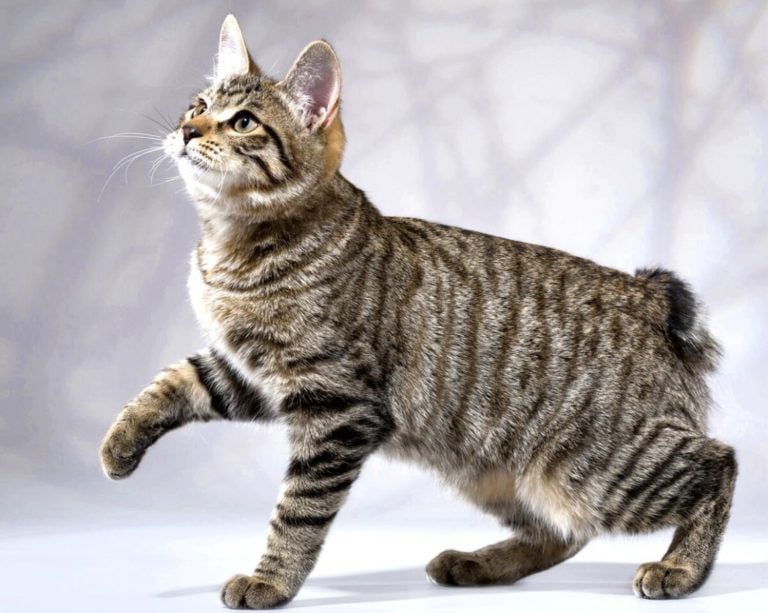
- racial predisposition - cats of short-haired breeds (for example, Manx, Bengal, Scottish fold) are more prone to overweight and obesity, which is determined by genetic conditions;
- old age – between the ages of 5 and 10 years, the risk of obesity in cats increases, which is associated with a slowdown in metabolic processes.
What to feed fat cats to get them back into good shape?
An overweight cat that has been diagnosed as obese should be fed according to its needs, strictly following the veterinarian's instructions. Obesity is a disease, so it requires specialized treatment, which consists of using a special diet for weight loss and, possibly, prescribing appropriate medications (if the cat has other diseases).
Obesity is better prevented than cured. Therefore, the basis of the diet of every cat, not just fatty cats, should be a complete ready-to-eat food, adapted to its age, body weight and range of physical activity. It is important to determine how many calories your pet should receive per day. The total daily diet should contain as many calories as the cat needs (no more and no less). General dosage recommendations can be found on the food label, although it is also worth consulting with your veterinarian to determine the most accurate dosage.
The cat can be fed both dry and wet food, maintaining the correct proportions. Experts recommend the so-called mixed diet, i.e. providing wet and dry food in a ratio of 9:1 by weight of the product (with a predominance of wet food). Feeding frequency and meal timing also matter. It is ideal if the cat's meals fit into the rhythm of the caregiver's day. Serve your pet wet food for breakfast and dinner. Give him dry food while you are away during the day and when he hunts at night.
In the diet of a healthy cat there is also a place for delicacies, the eating of which gives the animal great satisfaction, and at the same time establishes a connection with the guardian. It's worth combining them with fun. You just have to remember that snacking can account for up to 10% of your daily calorie intake. Their calorie equivalent should be subtracted from main meals. In the case of an overweight cat, it is best to avoid snacking for a while and focus on eating a nutritious diet until the cat gets back into good shape.