Cat fever - how to recognize and how to react?
Just like in humans, our cat develops an alarming symptom – fever. This means that the body reacts with increased temperature to some factor. Fever itself is good. Increase…
Content
What is cat fever?
Cats are warm -blooded animals, and thanks to the balance between the production of heat (mainly due to the metabolism and muscle activity) and its release (mainly through the skin and breathing), they try to maintain constant internal body temperature.
The body temperature is controlled by the thermoregulatory center located in the anterior hypothalamus. This center integrates impulses that are transmitted through the body receptors in the skin in the spinal cord and abdominal cavity. The body temperature is physiologically increased during physical exertion, muscle activity and an increase in cardiac output and decreases with inaction and at a low ambient temperature.
The body tries to maintain its inner temperature as constant as possible. Mechanisms leading to an increase in temperature are regulated by a sympathetic system, and a decrease in temperature - a parasympathetic system - with an increase in body temperature of a healthy cat, the body reacts Expansion of peripheral vesselsTo increase heat emission, a decrease in muscle activity to limit its products also occurs, therefore, thermoregulation can be considered as constant balancing of heat products and heat transfer.
The normal temperature for the cat is from 38.1 to 39.2 degrees Celsius.
Hyperthermia means an increase in body temperature without changing the hypothalamic thermoregulatory center. An increase in temperature occurs in situations where thermal products are greater than heat transfer. Among the mechanisms that may underlie this phenomenon, excessive heat supply from the outside (high ambient temperature), its increased products or reduced discharge is distinguished. Unlike hyperthermia, thermoregulation is disturbed during fever.
The thermoregulation center in the hypothalamus shifts a given thermoregulation point to a higher level. This happens under the influence of pyrogens, as a result of which the body tries to achieve and maintain this temperature. Fever of unclear genesis (LNN) in cats is considered body temperature above 39.7 ° CIt is confirmed by at least four dimensions, which remains in the animal for at least two weeks, the cause of which could not be established.

Symptoms of cat fever
Symptoms of fever are, of course, the fever in a cat, as well as additional symptoms, such as lethargy, lack of appetite, increased pulse (tachycardia), excessive rapid breathing, dehydration and shock.
The reasons for the fever in catsand
Infectious diseases
The most common cause of fever in cats is an infectious disease.
- Viruses: Cat Lukemia virus (FELV), cat immunodeficiency virus (FIV), herpes virus, calicivirus, cat infectious peritonitis (FIP), parvovirus,
- Bacteria: endotoxins of gram -positive and gram -negative bacteria, mycoplasmas, hemobatronell,
- Systemic mycoses: Histoplasma, Blastomyces, Coccidiomyces, Cryptococcus,
- parasites: heart helminthiasis, toxoplasmosis,
- Zonozoic diseases: Bartonellosis is considered a zoone disease, in the development of which the effect of contact with the cat plays an important role,
- Immunological processesD: Immunum -dependent hemolytic anemia, immuno -dependent thrombocytopenia, bubbles, meningitis, sensitive to glucocorticoids, polymiositis, vasculitis, hypersensitivity reactions, transfusion reactions, infections, secondary to hereditary or acquired immunodeficiency.
Endocrine and metabolic
Hyperthyroidism, hypoadrenocorticism, pheochromocytoma, hyperlipidemia (an increase in the concentration of one or more fractions of lipoprotein in the blood serum) and hypernatremia (excess of sodium).
Cancer
Lymphoma, myelopoliferative diseases, neoplasms of plasma cells, a cloud -cell tumor, metastases and solid tumors, especially in the liver, kidneys, bones, light and lymph nodes.
Other inflammatory diseases
Holangitis and hepatitis, fatty liver dystrophy, toxic liver damage, cirrhosis, intestinal inflammatory diseases, pancreatitis, peritonitis, pleurisy, granulomatous diseases, thrombophlebitis, phlegmon, dumb injury, intracranial lesions (encephalitis, injury), abscesses.
Drugs and toxins
Tetracycline, sulfanilamides, penicillins, nitrofurantin, amphotericin B, barbiturates, iodine, atropine, cimetidine, salicylates, antihistamines, procainamide and heavy metals.
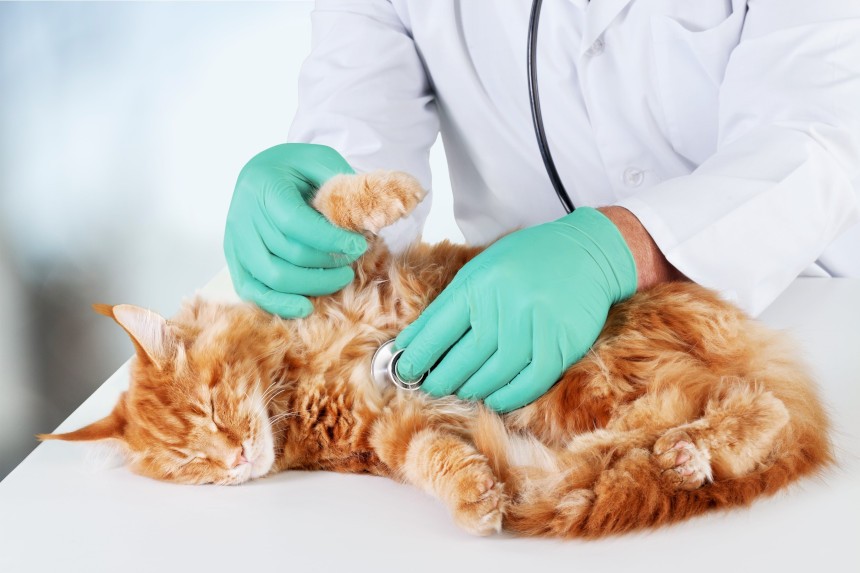
Are you sure this is a fever? How to recognize the fever in a cat?
It must be remembered that cats are extremely sensitive animals and an increase in temperature above the norm does not always indicate fever, so the fever should always be distinguished from hyperthermia. Stress and anxiety manifested by animals in a veterinary office can cause a slight increase in body temperature. Temperature up to 39.4 degrees Celsius can be caused by stress or illness. Almost always relevant body temperature is above 40 degrees. The temperature above 41.7 degrees Celsius is, as a rule, not fever, but primary hyperthermia.
Care
In the case of a fever, the main goal is to return the given value of thermoregulation to the norm. This is possible only with etiotropic therapy (for example, the corresponding antibiotics in the case of a bacterial infection, surgical intervention in the case of pyometers). In patients with fever, catabolic processes prevail, so intensive infusion therapy should be used and sufficient calories should be provided (depending on the cause and necessity, compulsory nutrition, a nasogastric probe, esophagus probe or complete parenteral nutrition). The use of antibiotics should be based on the results of sowing and antibioticogram. The exception is doxycycline, which is an antibiotic of choice in case of suspicion of mycoplasma infection. If the sepsis is suspected, empirical therapy, supplemented by the results of sowing, can be started.
Antipyretic should only be prescribed when the fever persists for a long time, it exceeds 40 degrees Celsius or cannot be reduced by cooling and infusion therapy. Meglumin flilesinate or other non -steroidal anti -inflammatory drugs are well suited for this purpose. Glucocorticoids should not be used until the infectious cause of the fever is excluded. In addition, they can detain (in the case of lymphoma) or difficult to make a diagnosis and, depending on the dose, have an immunosuppressive effect. Nevertheless, they are part of the therapy of most immune problems and almost every protocol for the treatment of lymphoma.
Cat Fever - Summary
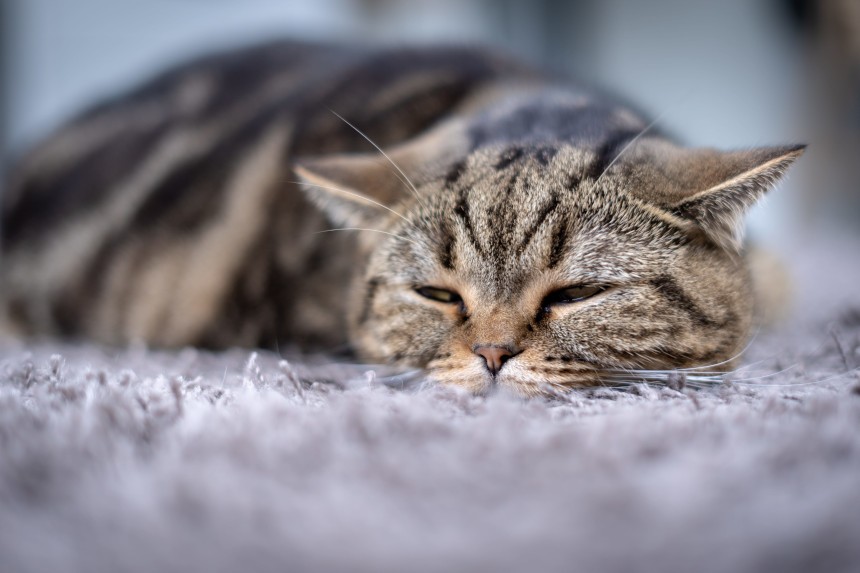
As we can see, a cat’s fever can have many reasons, some of them are banal, others can be a sign of very serious diseases. The most important Search for the cause of high body temperature. Remember that you can not underestimate the fever of your pet and not use the medicine yourself. As soon as you notice that your cat has risen, do not put off and immediately Take him to the nearest veterinary clinic. Early actions and the search for the causes of fever are crucial and can save the life of your four -legged friend.