The third eyelid in a cat - what worries?
A cat's third eyelid is not always clearly visible, so sometimes we don't even realize it's there. However, its tasks are very important for the organ of vision. It happens that it bulges or is marked by changes developing on it. Does his every appearance cause concern? Is this an independent disease or just a symptom of other abnormalities? What can you do and what should you pay attention to?
Content
What is the third eyelid?
There is a small movable structure in the inner corners of cats' eyes. This is the third eyelid otherwise known as flicker. Physiologically, it is almost invisible, but the functions it performs are very important. The third eyelid consists not only of the conjunctiva covering it, but also, and primarily, of the third eyelid gland and numerous lymphatic follicles. The whole is held in the correct shape by a small amount of cartilage.
What tasks does a flicker perform?
The movement of the third eyelid is almost imperceptible, but it occurs every time the cat blinks. This mechanism, of course, represents a mechanical protection of the cornea of the eye, but the tasks of flicker are more extensive. Thanks to the work of the third eyelid gland, the watery fraction of the tear film is produced. It is important to save proper hydration of the eyelids and smoothing of the cornea. Thanks to the aqueous layer, nutrients or antibacterial substances necessary for the functioning of the cornea are transferred, and unnecessary ones are removed. The mechanical function of this fraction, which washes away bacteria, dust and other foreign bodies, should not be underestimated.
The aqueous layer of the tear film combines with the lipid and mucin layers, which are produced by other structures, and is generally evenly distributed over the surface of the eyeball with each movement of the third eyelid.
Also read: When do cats open their eyes? Find out!
What might bother you?
The most common cause of concern is protrusion of the third eyelid, which it looks like the characteristic membrane of a cat's eye. It also happens that the flicker becomes injured or inflamed. You can observe redness, vascular injection, growth or changes in pigmentation.
In every case of unusual appearance of the third eyelid or changes visible in the eyeball as a whole, it is necessary consultation at the veterinary clinic.
Inflammation of the third eyelid in a cat:
Because the conjunctiva is covered by the conjunctiva and is connected to the rest of the conjunctiva of the eye, any inflammation of the conjunctiva can affect the third eyelid. They contribute to conjunctivitis. various factors. To properly counter them, it is necessary to identify them. Many of the problems appear to occur secondary to other ophthalmic changes. These may be inflammatory diseases of the cornea, lacrimal sac, choroid, abnormal structure of the eyelids, proliferative changes that develop and irritate the conjunctiva, dry conjunctivitis and many others.
In cats, we most often deal with inflammation due to infections.
Chlamydial conjunctivitis
The ophthalmological symptoms here are very clear. Not only significant swelling of the conjunctiva is visible, but also its follicular inflammation. In the third eyelid, papules are visible only after opening it, because they are located on the inside. The lesions may be visible only on the conjunctiva of one eye, but usually the other eye is affected within a few days. In addition to ophthalmic symptoms, sick cats also experience slight runny nose, fever and swollen lymph nodes. Targeted treatment is necessary to help the animal and prevent complications.
Viral conjunctivitis
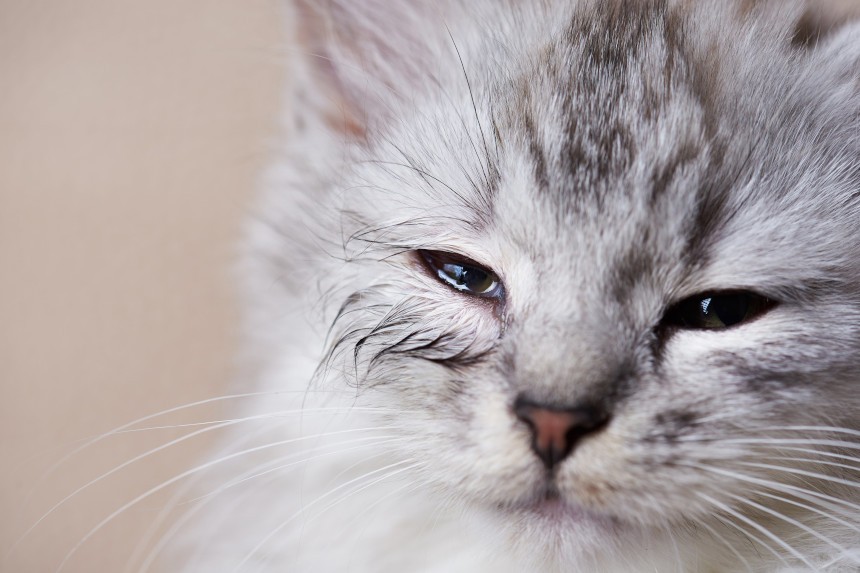
Most often in cats, the herpes virus is to blame, which is responsible not only for changes in the eyeballs, but also for general symptoms. Sick cats are weakened, sneeze, have tired nasal discharge, and all this contributes to a significant decrease in appetite. The conjunctivae themselves very swollen and red. The observed heavy discharge may even have a bloody tint.
Herpesviruses that persist in the body can also cause eosinophilic keratoconjunctivitis. Raised, grooved plaques are then seen on the conjunctiva (including the third eyelid), which may tend to ulcerate.
Parasitic or fungal diseases are definitely less likely to cause inflammation. On the other hand, inflammatory reactions of the conjunctiva after contact with an allergen are more common.
Due to the many reasons that can lead to conjunctivitis, and therefore to the third eyelid, in each case the cat should be examined at the veterinary clinic. The eyes are a very delicate organ. Itching that accompanies inflammation can contribute to further damage to the eyeball. A cat that rubs its eyes or scratches its face should seek professional help as soon as possible.
Clearly visible flicker
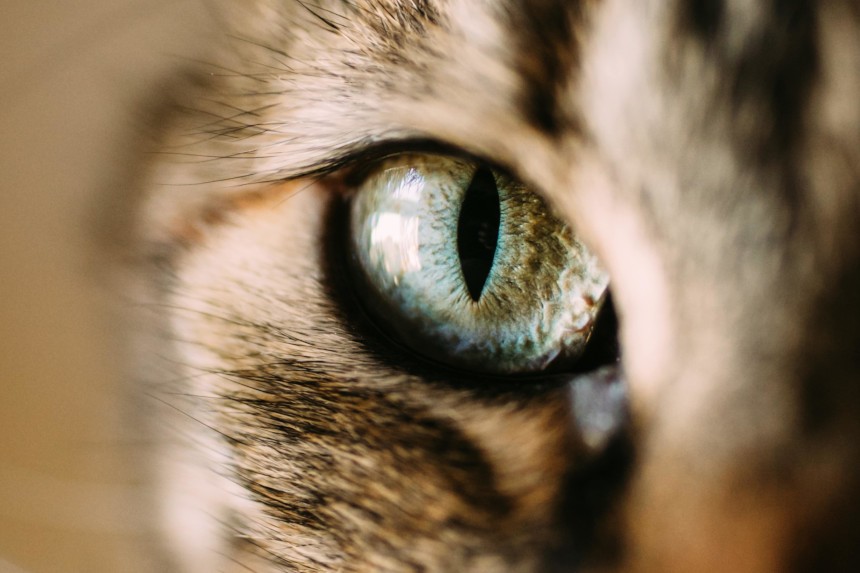
It is not uncommon for cats to have membranes protruding from the inner corner of the eye on a cat's eyeballs. This applies to a greater extent to young free-roaming cats, but not only. We can see the flickering even well-groomed domestic cats. The problem may be short-term, recurring, or persist for a long time.
There are many reasons for a protruding third eyelid in cats. Most often this happens when the animal’s immunity decreases, when it is struggling with other diseases. For example, feline rhinitis, debilitating or chronic diseases can cause the development of mytonia. Another reason may be a neurological problem, proliferative changes in the orbit, or a congenital change consisting in underdevelopment of the eyeball.
It also happens that the eyeball collapses - the reason may be in the min. its disappearance or dehydration of the body. In such cases, the third eyelid is also more pronounced.
Protruding third eyelid in a cat and worms
Yes, this is also possible. Gastrointestinal parasites take away important nutrients from the animal, so they can lead to the destruction of the body, or a general weakening of the immune system.
Will my cat's third eyelid come off on its own?
If the cause is a temporary decrease in immunity, then definitely yes, but any parasitic, inflammatory, allergic or other problems must be properly treated so that the appearance of the eyes returns to normal. However, in the case of developmental defects, this may be a permanent change.
Prolapse of the third eyelid gland
This problem occurs sporadically in cats, but it is possible. When the gland of the third eyelid protrudes from its physiological place and falls out, it is clearly visible as a reddened structure at the inner corner of the eye. Such changes certainly require Immediate consultation with a doctor. The best treatment is surgery. Pharmacological treatment in combination with mechanical drainage of the gland often gives a short-term effect.
Cancerous changes
Even a small structure like the third eyelid can harbor tumors. Many of them are invisible. Sometimes they are small red bumps, sometimes they are larger, grooved lesions, and sometimes they are just lumps. For this reason, examination is necessaryto determine further treatment and prognosis. Typically, neoplastic changes must be removed surgically. However, there are times when chemotherapy is the best solution.
Mechanical injuries
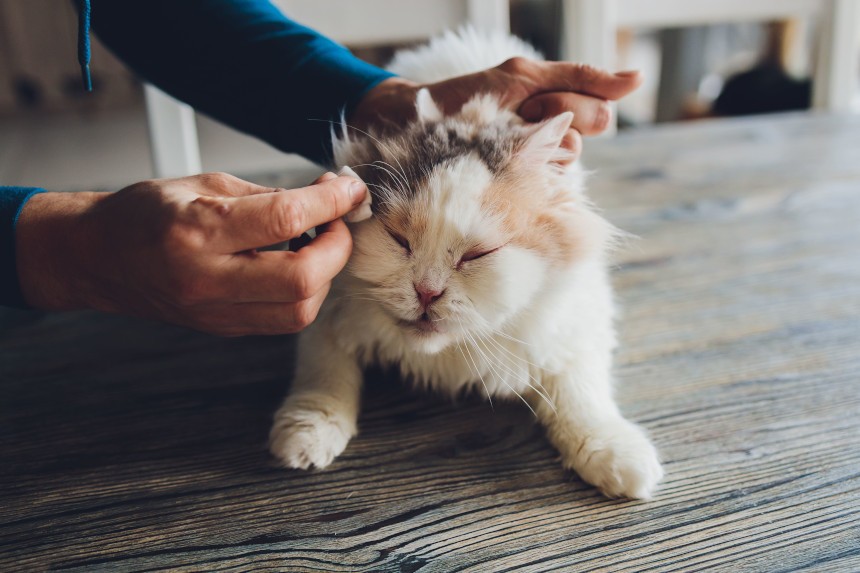
During fights that animals have among themselves, as a result of the action of a foreign body, and sometimes as a result of a traffic accident, the cat's third eyelid may be injured. Treatment in most cases consists of moisturizing and using drops selected by the doctor individually for the needs of the cat. Very important preventing injury from worsening, that is, using a protective collar. However, there are cases where the flicker is severely dissected and requires surgical debridement to heal properly.
What can you do at home?
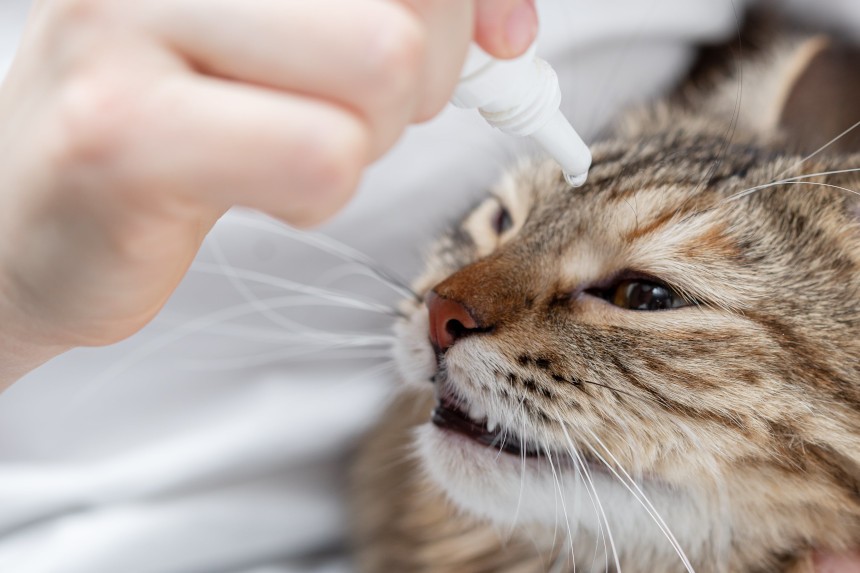
Considering the many reasons that affect problems with the third eyelid, the first thing you need to do is consult a doctor. When we know exactly what is happening, we can respond accordingly. However, in any case, it should be borne in mind that the third eyelid should not dry out. If the wait time for an appointment is long, artificial tear drops will be the most appropriate action. However, these drops should not be used immediately before your appointment as they may interfere with the results of some diagnostic tests.
After consultation, if your doctor prescribes medicated drops, remember to use them regularly. In many cases, it is necessary to avoid friction to reduce the risk of further injury and complications. The doctor then suggests putting a protective collar on your head. Our pet, of course, will not like this, but it will definitely speed up the healing process.
A cat's third eyelid - summary
A cat's third eyelid is invisible on a daily basis, but when sick, it can manifest itself in different ways. Proper treatment does not always focus on the eyes – in many cases, it is necessary to remove another problem that the cat faces in order for the flicker to return to its physiological appearance. In any case, it is worth investigating the reasons for the changes so that in case of more serious problems, you can react early enough.