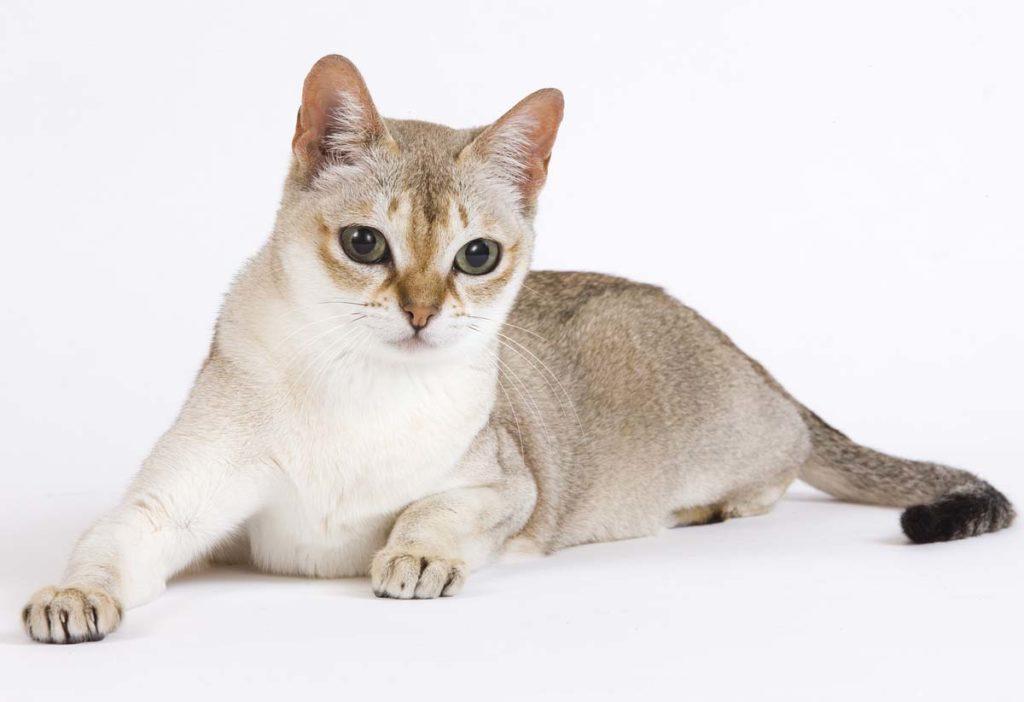
feline diabetes
In the daily care of your pet, it is very important to constantly monitor him and note any disturbing changes in his lifestyle. If you, as a pet caregiver, have noticed warning signs…
Content
It is true that diabetes is one of the diseases that occurs more often in dogs than in cats, but it is still associated with a change in diet, as well as specialized treatment for the animal. It should be remembered that various alarming symptoms can relate to bladder infections and other diseases, such as those associated with kidney failure. Therefore, regular check-ups at the veterinary clinic, including blood and urine tests, should be carried out.
Diabetes mellitus in cats - what is it associated with?
Diabetes is a disease in which a cat's body loses its ability to function normally. This is a condition in which the ability to secrete insulin is (partially or completely) impaired, resulting in hyperglycemia (glucose levels very high, above the upper limit of normal) and an inability to use glucose, fatty acids and amino acids as energy. sources. Among its types, two types can be distinguished: primary (type 1) and secondary (type 2). The least common is type 1, which affects young cats, and type 2, which is much more common in animal populations.
There is no hard and fast rule regarding the age at which the disease can make itself known. Uncontrolled elevated glucose levels can affect both adult and geriatric cats over 10 years of age. The risk also increases in cats after castration. There are also some genetic factors - increased incidence is seen in Burmese or Siamese cats.
Causes of diabetes in cats
The occurrence of diabetes mellitus is most often associated with the depletion of pancreatic cells. This often occurs in obese cats, older cats, and animals with too little physical activity. Other factors include: use of hormonal contraception, history of hyperthyroidism and pancreatitis. Owners should take care of quality nutrition, follow the recommended doses and provide the animal with the necessary amount of exercise daily.
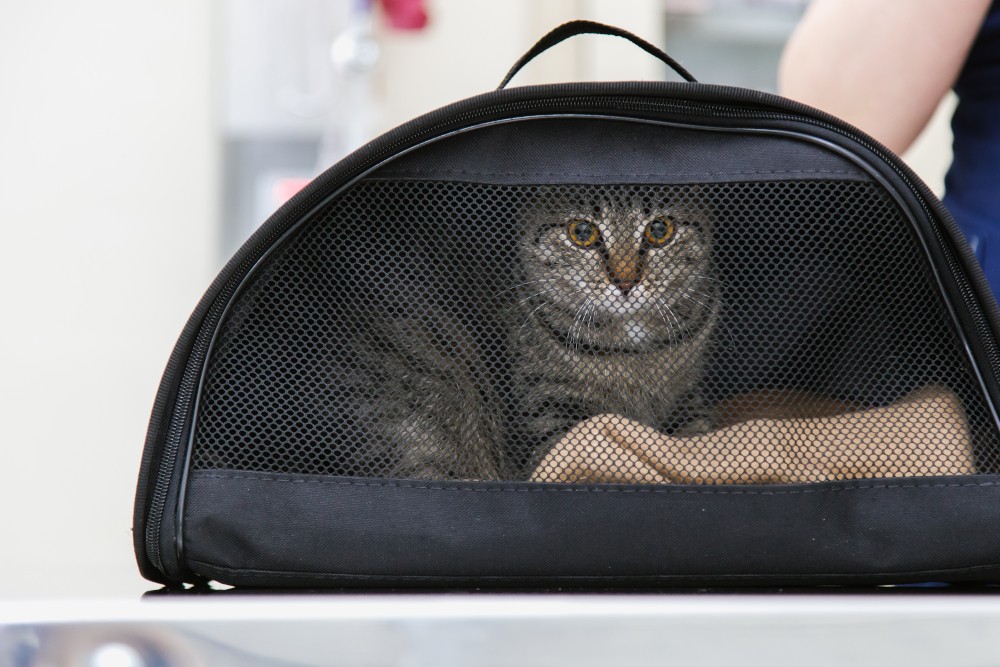
Symptoms of diabetes in cats
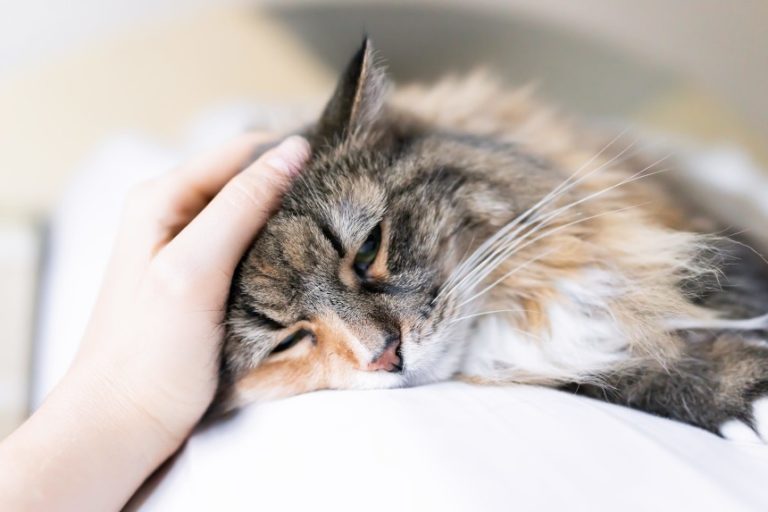
One of the first symptoms indicating the onset of the disease is more frequent visits to the litter box and increased thirst. Dogs suffering from diabetes mellitus have an excessive appetite, which, however, does not cause weight gain. On the contrary, caregivers may notice that the cat becomes smaller and thinner. There may be a loss of muscle mass, as well as a change in the behavior of the animal, which becomes lethargic, reluctant to make contact and does not want to play.
Among the symptoms that appear over time, neurological problems may appear - the cat may move strangely, resting the entire surface of its paw on the ground, or have problems with retracting and extending its claws. The veterinarian should also check for possible weakened reflexes that may accompany so-called diabetic neuropathy.
Treatment for a cat with diabetes
As mentioned earlier, cats most often suffer from type 2 diabetes. However, regardless of the specific type of disease we are dealing with, a detailed diagnosis of diabetes is necessary, as well as offering appropriate dietary support and treatment. First of all, you should start fighting excess weight and obesity, constantly regulate the supply of insulin, and introduce constant monitoring of glucose levels in the blood and urine. It is very important to eliminate the immediate causes of diabetes, such as inflammation of the pancreas.
Proper treatment of diabetes in cats can be multi-pronged. It is worth having a glucometer at home that will allow you to regularly check your blood glucose levels. Your veterinarian should also prescribe insulin in specific doses. When treating diabetes mellitus, constant monitoring of the animal's health is extremely important.
What can untreated diabetes lead to?
For diabetes that is not treated properly, caregivers can expect serious complications, such as:
- fatty hepatosis,
- ischemic optic neuropathy,
- ketoacidosis,
- skin diseases,
- bladder infection,
- retinal damage.
Nutritional support for a diabetic cat
What are the characteristics of an appropriate diet for a diabetic cat? First of all, it is intended to stabilize postprandial glycemia (blood glucose concentration after a meal). Therefore, it is very important to provide a diet with an appropriate glycemic index. Dry dietary food Veterinary Diets Diabetes Management It is low in carbohydrates and helps reduce fluctuations in blood glucose levels.
A properly balanced dose of soluble and insoluble fiber slows down the absorption of simple sugars in the body. Of course, this also has a direct effect on the animal's immune system, i.e. immunity. This is an extremely important issue to remember when treating various types of diseases, not just diabetes.
Diabetes mellitus in cats - summary
Diabetes can appear suddenly and become a serious problem for your future life together with your pet. In addition to the obvious need to follow a specialized diet, you must follow your veterinarian's recommendations. You and he should work together to stabilize your pet's health. Only joint actions can ensure successful treatment. Regardless of the type of diabetes, it is necessary to change the previous poor lifestyle and take comprehensive health care.