Diarrhea in cats after changing food. How to help?
Diarrhea in cats is one of the most common symptoms that cats present to the veterinarian for. It may be harmless and...
Content
What is diarrhea?
Diarrhea means bowel movements with a high water content and with an increased frequency. The stool can vary in consistency from pasty to completely watery. We recognize diarrhea acute diarrhea lasting less than 1 week and chronic diarrhea lasting more than 3 weeks. Acute diarrhea can lead to dehydration, fluid and electrolyte imbalance and acid-base imbalance.
Based on the history and clinical examination, chronic diarrhea is divided into small bowel, colon, or mixed diarrhea. Diarrhea may be accompanied by other symptoms such as vomiting, lack of appetite, gas in the digestive tract, rumbling in the stomach, weight loss, blood in the stool.

Are you sure it's diarrhea after changing food?
If we suddenly switched to a new food and did not let the cat "get used" to the new food, it may react with intestinal problems. These may include vomiting, diarrhea, indigestion, bloating, gas, and rumbling in the abdomen. However, let's remember that this can also be a coincidence and the new food does not harm the cat at allbut something else is happening. The following are the most common causes of diarrhea in cats.
The most common causes of diarrhea
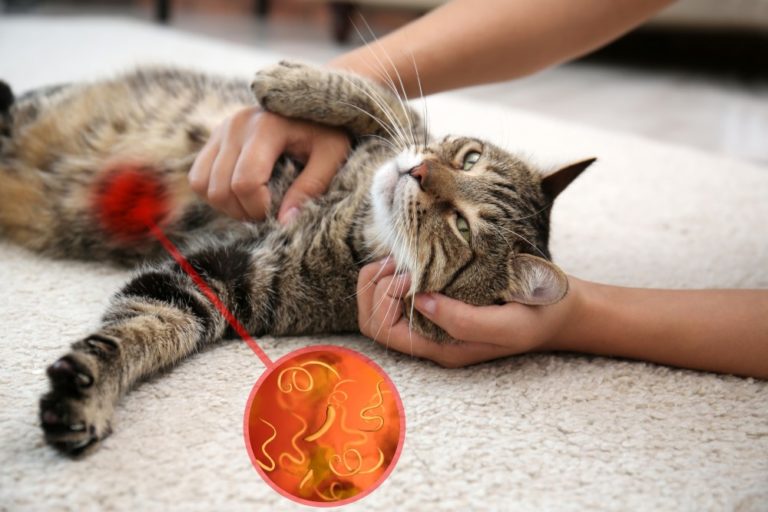
The function of the digestive tract is to digest and absorb nutrients. When digestion is disturbed, food particles remain in the intestines and are fermented by bacteria, which can cause diarrhea. Diarrhea may appear on the background food (rotten food, sudden change of food, overeating, poor quality food, food intolerance), infectious (parasites such as roundworms, tapeworms, giardia; bacteria, viruses), with obstacles (intussusception, foreign body).
This may be caused diseases of the liver, kidneys, may occur with pancreatitis, exocrine pancreatic insufficiency, diabetes mellitus, adrenal insufficiency, hyperthyroidism, inflammatory bowel disease. It can appear as a reaction to certain drugs, toxins, poisoning, or certain types of cancer. As we can see, the causes of diarrhea can be many, sometimes it is difficult to find the root cause, especially in the case of chronic diarrhea.

How to change my cat's food?
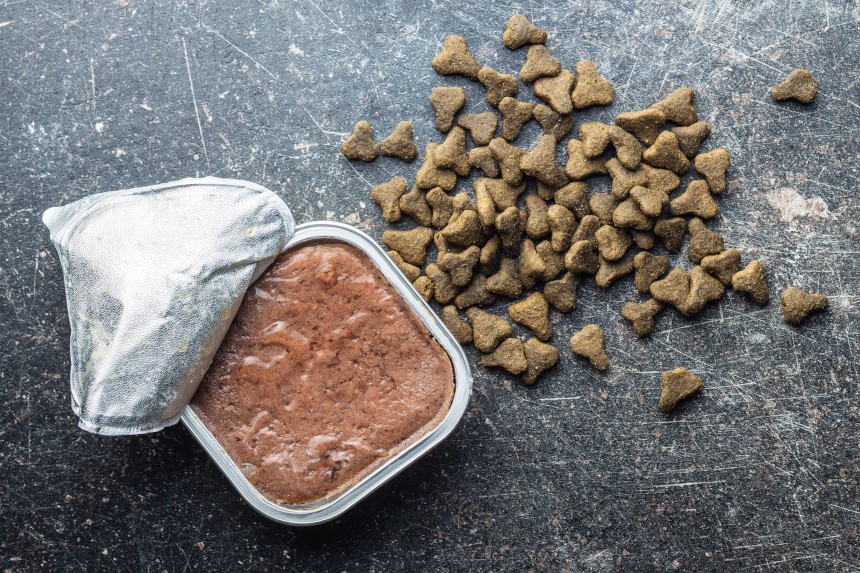
There is a huge selection of cat food on the market today, both dry and wet. There are supportive foods, breed specific, therapeutic, disease-specific, grain-based, grain-free, gluten-free, high-meat, no preservatives, etc. All to meet our cat's unique needs. .
Cats, unfortunately, are quite often picky eaters with the so-called. the shelf is higher, and they are happy to throw themselves at the food bought in the first best supermarket. However, if we want to change our cat's food, we must remember to do it gradually. Changing food to a new one should take at least a week. At the beginning we build on the food our pet has been fed before and gradually add a small portion of the new food (the old food should cover 80-85%, the new food 15-20%). If after this addition of new food the cat feels good and nothing bad happens, we can increase the amount of new food the next day and so on until the new food makes up 100% of our cat's bowl.
Make sure your cat always has access to clean water. Also keep an eye on his appetite, litter and weight during the transition period. These factors are good indicators of his interest in new foods and his overall health.
What if my cat won't eat the new food?
As you know, cats can be very picky about new food. We can use a few tricks to encourage our pet to eat new food. We can add some salmon oil or beef tallow powder, They will certainly make the taste of new food more attractive.
This should also carefully mix the current food with the new one, so that the cat cannot eat only those pieces that she likes. Adding a little warm water to your food may help.
Слегка нагретая пища выделяет больше вкуса и, вероятно, будет более привлекательной для вашей кошки (предпочтительна температура от комнатной до температуры тела — около 37-38°C. Никогда не нагревайте пищу выше 42°C).
It is necessary to establish rules for feeding, i.e. adherence to a fixed meal time and serving dishes in the same place, which will minimize changes when introducing a new diet and thus give the cat a greater sense of comfort.

How to help a cat with diarrhea?
I always recommend veterinary products for animals, registered and intended specifically for them. It is worth having a cat first aid kit at home in order to be able to respond quickly. and give something to the cat before heading to the office. You can ask your veterinarian to prepare several doses of antidiarrheal drugs in the form of a special paste, powder or tablet. However, if your cat has diarrhea and you don't have cat food on hand, you can give her a few medicines from her own first aid kit.
Smecta
A safe antidiarrheal drug often used in children. We can mix a sachet with water and give it to the cat with a spoon. We serve 1 sachet for about 15 kg.
Healing coal
You can use coal, but the doses are very large. For 1 kg of body weight, as much as 1 g should be given, i.e. 1000 mg. Medicated charcoal is recommended for cats with suspected poisoning or bacterial infections, as it binds toxins strongly.
No Spa
It has a diastolic effect on smooth muscles, therefore, in addition to eliminating the feeling of tension in the abdominal cavity, it will “calm down” overworked intestines. The drug can be administered 2-3 times a day at a dose of about 2-4 mg/kg. However, let's remember that these tablets are very bitter, so it is worth wrapping them in something tasty, so that the cat does not feel this unpleasant taste. In this case, it is not recommended to grind the tablets, dilute them with water and give them by mouth in this way. Most cats will salivate when the medicine tastes bitter and most of the medicine will pass out.
probiotics
Intense diarrhea very quickly leads to dysregulation of the digestive tract, removing beneficial bacteria from it, which is why it is very important to introduce the right flora. We can use a human probiotic, but there are much better veterinary probiotics on the market now where the bacterial flora is isolated from the cat's digestive tract, so it will definitely work better for them. If diarrhea does not go away after a day or additional symptoms are added, it is worth taking the cat to the veterinarian.
What to do if diarrhea does not go away after changing the diet?
If after adding 15-20% of the new food our cat has diarrhea and we rule out other possible causes, it is worth returning to the food that the cat ate before. After the symptoms subside, we can try the new food again, but in a smaller amount (5%). However, sometimes it happens that cats suffer from food intolerance and some nutrients are simply not suitable for them.
Important Prevention
Prevention is very important for our cat. Think about regular deworming (for cats that go outside once every three months, for cats that do not go outside every six months), vaccinations against infectious diseases, quality food and regular visits to the veterinarian. It is worth testing the blood and urine of cats once a year, in cats older than 8 years it is recommended to check their health even every 6 months.