How to lose weight for a cat? Practical guide
Obesity in cats is a disease that, if left untreated, can contribute to the development of other diseases such as diabetes or…
Content
How to lose weight for a cat? When should you think about it?
A cat is said to be overweight when its body weight is 15-30% higher than optimal. An excess of more than 30% means obesity. None of these conditions should be taken lightly. Uncontrolled excess weight can very easily turn into obesity, which is a disease.
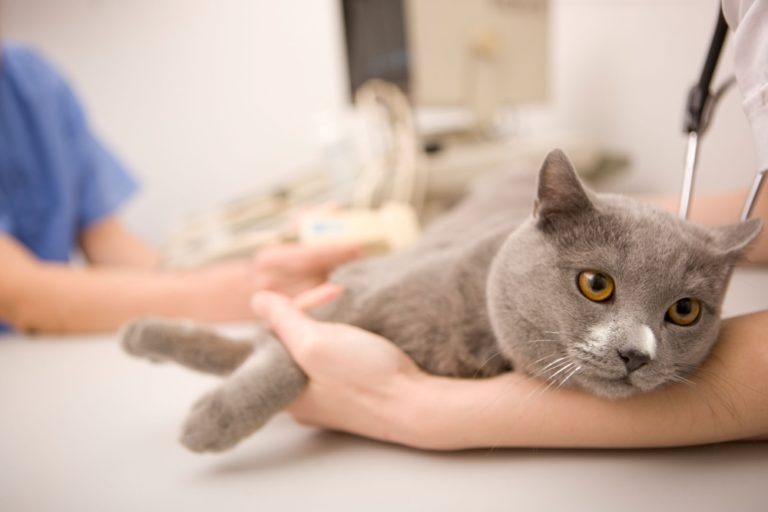
Instead of wondering how to lose weight for a cat using home methods, it is better to play it safe and consult a veterinarian as soon as we are concerned about the appearance and weight of the animal. The specialist will look at the silhouette of the four-legged animal, assess the condition of its body and decide whether the animal needs a special diet.
The veterinarian makes the decision to reduce weight based on the BCS (Body Condition Score), i.e. assessing the condition of the animal's body. It consists of examining the silhouette and palpating (by touch). A plump cat, when viewed from above, is devoid of narrowing “at the waist”, i.e. behind the chest. If you look from the side, there is no tuck in the abdomen, that is, the lower line of the abdomen is equal to, and sometimes even falls slightly below, the lower line of the chest. The ribs can only be felt when pressed. An obese cat, when viewed from above, is clearly wider in the abdominal region, and when viewed from the side, the outline of its abdomen is so low that it optically shortens its paws. The animal's ribs can only be felt with strong pressure or cannot be felt at all.
How can a cat lose weight after spaying or neutering? Why do cats get fat after this procedure?
The consequences of sterilization and castration are changes in hormonal balance. Within a few weeks after the procedure, a new hormonal balance is formed in the cat’s body, which affects its well-being and... appetite. The cat's weight gain during this period is due to an increased feeling of hunger and a decreased ability to metabolize fat. The first few months after surgery are the time when the caregiver must be especially patient and consistent with feeding the cat. You should consider that your pet will have an increased appetite and will often appear hungry even after eating. If we remember to choose the right, ready-made food and encourage the purr to move, in the future we will not wonder how to lose weight for a cat after spaying or neutering.
A very important issue in feeding a cat after surgery is the correct choice of food for the age and lifestyle of the animal. The best choice is complete wet and dry food, tailored to the specific needs of animals after castration. Sterile dry food has a lower calorie content than regular dry food for adult cats, and its mineral balance is tailored to the specific needs of spayed and neutered cats. On the other hand, wet food can be given to your pet just like it is given to adult cats. As a rule, it has about 4 times less calories than dry food and contains much more water, which also supports the functioning of the urinary tract.
What diet should you follow to avoid losing weight?
Overweight and obesity can in most cases be prevented by avoiding dietary mistakes and providing the animal with an appropriate diet adapted to its age and lifestyle. The most common causes of excessive fat accumulation in a cat's body are:
- too high-calorie diet - the animal needs food with a certain calorie content, adapted to its age, size and lifestyle; when he receives portions that are too large in relation to his actual needs, he gains weight;
- low amount of exercise – this mainly applies to domestic cats who do not have the opportunity to exercise; the role of the guardian in this matter is important - the cat must be encouraged to play and accompanied;
- uncontrolled portion of treats - they significantly increase the calorie content of the diet, so their intake should always be under control; food in the form of treats can provide 10% of daily calories; The portion corresponding to the calories of the snacks should be deducted from the main meal.
The recommended diet for all cats, regardless of whether they are neutered before or after surgery, is a mixed diet of complete wet and dry food in a 9:1 ratio by weight of product (with a predominance of wet food). Wet food is usually given in the morning and evening, and dry food during our absence during the day and at night. This is a good solution for caregivers who work outside the home and cannot provide the cat with more frequent meals.
Obesity is a disease that requires specialist treatment. If we suspect that our cat is overweight, we should consult a veterinarian. He will assess the animal’s health (including doing the necessary blood tests) and on this basis will give the guardian precise recommendations on how to lose weight for the cat. The consequences of obesity are health problems such as diabetes, urolithiasis, diseases of the musculoskeletal system, weakened immunity or cancer. It is better to prevent this than to treat it later. Therefore, provide your cat with suitable, complete food in quantities that meet her needs.