How to create comfortable conditions for the life of the sphinx
Sphinxes are unique cats that require special attention to the conditions of content. The creation of a comfortable environment for them is the key to the health, happiness and longevity of the pet. In this article, we will consider the key aspects necessary to ensure the optimal living conditions of the Sphinx, including temperature, hygiene, nutrition and psychological comfort.
Content
Temperature regime
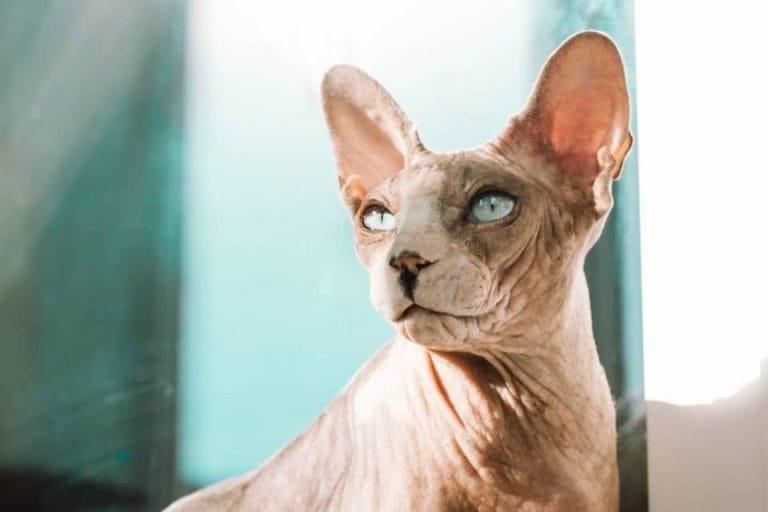
Sphinx cats, characterized by the lack of wool, are faced with special difficulties in creating a comfortable habitat. Unlike their fluffy counterparts, sphinx cats are very sensitive to temperature fluctuations and require careful care of their environment to maintain optimal health and good health. Therefore, the understanding of the nuances of thermoregulation in this breed is of paramount importance for any responsible owner.
Maintaining a constant and acceptable ambient temperature is a cornerstone for caring cats. Due to the lack of the heat-insulating layer of wool, these cats are inclined to freeze even at a temperature that would be comfortable for people or other breeds. Therefore, as a rule, it is recommended to maintain the minimum temperature in the room at the level of 20-24 degrees Celsius (68-75 degrees Fahrenheit). This range helps the cat not to waste too much energy, trying to warm up, which can lead to overwork and weakening of the immune system. To ensure constant heat, think about using a reliable thermostat and regular temperature control, especially in the cold months.
It is important not only to maintain the minimum temperature, but also to avoid sharp differences. Sharp changes can adversely affect the body of a cat and increase the risk of respiratory infections or other health problems. Therefore, when moving from one room to another or even from one room in the house to another, gradual acclimatization is necessary. For example, if you take your sphinx on the street on a cool day, think about putting on a sweater or coat designed specifically for cats to provide an additional insulation layer. Similarly, when you enter a cat into a new room, make sure that the temperature in it is the same as in the previous room before allowing it to be free access.
In addition, the presence of additional heat sources can significantly increase the comfort of your sphinx. Heated beds, blankets or even well -located heating lamps can provide additional heat, especially in the cold season. However, when using these devices, care must be observed. Make sure that beds and heating blankets are designed specifically for pets and have protective elements to prevent overheating. When using heating lamps, follow a safe distance to avoid burns, and monitor the behavior of the cat to make sure that they do not overheat.
In addition to monitoring the external temperature, it is important to consider the internal temperature of the cat. Ensuring access to fresh, pure water is crucial for maintaining moisture, which plays a vital role in thermoregulation. Dehydration can violate the cat's ability to effectively adjust the temperature of his body, making it more susceptible both to overheating and hypothermia. In addition, a balanced and nutritional diet is necessary to provide the energy necessary to maintain normal body temperature. Consult with the veterinarian to determine the suitable diet for your sphinx, taking into account his age, level of activity and general health.
Finally, observing the behavior of your sphinx cat is crucial for identifying possible problems associated with temperature. Signs that you are too cold, they can turn on trembling, searching for warm places, tight folding with a kalachik or lethargy. Conversely, signs of overheating may include rapid breathing, excessive care for themselves or the search for cool surfaces. If you notice any of these signs, immediately take measures to adapt to the environment and consult a veterinarian if the symptoms are preserved or worsening. Carefully controlling and adjusting the ambient temperature, you can provide the comfortable and healthy life of your sphinx cat.
Skin care
A cat-spinx, characterized by the lack of wool, represents unique problems and opportunities when it comes to creating comfortable living conditions. Although the lack of wool in the sphinxes may indicate unpretentiousness in care, their skin requires careful care to ensure their well -being. Understanding the specific needs of the skin of sphinxes is of paramount importance for ensuring their happy and healthy life.
One of the main factors is temperature control. Unlike their fluffy counterparts, the sphinxes are more sensitive to temperature extremes. Therefore, it is extremely important to maintain constant heat in the room. Ideally, the ambient temperature should be maintained within 20-24 degrees Celsius. The provision of warm bedding, such as fleece blankets or heating pillows, can further increase their comfort, especially in the cold season. Conversely, in the warm season, provide them with access to shaded places and cool surfaces to prevent overheating.
For cats of the sphinx, in addition to maintaining temperature, regular bathing is necessary. Their skin emits natural oils, and without wool that could absorb them, these oils can accumulate, which leads to the formation of fat traces and possible skin problems. As a rule, weekly bathing is recommended using soft hypoallergenic shampoo, specially designed for cats. Avoid the use of shampoos for people, as they can be too rigid and deprive the skin of natural oils, which leads to dryness and irritation. When bathing, make sure that the water is slightly warm, and rinse thoroughly to remove all traces of shampoo. Gently blin the cat dry with a soft towel, avoiding severe rubbing, which can cause skin irritation.
After swimming, it is often useful to moisturize the skin. Sphinx cats are prone to dry skin, especially in a dry climate or in the winter months. Applying a small amount of hypoallergenic moisturizer without fragrances specially designed for cats can help restore moisture and prevent dryness. Look for means containing ingredients such as aloe vera or vitamin E, known for their soothing and moisturizing properties. However, it is extremely important to use a moisturizer moderately, since excessive application can clog the pores and lead to skin problems.
In addition, it is very important to protect their skin from the effects of the sun. Sphinx cats are especially susceptible to sunburn due to the lack of wool. Direct sunlight should be avoided, especially during peak hours. If your Sphinx loves to spend time at the windows, think about applying a sunscreen that is safe for pets, to open areas, such as ears and nose. In addition, you can use protective films for windows to filter harmful ultraviolet rays.
In addition to external care, the diet plays an important role in maintaining the health of the skin. A high-quality diet, rich in fatty acids Omega-3 and Omega-6, helps strengthen the health of the skin and wool. Choose cat food specially designed for sensitive skin or containing ingredients such as fish oil or linen seed. Consult with your veterinarian to determine the best diet for your sphinx.
Finally, regular veterinary examinations are necessary to monitor the condition of the skin. Your veterinarian can identify any potential skin problems at an early stage and recommend appropriate treatment. It can also recommend specific skin care products and procedures adapted to the individual needs of your sphinx. Carefully referring to these aspects of skin care, you can provide a comfortable and healthy life to your Sphinx.
Special care
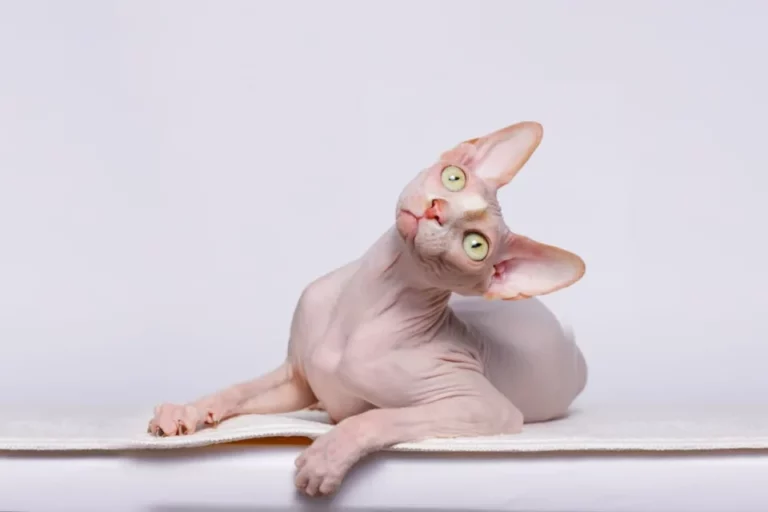
In addition to regulating temperature, the skin of a cat-spinx requires special care. The lack of wool means that natural oils accumulate on the skin, which requires regular bathing to prevent skin problems. It is recommended to use delicate hypoallergenic shampoo, designed for sensitive skin. After bathing, it is necessary to thoroughly dry the wool to prevent chills. In addition to swimming, it is necessary to regularly clean the skin folds, especially around the muzzle and paws in order to prevent the accumulation of dirt and bacteria.
Developmental activities are equally important for the mental and physical well-being of a Sphynx cat. These intelligent and active creatures love companionship and stimulation. Puzzle toys that require your cat to solve a problem to get a treat are a great way to keep their mind occupied and prevent boredom. Likewise, interactive toys such as laser pointers or feather wands provide opportunities for exercise and play. Cat trees with varying height levels and scratching posts provide a safe and stimulating environment for climbing, scratching and observing the world around them.
In addition, social interaction is vital for catcinx cats. They are known for their loving and sociable nature, often forming strong ties with their human companions. If you spend time, playing, hugging and talking with your cat-spinx, this will largely contribute to their general happiness and well-being. If you often visit home, think about starting a second sphinx cat or another suitable breed for communication.
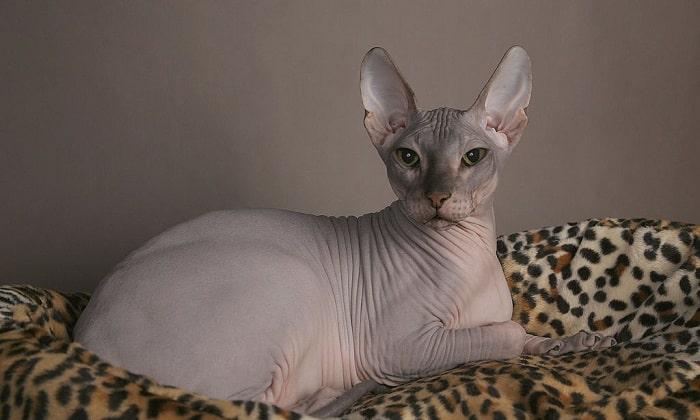
In addition, it is important to provide many convenient places for relaxation. Sphinxes often prefer warm and soft surfaces, so the choice of plush beds, blankets and even sweaters will allow them to choose a convenient place for them. Think about placing these places to relax in different places throughout the house, including sunny corners and quiet corners to satisfy their various preferences.
Sphinxes require heat, hypoallergenic diet, regular skin care and ears, stimulating the medium and attention. Providing these needs will create comfortable and healthy conditions for the life of the Sphinx.