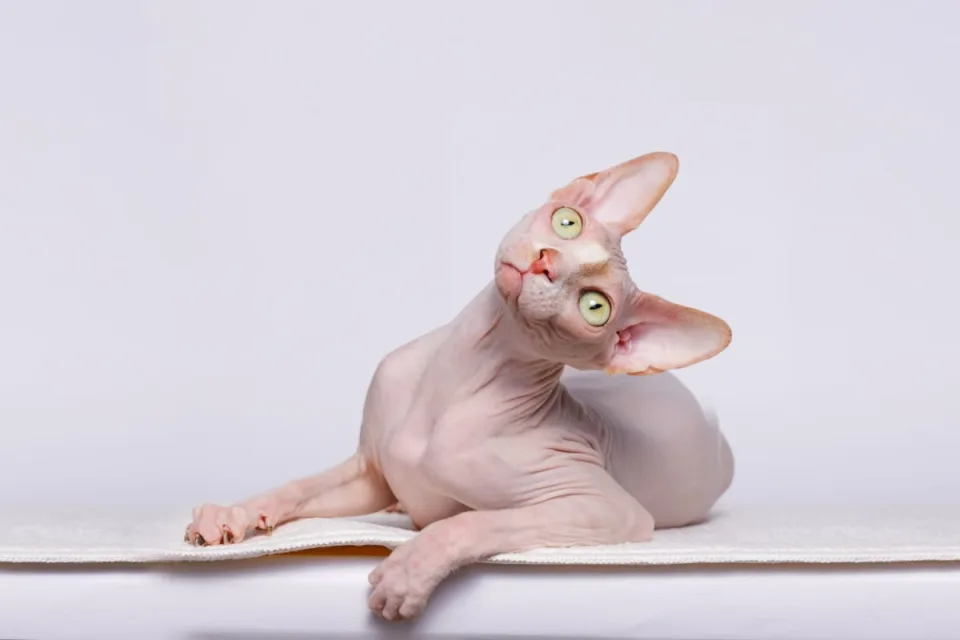
Tumors in the lungs and respiratory tract in Sphynx cats
If you have a cat living in your house, then it’s not a bad idea to know about the insidious disease that can lie in wait for her. We are talking about tumors. Unfortunately, they occur in our pets more often than we would like (but less often than in dogs).
Tumors can appear for various reasons. Among them are modern foods, which often contain a lot of preservatives and unknown chemicals. Sometimes tumors are caused by cancer viruses, which can remain dormant in the animal’s body for a long time. Sometimes a good immune system prevents them from growing. Excellent quality medicines can be purchased at a veterinary pharmacy in St. Petersburg; the quality and price will please you.
But with stress, poor nutrition, various frequent diseases, including infection with worms, these viruses begin to become active and multiply intensively, resulting in the appearance of a new growth.
The causes of this disease can be the cat’s insufficiently active lifestyle, lack (or very little) walks in the fresh air, genetic inheritance, environmental deterioration, etc.
Tumors in our Sphynx cats, like in people, can be benign or malignant. Among them, the most common are lesions of the respiratory tract and lungs (primary and metastatic tumors). The diagnosis is a primary tumor, most often made in cats after twelve years of age, and it is almost always a malignant tumor. Metastatic tumors are those that have spread to the lungs as a result of spread from other affected parts of the body.
If the cat has lost her appetite, there is weight loss and difficulty breathing through the nose, sometimes a cough, then the body temperature rises by one degree, then drops below normal, show it to the veterinarian immediately, because such symptoms are characteristic of these types of tumors. It is worth saying that coughing occurs very rarely in Sphynx cats, and therefore you should not wait for its appearance, postponing a visit to the veterinary clinic.
In addition to these types of tumors, tumors of the nasal part and paranasal sinuses occur in cats, although less frequently. They are accompanied by mucous or bloody discharge from one or both nostrils of the nose. The cat may sneeze or snore at times.
Sometimes the muzzle and mouth may become deformed, and the eyes may bulge. If something like this is noticed, it indicates symptoms of cancer.
Quite rare, but our beloved cats sometimes have tumors in the larynx and trachea. Their signs indicating a malignant tumor are difficulty in inhaling or noisy breathing, coughing; the voice changes, becomes squeaky, hoarse, or is completely lost.
Diagnosis and treatment
To identify a tumor, diagnosis is needed. And the sooner it is done, the more opportunities there are to cure the cat. The diagnostic scheme is standard. It is necessary to examine blood, urine, and do a chest x-ray or nasal scan (if a nasal tumor is suspected). Sometimes, to determine the nature of the tumor, you need to take a puncture from it and perform a biopsy.
Depending on the diagnosis, the veterinary oncologist decides on treatment methods for tumors in the respiratory organs: surgery, radiation and chemotherapy. Or maybe pharmacological correction is enough.
True, a tumor in the lungs, if its form is not advanced, most often requires removal of part of the lung. Well, if it is inoperable, chemotherapy is used - treatment with special drugs that prevent the proliferation and spread of cancer cells, irreversibly damaging them.
For tumors of the nose and paranasal sinuses, sometimes a positive result is achieved with a combination of radiotherapy and chemotherapy, and for tumors of the larynx and trachea - only with radiotherapy.
So don't rush to put your cat to sleep. It's up to you, of course, to decide what to agree with. Just know that miracles happen, and the Sphynx cat can still justify your efforts and expenses.