Characteristics of the sphinx breed
The history of the sphinx breed
So, you have become the happy owner of the Sphinx! These cats with a unique appearance, without wool, undoubtedly attract attention, and it is not surprising that you are interested in learning more about their origin. The story of the Sphinx breed, in fact, is quite interesting and full of unexpected turns.
Content
Contrary to widespread opinion, the sphinxes do not come from ancient Egypt, although their name and appearance, of course, cause associations with this ancient civilization. In fact, the history of the modern sphinx breed begins in Canada in the 1960s. It was then that in the litter of ordinary domestic cats, the first kitten without wool, called a prun, was born. This kitten became the founder of the breed, although its genetic line, unfortunately, was not continued.
However, this is not the end of history. In the 1970s, several more unsteady kittens appeared in Minnesota and Ontario. These kittens, born from ordinary domestic cats, became the basis for the further development of the sphinx breed. It is important to note that the sphinxes are the result of a recessive gene, which means that both parents should carry this gene so that this feature manifests itself in the offspring.
The first attempts to breed the sphinx were faced with certain difficulties. Due to the limited genetic pool and closely related crossing, cat problems had health problems. Therefore, to strengthen the breed and the expansion of genetic diversity, the Sphinxes were crossed with other breeds such as Devon Rex. This made it possible to improve the health and vitality of the sphinx, as well as fix their unique characteristics.
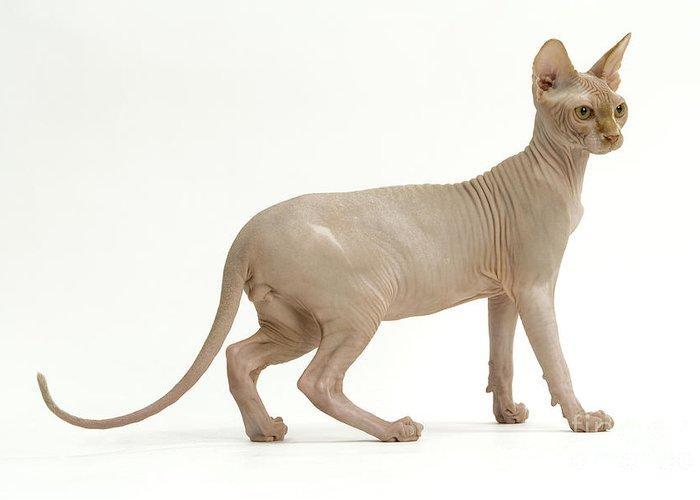
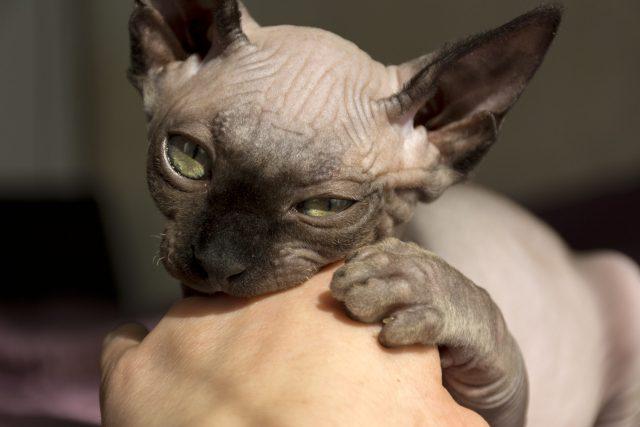
As a result of breeding work, the sphinxes acquired their characteristic appearance: lack of wool, wrinkled skin, large ears and expressive eyes. But, despite the lack of wool, the sphinxes are not completely naked. There is a thin fluff on their skin, which makes their skin velvety to the touch. In addition, the sphinxes have eyelashes and eyebrows, although they can be very rare.
Today, the sphinxes are a popular and favorite breed of cats around the world. They are known for their affectionate, sociable and playful character. The Sphinxes are very attached to their owners and love to spend time in their company. They are also very smart and easy to train.
Thus, the history of the sphinx breed is a story about random mutations, stubborn breeding work and love for unique animals. From the first unsteady kittens in Canada to modern sphinxes, this breed has come a long and interesting way. And now, knowing the story of your cat, you can even appreciate its uniqueness and originality even more.
Characteristics of the sphinx breed
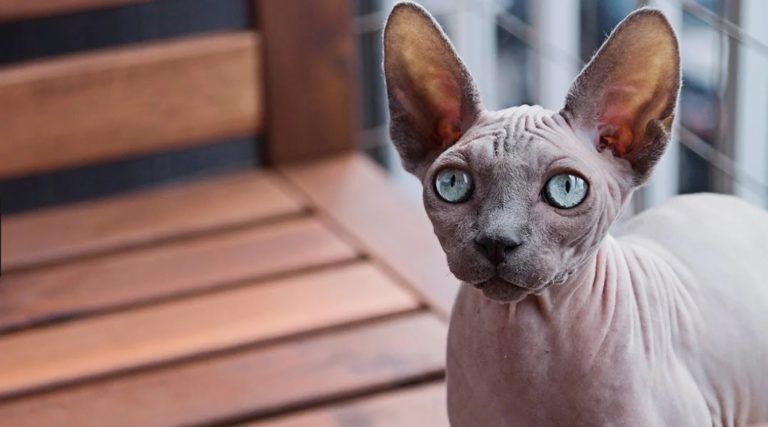
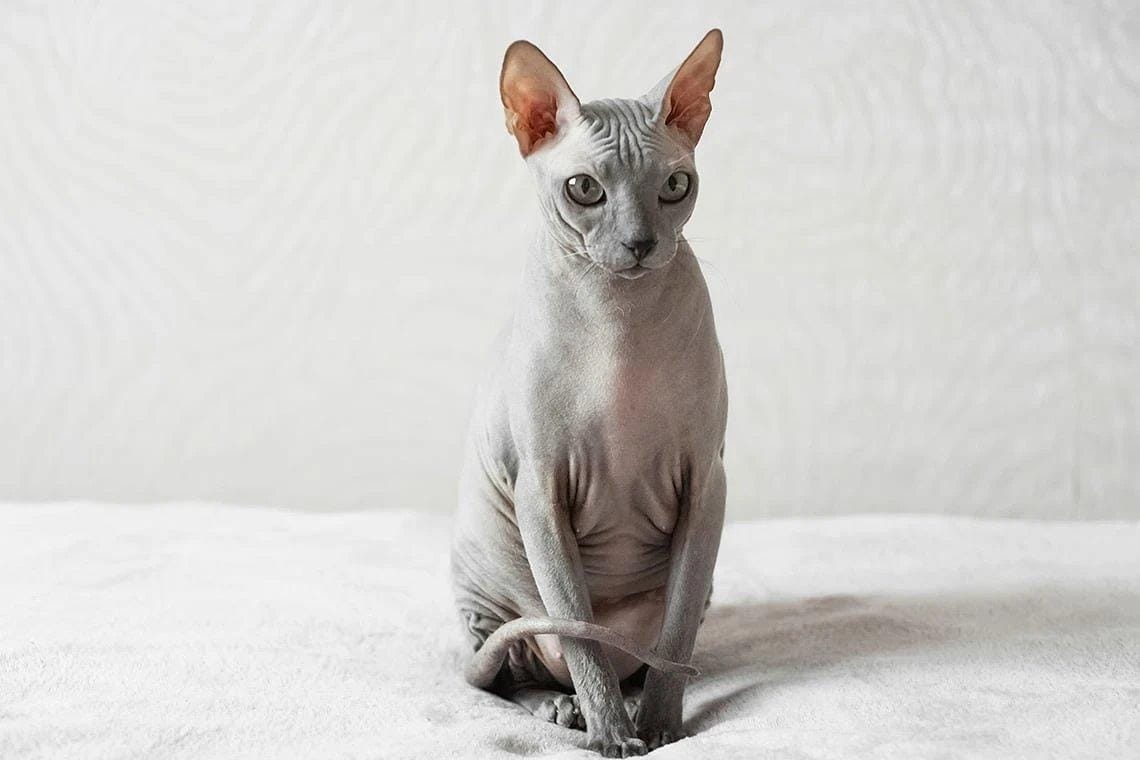
First of all, let's talk about their most noticeable feature: their lack of hair. Although they are often called "hairless cats," Sphynx cats actually have a fine suede-like fluff that covers their body. This fine coat makes them warm to the touch, and many owners describe them as “walking hot water bottles.” However, due to their lack of fur, Sphynx cats are more susceptible to cold and sunlight, so they require additional protection.
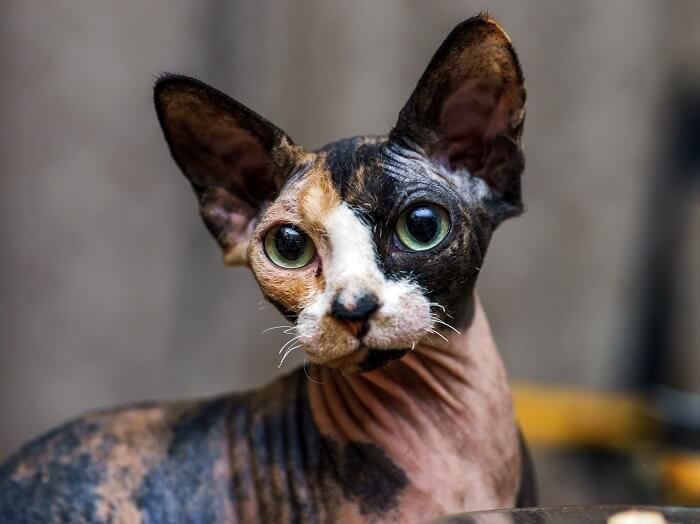
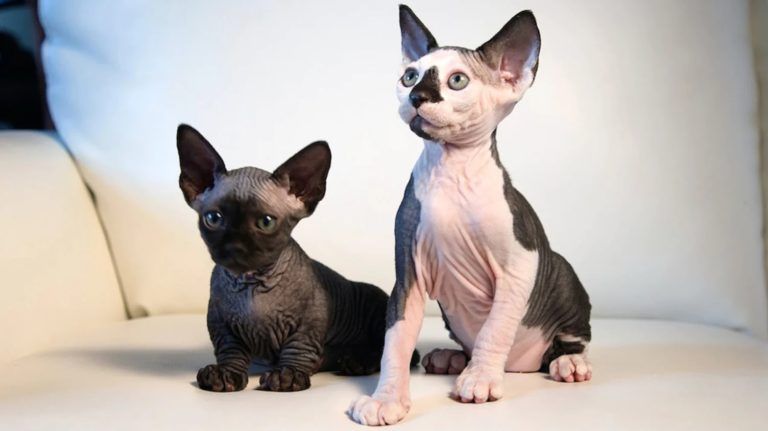
In addition to the lack of wool, the sphinxes have characteristic wrinkles on the skin, especially on the head, shoulders and legs. These wrinkles give them a thoughtful and wise look that only adds charm. In addition, the sphinxes have large, lemon -shaped eyes, which are often bright colors such as blue, green or gold. Their large ears located high on the head are also a distinctive feature of the breed.
In terms of body type, Sphynx cats have a muscular and strong body. They have a broad chest and rounded belly, giving them a slightly “barrel” appearance. Their feet are of medium length, with long, thin fingers that they often use for manipulating objects. The Sphynx's tail is thin and flexible, often with a small tuft of hair at the tip.
However, physical characteristics are only part of the story. Sphynx cats are also known for their sociable and affectionate nature. They are very attached to their owners and love to spend time with them. They often follow their humans around the house, purring and rubbing against them, and may even sleep in bed with their owners.
Moreover, the sphinxes are very smart and curious. They love to play and explore, and they can be taught various tricks. They also get along well with children and other pets, which makes them a great choice for families.
However, it is important to remember that the sphinxes require special care. Due to the lack of wool, their skin needs regular bathing to remove excess sebum. It is also necessary to regularly clean their ears in order to prevent the accumulation of sulfur. In addition, the sphinxes have increased appetite to maintain their body temperature, so it is important to feed them with high -quality food.
Sphynx cats are unique and charming cats with a number of distinctive characteristics. Their lack of fur, wrinkled skin, large eyes and ears, and sociable nature make them truly special. If you are willing to give them the care and attention they need, a Sphynx can be a wonderful companion and bring a lot of joy to your life.
Sphinx
So, you have a sphinx! Congratulations, you have become the happy owner of one of the most unique and charming cat companions. But, in addition to their amazing appearance, it is important to understand that the care of the sphinx is slightly different from the care of other cats of cats. First of all, let's talk about the skin. The absence of wool makes their skin more susceptible to the accumulation of oils and dirt. Therefore, regular bathing is a necessity, not luxury. Most of the owners of the Sphinces find that bathing once a week or once every two weeks is enough to maintain their skin clean and healthy. Use soft, hypoallergenic shampoo, specially designed for cats to avoid irritation. After bathing, dry them thoroughly with a soft towel, as they can easily freeze.
In addition, do not forget about the folds! These charming folds on their skin can become a nursery for dirt and bacteria, if they are not cleaned regularly. Use soft damp cloth or children's napkins without smell to carefully clean the folds, especially around the neck, paws and muzzles. This will help prevent skin infections and preserve your sphinx happy and healthy.
Next, ears. The sphinxes, as a rule, have more ear sulfur than other breeds, due to the lack of wool, which usually helps to filter it. Therefore, regular ears cleaning is an important part of their care. Use a cotton swab and a special solution for cleaning the ears of cats to carefully remove the sulfur. Be careful and do not insert the swab too deep into the auricle. If you notice redness, inflammation or unusual discharge, contact the veterinarian.
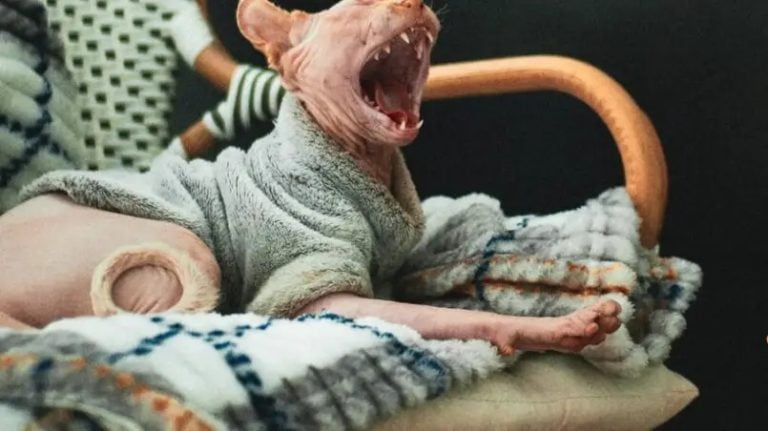
Now let's talk about the temperature. Sphinxes are more sensitive to cold than cats with wool. Therefore, it is important to maintain a comfortable temperature in the house. They love to warm up in the sun or cling to warm places, such as a blanket or even to you! Consider the possibility of purchasing a sweater or cat jackets to warm them in the cold months.
Finally, diet. Sphinxes have a faster metabolism than other cat breeds, so they need more calories to maintain their energy and body temperature. Feed them with high -quality cat food, rich protein and fats. Make sure they always have access to fresh water. In addition, do not forget about regular visits to the veterinarian for preventive examinations and vaccination.
In conclusion, the care of the sphinx requires a little more effort than the care of other cat breeds, but the award is worth it. With love, care and regular care, you can provide your Sphinx with a long, happy and healthy life. Remember that regular visits to the veterinarian are the best way to maintain the health of your cat. Enjoy your unique and loving companion!