How to care for the sphinx: hygiene tips and care
Sphinxes are unique cats that require special care. Their lack of wool makes them vulnerable to temperature changes and requires regular skin hygiene. In this article, we will consider the key aspects of the Sphinx care, including bathing, care for the ears, eyes and claws, as well as the features of the content of these unusual pets.
Content
Care
The basis of sphinx hygiene is regular bathing. Unlike cats with thick wool, the sphinxes need frequent bathing, usually once a week to remove fat discisions that accumulate on their skin. Use delicate hypoallergenic shampoo, specially designed for cats, or even children's shampoo to avoid irritation. Before swimming, make sure that the water is slightly warm, since the catcinas are especially sensitive to temperature. Gently foam the shampoo, paying special attention to folds of the skin and areas prone to accumulating fat, for example, around the paws and ears. Rinse thoroughly to remove all traces of shampoo, since the remains can cause skin irritation. After swimming, carefully blot the cat dry with a soft towel. Avoid intense rubbing, as this can cause skin irritation.
In addition to bathing, regular ears are very important. In cats of the sphinx breed, as a rule, more ear sulfur accumulates than in other breeds, due to the lack of wool in the ears. Use a solution for cleaning the ears approved by the veterinarian, and cotton balls to gently clean the external auditory passage. Never insert cotton swabs deep into the ear, as this can damage the eardrum. Instead, moisten a cotton swab in a cleaning solution and gently rub the remaining wax. If you notice an excessive cluster of wax, redness or discharge, contact your veterinarian, as this may indicate the ear infection.
In addition, nail haircut is an integral part of Sphinx care. Regular nail haircut prevents excessive growth, which can lead to discomfort and potential injuries. Use special cats to cut the nails and cut only the ends of the nails, trying to avoid shoots that contain blood vessels and nerves. If you accidentally cut the growth, apply a hemostatic powder to stop bleeding. If you are not sure of how to cut your cats with your cat, seek advice to your veterinarian or professional Grumer.
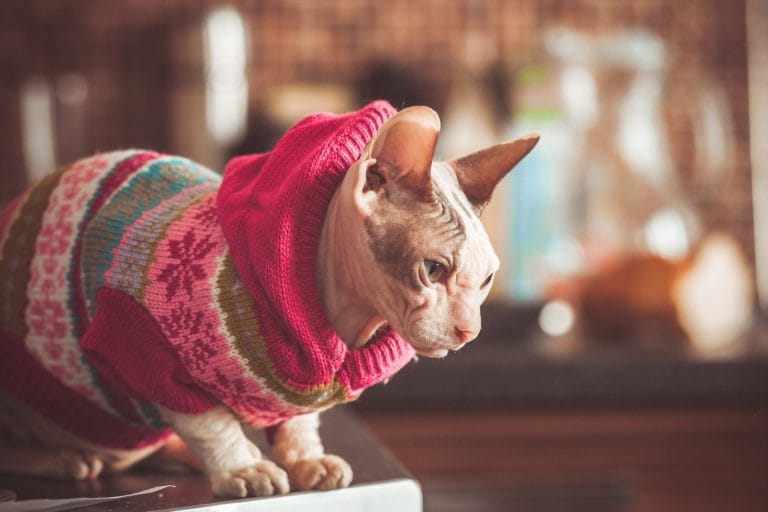
In addition to these main methods of care, take into account the sensitivity of the sphinx to temperature. Due to the lack of wool, they are more susceptible to both cold and solar burns. In extreme weather conditions, keep the sphinxes indoors, and in the cold months, provide them with warm blankets or sweaters. If your Sphinx spends time in the fresh air, apply sunscreen to cats in open areas of skin to prevent sunburn.
Finally, remember that the sequence is the key to successful Sphinx care. The establishment of a regular regime from an early age will help your cat get used to bathing, cleaning your ears and cutting claws. This will not only facilitate the care process for both you and your cat, but will also contribute to their general health and well -being, providing a happy and healthy life for your unique and charming companion.
Bathing
The frequency of bathing depends on the individual cat and its living conditions. Some Sphynx cats produce more oil than others, and those who live in warmer climates may require more frequent bathing. As a general rule, bathing your Sphynx cat once every one to two weeks is usually sufficient. However, monitoring the condition of your cat's skin is the best way to determine an appropriate bathing regimen. If your skin feels oily or you notice a build-up of dirt in your wrinkles, it's time to take a bath.
Before starting work, collect all the necessary accessories. You will need soft hypoallergenic shampoo, specially designed for cats. Human shampoos are usually too hard and can deprive the skin of its natural oils, which leads to dryness and irritation. A soft washcloth, a jug or a cup for rinsing and a large absorbent towel are also needed. It is also recommended to put a non -slip rug in a sink or bath so that your cat can reliably rely on it.
The bathing process itself should be approached patiently and carefully. To begin with, thoroughly moisten the skin of the cat with slightly warm water. Avoid the use of hot water, as this can lead to skin burns. As soon as the skin becomes wet, apply a small amount of shampoo and gently rub it into the skin, paying special attention to wrinkles and folds. Make sure that the shampoo does not get into the eyes and ears of your cat.
After thorough rubbing the shampoo into the skin, completely rinse the cat with slightly warm water. It is very important to remove all the remnants of the shampoo, as they can cause skin irritation. Using a jug or cup, pour the cat with water, thoroughly washing all the areas. You may have to rinse your face several times to remove all the shampoo.
After your cat is completely washed, carefully blot it dry with an absorbing towel. Avoid severe friction, as this can cause skin irritation. Pay special attention to drying wrinkles and folds, since moisture accumulated in these places can lead to bacterial or fungal infections. You can also use a slightly heated hair dryer to dry the cat, but make sure that the hair dryer moves and is not brought too close to the skin.
After bathing, it is important to monitor the skin of your cat for any signs of irritation or dryness. If you notice redness, itching or peeling, consult your veterinarian. In addition to swimming, regular wiping wrinkles and folds with a damp cloth can help prevent the accumulation of dirt and fat. Following these recommendations, you can ensure the health and comfort of the skin of your sphinx.
Nutrition
The feeding of the sphinxes requires a thoughtful approach, taking into account their unique metabolic needs and the lack of wool. These unsteady cats have a higher level of metabolism than their brothers covered with wool, primarily to maintain body temperature. Therefore, they need a diet rich in calories and high -quality protein. The choice of proper nutrition is of paramount importance for ensuring their general health and well -being.
Therefore, choosing a high-quality commercial cat food specifically formulated for indoor cats or cats with high energy needs is a good starting point. Look for formulations that list meat as the main ingredient, such as chicken, turkey or fish. Avoid foods that contain vegetable proteins or fillers, as these are less digestible and provide less nutritional value for your Sphynx. Ideally, the protein content should be above 30%, and the fat content should be about 15-20% to provide the body with the necessary energy.
In addition, the frequency of feeding is important. Instead of offering a child one abundant meal per day, think about dividing his daily diet into several small portions. This helps maintain a constant level of energy during the day and does not allow him to feel a feeling of hunger, which can lead to begging or overeating. Free feeding, in which food is constantly available, as a rule, is not recommended, as this can help increase weight and obesity, especially in less active people.
In addition to dry feed, it is useful to include wet feed in the diet. Wet feed contains more moisture, which is crucial for maintaining hydration and kidney health. Sphinxes, like many other cats, can be subject to urinary tract diseases, and sufficient hydration is necessary for prevention. The combination of dry and wet food can provide a balanced nutrition profile and satisfy their individual preferences.
In addition, it is extremely important to regularly monitor the weight and condition of the body of your Sphinx. Take his ribs; You should easily feel them under a small layer of fat. If you do not feel a cat's ribs or they are too convex, you may need to adjust her diet accordingly. Consult your veterinarian to determine the perfect weight range for your cat and develop an individual feeding plan.
In addition to the main products, think about complementing their omega-3 diet with fatty acids. These indispensable fats contribute to the health of the skin and wool even in bare rocks. Despite the fact that the sphinx cats have no wool, they still secrete skin fat, and omega-3 fatty acids help regulate the production of skin fat and prevent dryness or irritation. Fish oil or linseed oil can be added to food in small quantities, following the recommendations of your veterinarian.
Finally, remember that each cat is individual, and its dietary needs can vary depending on the age, level of activity and general health. Regular veterinary examinations are necessary in order to make sure that your Sphinx receives proper nutrition, and to eliminate any health problems that may affect its dietary needs. Paying close attention to the choice of feed, the feeding mode and the general state of health of the cat, you can provide it with optimal nutrition for a long and healthy life.
Conclusion
Sphinxes require special care, including regular bathing, cleaning the ears and skin folds, as well as protection from the sun and cold. Proper care will provide health and comfort to your pet.