Sphynx kitten care. How to care for Canadian Sphynx kittens and adult cats
Sphynxes, let's face it, are quite eccentric cats, and many flinch at the mere sight of a bald and wrinkled miracle. But in "strangers" ...
Content
Features of Sphynx cats
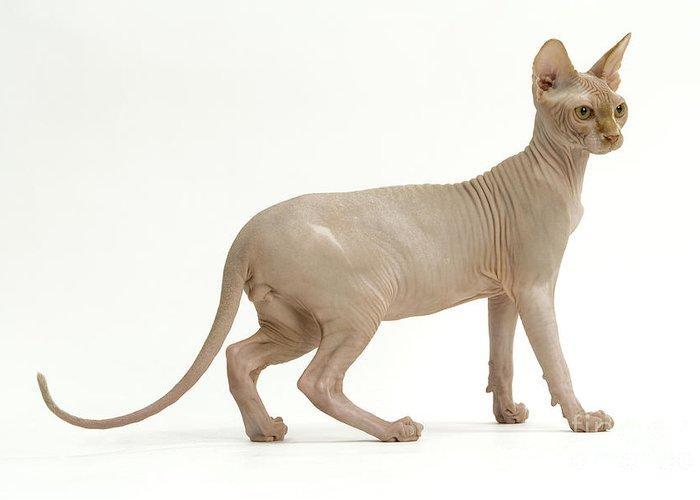
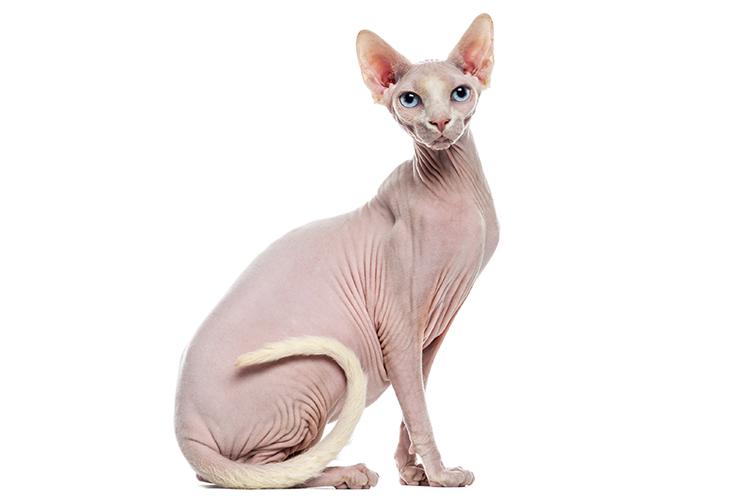
The first rule is complete absence of hair. Although gregarious or bushy animals are found in every hairless breed, most are completely hairless. Therefore, to prevent cats from freezing and catching colds, the temperature in the room should be comfortable - not lower than 22-25°C. Note: flock is a thin, sparse velor-like fluff; brush (from the English brush) - hard short hair with a twisted structure.
In addition, the apartment or house should be free of drafts and dampness (air humidity is 30-60%). If in the off-season it is not possible to maintain the necessary microclimate, take care of additional insulation of the animal by wearing overalls and turning on the heater.
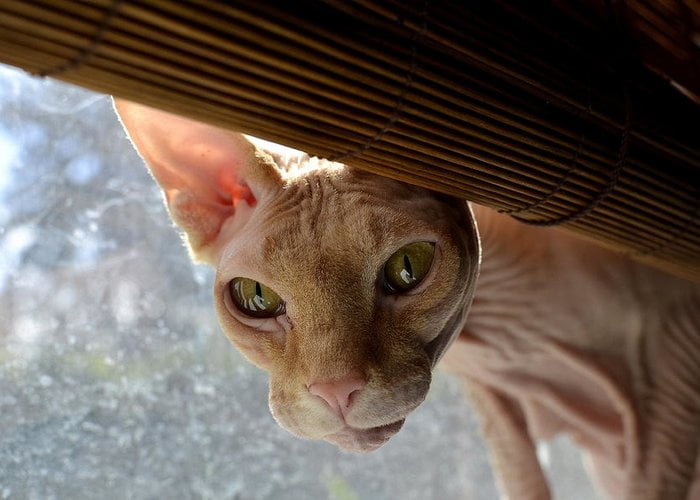
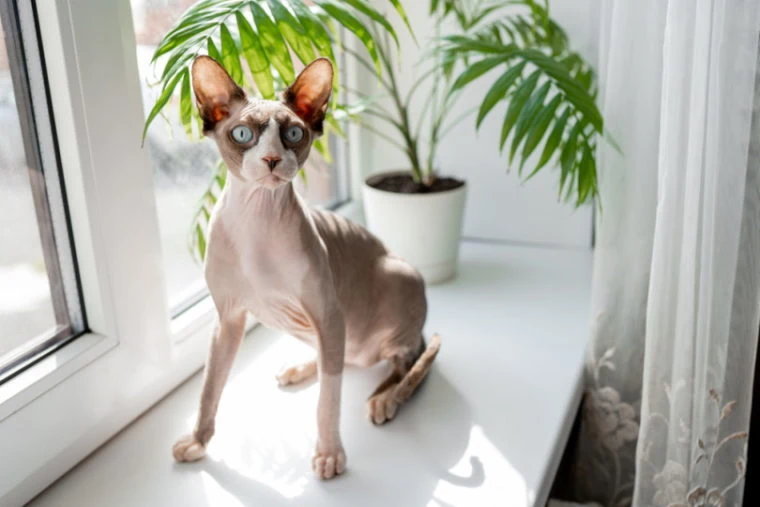
The second feature is the high sensitivity of the skin to ultraviolet rays. If your pet has already been in the sun, for example, lying on the windowsill on a clear day, he will definitely get sunburned and may even get severe burns.
If there is already a pressing problem, it is necessary to alleviate the suffering as much as possible:
- make a water compress, but the water should not be cold so that the animal does not freeze over time and develop pneumonia;
- Ideal for drinking water at room temperature;
- do not use alcohol for a compress - it dries the skin too much;
- temporarily protect the animal from the sun's rays by closing the curtains or blinds;
- treat affected areas of the body with anti-inflammatory and analgesic ointments: Panthenol, Bepanten, Saphroderm;
- introduce vitamin E into the diet, which promotes faster healing of inflammation;
- the same vitamin (sold in pharmacies in the form of capsules for oral administration) can be spread on burned areas.
Excess ultraviolet radiation is not only harmful to the skin, but also negatively affects the general health of the cat: protein metabolism is disrupted, harmful radicals and carcinogens accumulate in the blood, the functioning of the endocrine glands does not change for the better, and sunstroke may occur. It is clear that life on earth is, in principle, impossible without the sun, but sunbathing should be moderate. If your pet tirelessly climbs onto windowsills or is a big fan of the outdoors, then regular human sunscreen will help prevent sunburn.
How to care for a Sphynx
The most important thing in the care and maintenance of sphinxes is to keep their skin clean. The sebaceous glands located on the skin constantly produce secretions, which accumulate on the skin over time, forming a solid brown crust. An unkempt appearance is not so bad, but on top of that you will get a rather smelly pet - the specific aroma cannot be compared to French perfumes. In addition, the skin under the crust begins to itch and become wet, which sooner or later will lead to inflammation and dermatitis. There is only one way out - once it gets dirty (about twice a month). But the procedure must be carried out correctly:
- water temperature not lower than 38 °C;
- A rubber mat is placed at the bottom of the container to prevent the animal from slipping;
- it is necessary to slowly lower the sphinx into the water so that the animal does not receive shock and quickly gets used to the water. Although it should be noted that most representatives of the breed are not afraid to swim and enjoy swimming in the water. Particularly gifted ones even manage to get into the owner’s bathtub when she suspects nothing and is calmly enjoying the spa treatments;
- when the animal gets used to the water, you can start foaming with a special shampoo; very dirty areas are treated with a soft washcloth;
- When washing, water and soap should not get into the ears, eyes and mouth;
- after bathing, the animal is wrapped in a towel that absorbs water well; for these purposes it is better to use terry cloth made of natural fiber;
- wash the body well of excess liquid, which can be done with paper towels;
- waiting for the pet to dry completely, holding it in your arms. If this is not possible, the Sphynx cat is placed at any convenient height (sofa, bed, chair), where there are no drafts, and wrapped in something warm and dry;
- It is undesirable to use a hairdryer: firstly, the animal may get scared, and secondly, the excessively hot air will burn the already sensitive body;
- then the skin is moisturized with baby cream or a special preparation for cats;
- remove moisture from the ears if water suddenly gets there.
In the period between baths, the animal's body is periodically wiped with a damp cloth or napkin, paying special attention to skin folds. But you should not be zealous in this matter: rub hard, and even more so, scrape the cuticle with your nails - the movements should be light, gentle and precise.
The tail is wiped more often - the glands at its root work especially actively, and wax deposits accumulate there faster. Insufficient care for this part of the body can also lead to the appearance of blackheads - they are squeezed out and treated with an antiseptic.
You should also take care of your ears. Due to the notorious lack of wool, they get dirty much faster than their regular fur counterparts. For these purposes, cotton pads moistened with petroleum jelly are used.
Helpful Tips:
- Do not clean your ears with cotton swabs to avoid damaging your eardrum.
- Treat only areas that are clearly visible.
- You should not go deep into the auricle and try to reach hard-to-reach places: this is both painful and unpleasant, and also fraught with serious injury and agitation of wax in the ear.
The lack of eyelashes is another reason to take care of the beautiful and huge eyes of sphinxes. As the scabs grow, or preferably daily, the corners of the lacrimal ducts are carefully wiped with a napkin wrapped around the index finger. At least once a week, the eyes are treated with a decoction of St. John's wort or chamomile. Caring for their teeth and claws is no different from caring for other domestic members of the feline community.
What about nutrition?
You can feed your Sphynx both ready-made food and natural products.
Another breakthrough moment in the care and maintenance of sphinxes. Animals have an increased metabolism, which requires a lot of energy, and therefore food, from which they draw their vitality.
You can feed them with both (no less premium) products designed specifically for bald people and natural products. The health of your pet depends solely on a properly selected diet.
Let's talk about a natural girl (by the way, many breeders recommend this food for sphinxes).
Protein source
- Lean beef or chicken (at least 120 g per day per adult animal), it is better to use boiled meat.
- Bones should not be given - they are useless as a source of nutrients, but can easily clog the stomach and intestines.
- Pork is also harmful, so it should not be included in the diet of Sphynx cats, or indeed any other cats.
- By the way, baby food will be a good alternative to natural meat - it certainly will not contain any harmful additives or unnecessary vegetable protein.
- Once a week or 10 days you can give boiled yolk with fish (up to 200 g), but chicken protein is excluded, since it is not absorbed by the cat’s body. You cannot part with these products, otherwise liver problems will begin.
Source of fiber - boiled vegetables: carrots, beets, zucchini and whatever your Sphynx prefers.
Plant grass or wheat germ on the windowsill - a good source of vitamins and minerals, and these plants are excellent at preventing intestinal diseases.
From milk use curd, sour; natural milk will cause stomach upset.
You need to be accustomed to vegetables from childhood; if this is not done, not a single normal cat will swallow boiled vegetable dirt. You can make eating easier with a simple trick: mix pureed (raw or cooked) vegetables with meat filling. Add a few drops of sunflower oil to the finished dish.
Let's sum it up natural nutrition Sphynx cats:
- daily consumption rate 30-60 g/kg;
- meat and fish make up two-thirds of the total diet;
- one third comes from all other products in approximately equal proportions.
How to care for Sphynx kittens
It is better to buy a kitten at three months of age - a pet that is too small will create a million unnecessary problems. By that time, he will get used to the tray, will eat on his own and will be a completely independent kitten, and parting with his mother will be painless.
The breeder must provide recommendations or instructions for care, feeding and maintenance. In any case, it is necessary to maintain contact with him in order to receive qualified answers in case of unforeseen situations, rather than looking for a solution on the Internet.
They will find out what the baby was fed - a sudden change in food will lead to upset of the digestive system - and what vaccinations were given, what else needs to be done and when.
In principle, keeping kittens is not much different from adult animals, but there are some nuances:
- six meals a day for up to six months;
- three times a day – up to 9 months;
- then feed 2 times a day;
- getting used to bathing and other hygiene procedures.
If you follow all the rules for care and maintenance, the pet will live long and happily, delighting its owners with a cheerful disposition and excellent health.
The Sphynx cat breed has an unusual appearance. For this reason, many people do not like Sphynx cats. In fact, they are very kind and devoted to the animals of their owners, and have a special intelligence and understanding.
A person who has tried to communicate with a sphinx will definitely want such a kitten. But before buying, you should understand the basic rules for caring for such a pet. They are different from keeping regular cats.