Canadian and Don Sphynx: differences and choice of breed
The Canadian and Don Sphynx, as well as the Peterbald, differ radically in origin, genetics and skin type. Canadian Sphynxes owe their appearance to a natural recessive mutation, Don Sphynx cats owe their appearance to a dominant mutation, and Peterbalds are obtained by crossing Don Sphynx cats with Oriental cats. Choosing a specific breed depends on your experience, willingness to take care of your skin, and temperament preferences.
Content
How can you understand at first glance who is in front of you: a Canadian, a Don Sphynx or a Peterbald?
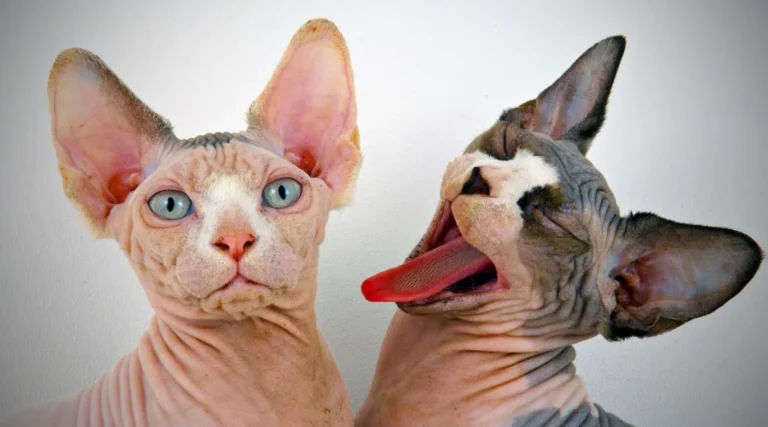
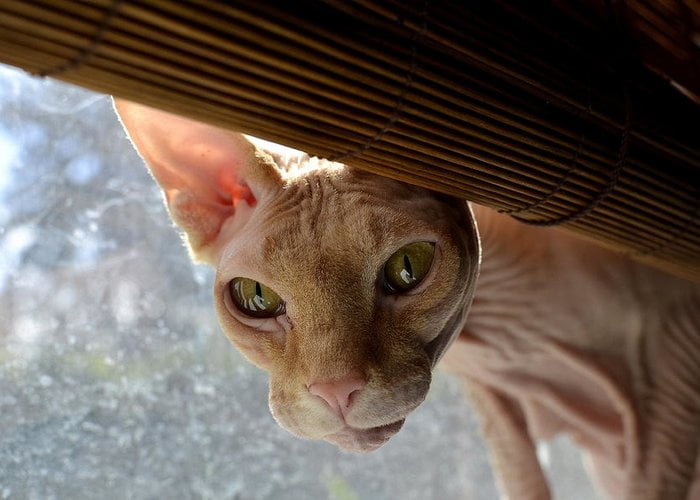
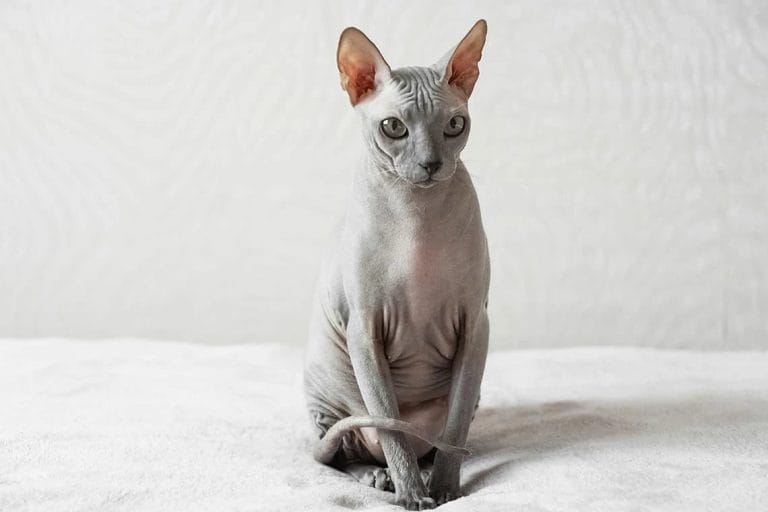
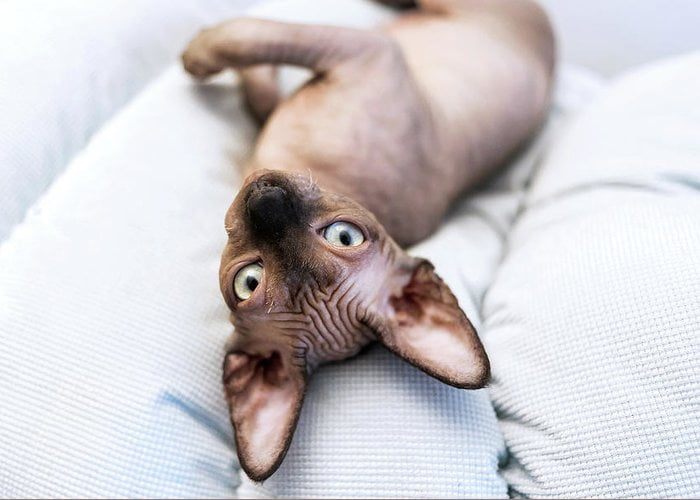
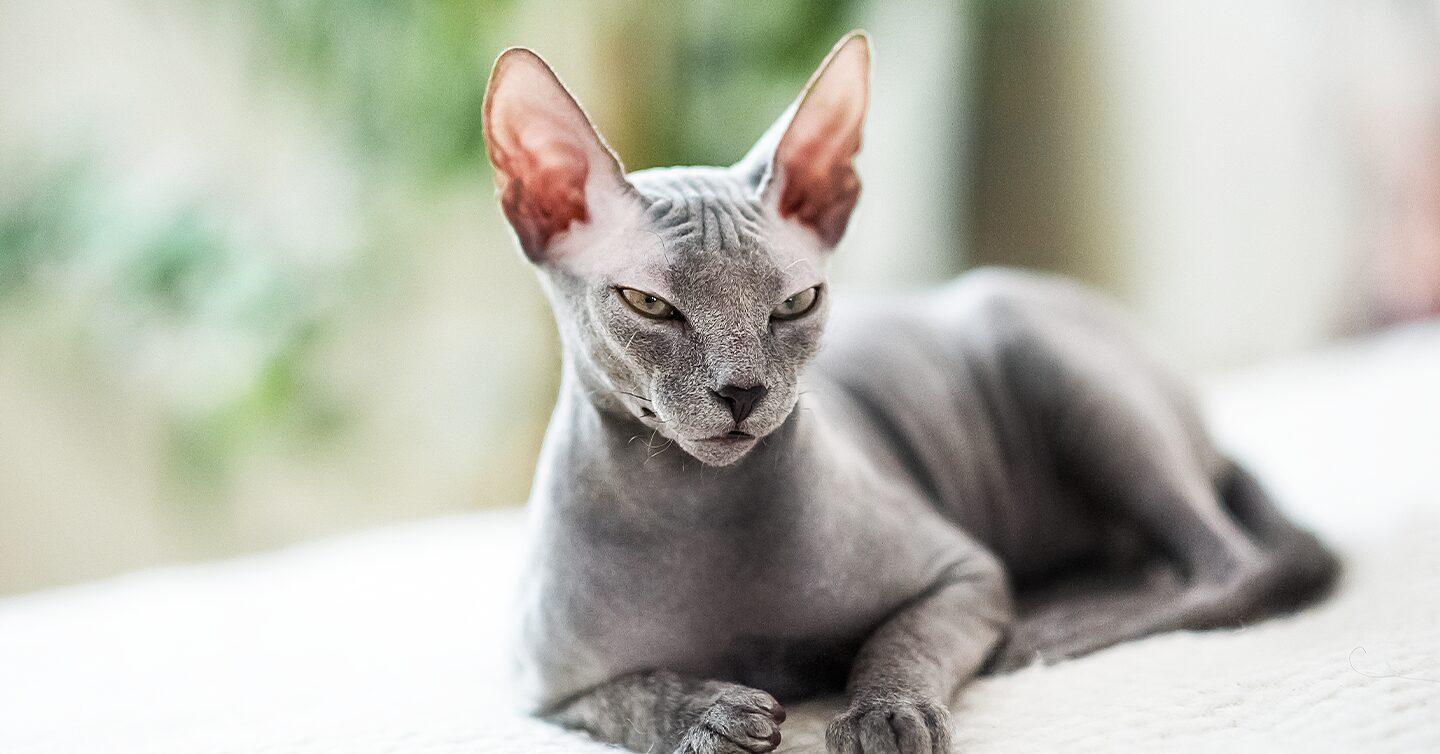
The main visual difference between the three breeds lies in the shape of the head, body structure and facial expression. The Canadian Sphynx is recognizable by its lemon eyes, folded muzzle and pear-shaped body, while the Don Sphynx has a more massive bone structure and rounded eyes. The Peterbald is an elegant, sophisticated oriental cat with a long muzzle, huge spread ears and a slender body.
The anatomical features of the three hairless breeds directly affect their appearance and standards:
- Canadian Sphynx: wide chest, slightly arched back, heavy tail with a “lion tassel” (sometimes), skin feels like a peach or suede.
- Don Sphynx: strong bones, straight back, strong paws, pronounced folds on the neck and groin, the ability will be divided according to the type of skin.
- Peterbald: long muscular body, wedge-shaped head, straight profile, long whip tail, graceful gait.
What are the features of wool and leather: brush, velor, flock and bare-brown types?
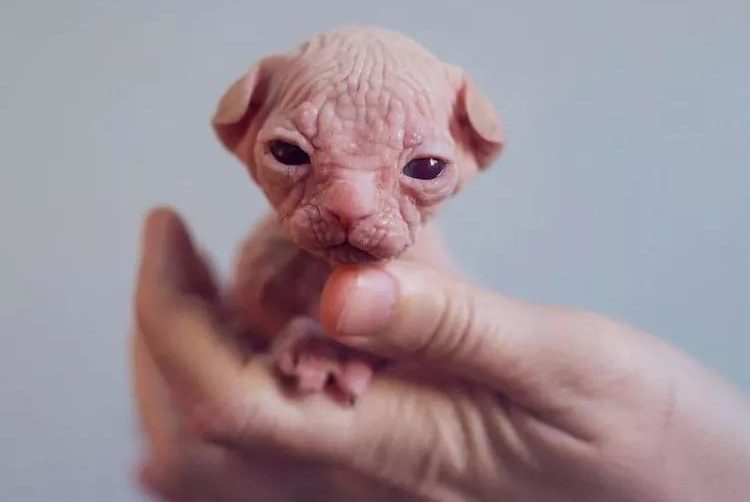
The concept of “complete absence of hair” does not exist in hairless cats: all three breeds can be born with varying degrees of rejuvenation. The types of hair brush, velor, flock and complete homozygous hairlessness determine the rules of care and hygiene of the animal.
The genetics of hairlessness creates unique skin that requires regular wiping with wet wipes due to the release of a protective secretory layer (sweat and sebum).
| Wool/skin type | Description of the cover | Features of care | Breeds |
|---|---|---|---|
| Holoborn (elastic band) | Complete absence of hair from birth, the skin is hot, sticky, with an abundance of folds. | Weekly bathing with a special shampoo, daily hygiene of the ears and folds. | Canadian, Donskoy, Peterbald |
| Flock | Short soft fluff (up to 2 mm), feels like a ripe peach. There is no undercoat. | Most often, the fluff disappears by the age of 1–2 years; standard hygienic care is required. | Canadian, Donskoy, Peterbald |
| Velor | Longer hair (up to 5 mm) on the paws, muzzle and tail, the rest of the body is covered with sparse velvety down. | Combing is not required, control over the cleanliness of the skin is important. | Don Sphynx, Peterbald |
| Brush | Coarse, crimped or sparse hair throughout the body, possible “bald patches” on the head and back. | They often have an intermediate shedding gene, do not participate in shows in the highest classes, and require careful combing. | Don Sphynx, Peterbald |
What is the character of the Peterbald, Canadian and Don Sphynx?
Peterbalds are distinguished by high activity, “canine” devotion and talkativeness, inherited from Orientals. Canadian Sphynxes are more phlegmatic, affectionate and focused on tactile contact with humans, while Don Sphynxes combine independence and strong attachment to home.
The choice of temperament depends on your rhythm of life:
- Peterbold suitable for those who are looking for an energetic companion, ready to participate in all household chores and does not tolerate loneliness.
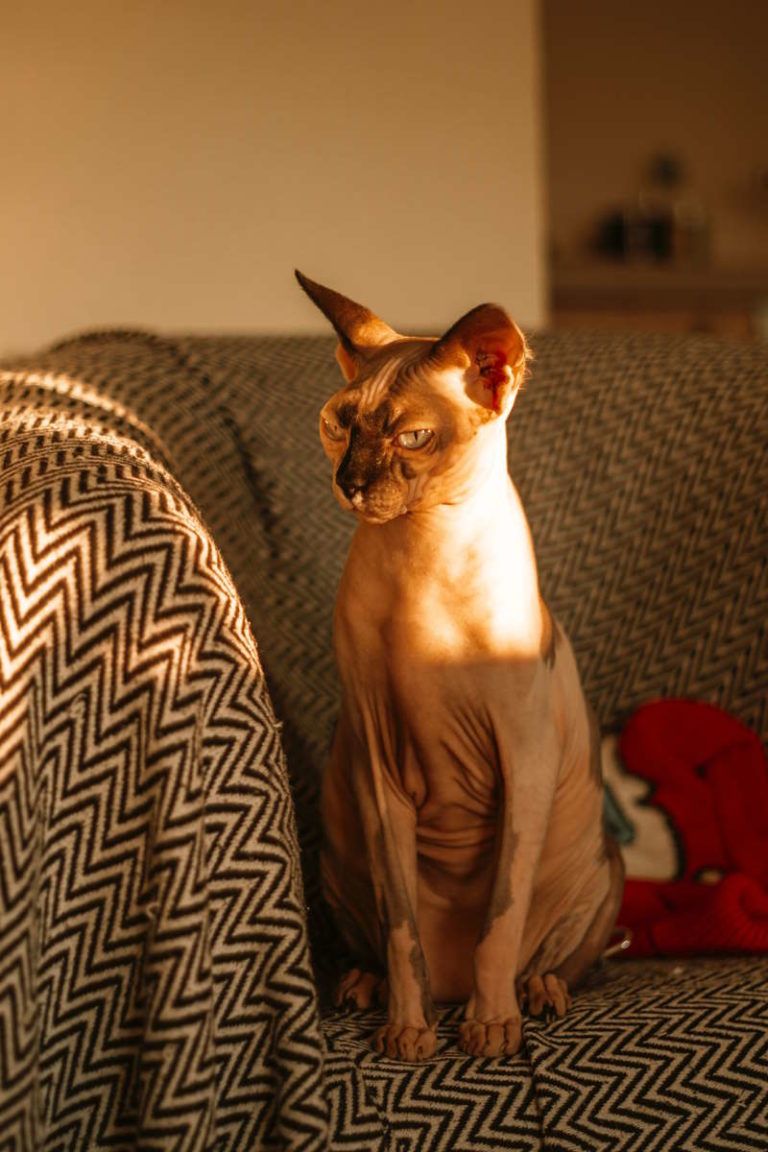
- canadian sphynx will be the perfect sofa pet that will seek your body warmth and sleep under the covers for hours.
- Don Sphinx will show a balanced disposition: he is curious, intelligent, but at the same time less intrusive than the Peterbald.
How to care for your Sphynx's skin and when to sound the alarm?
Caring for hairless cats includes monitoring the room temperature (the norm is 22–25 °C), protection from sunburn and regular skin cleansing. Due to the lack of hair, the sebaceous glands work intensively, leaving marks on the furniture and requiring the attention of the owner.
Medical markers of health status:
- Norm: warm skin, moderate secretion of brownish secretory plaque in the ears and body, good mood, excellent appetite.
- Not the norm: the appearance of blackheads (acne) on the chin, peeling, severe redness after the sun, oily seborrhea with a pungent odor.
- See a doctor urgently: lethargy, refusal to eat, sudden skin rashes with exudate, body temperature above 39.2 °C or below 37.8 °C, itching and scratching until blood bleeds.
Checklist for the future owner: which sphinx to choose?
- Assess your readiness for cleaning: Sphynx cats leave traces of sweat on light-colored surfaces.
- Make sure there are no drafts in the house - hairless cats get cold easily due to the lack of thermoregulation by their fur.
- Choose a breed based on temperament: Peterbald for activity, Canadian for maximum tenderness, Don for the golden mean.
- Check if the kitten is vaccinated, registered in the club and trained to use a tray (the age for moving to a new home is no earlier than 12 weeks).
FAQ
Which Sphynx is best for a family with small children?
Канадский сфинкс считается наиболее терпеливым и флегматичным вариантом для семей с детьми, так как он обладает мягким нравом и реже проявляет агрессию при неосторожном обращении. Петерболд слишком активен и хрупок по своему восточному типу телосложения, а донской сфинкс может постоять за себя, если ребенок перейдет границы дозволенного.
Is it true that Sphynx cats are hypoallergenic?
Нет, это распространенный миф. Аллергию у людей вызывает не сама шерсть, а белки Fel d 1, которые содержатся в слюне, моче, сальных и потовых железах кошки. Поскольку сфинксы обильно выделяют секрет через кожу и часто облизываются, они могут вызывать даже более сильную аллергическую реакцию, чем обычные кошки.
Do you need to dress your Sphynx in winter?
Да, из-за отсутствия шерсти и пониженной теплоизоляции кожи сфинксы сильно мерзнут при температуре в помещении ниже 20 °C. В холодное время года или в межсезонье до включения отопления им требуются специальные мягкие свитера и комбинезоны из натуральных тканей, защищающие от переохлаждения.
How do the Canadian and Don Sphynx differ at the genetic level?
Главное отличие заключается в типе мутации гена бесшёрстности. У канадских сфинксов этот ген является рецессивным (для получения голого котенка оба родителя должны нести этот ген), а у донских сфинксов — доминантным (достаточно, чтобы один из роди