The Sphynx has a tan and freckles: why does the cat darken?
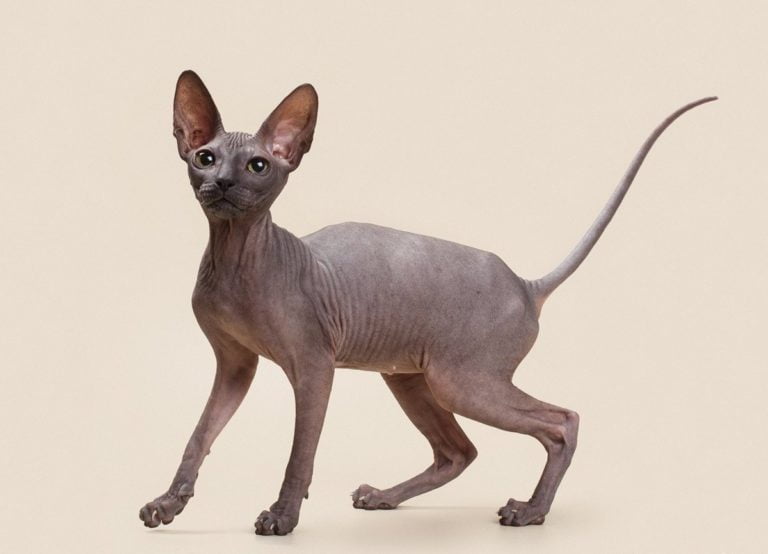
Sphynx cats darken and become covered with freckles when exposed to ultraviolet light, as melanin is actively produced in their bare skin. This process is natural for Canadian, Don Sphynxes and Peterbalds, but requires strict control of time spent in the sun to avoid burns.
Content
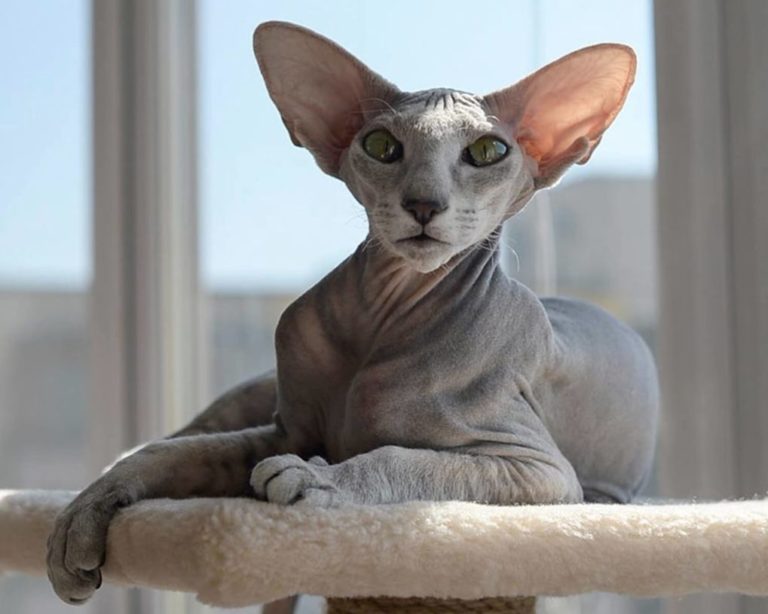
Over the past 10 years of working as a felinologist, I regularly hear panicked owners: “My white cat has turned into a spotted leopard!” or “The cat has sunburned spots, is it ringworm?” Hairless cats have a unique epidermis that reacts to sunlight in the same way as human skin. Let's figure out why the Sphynx tans, when pigmentation in the Sphynx is considered normal, and when it is worth urgently running to the veterinarian.
Why does the Sphynx change color and darken with age?
Color changes in hairless cats are associated with a genetic predisposition to pigment accumulation and activation of melanocytes under the influence of heat and light.
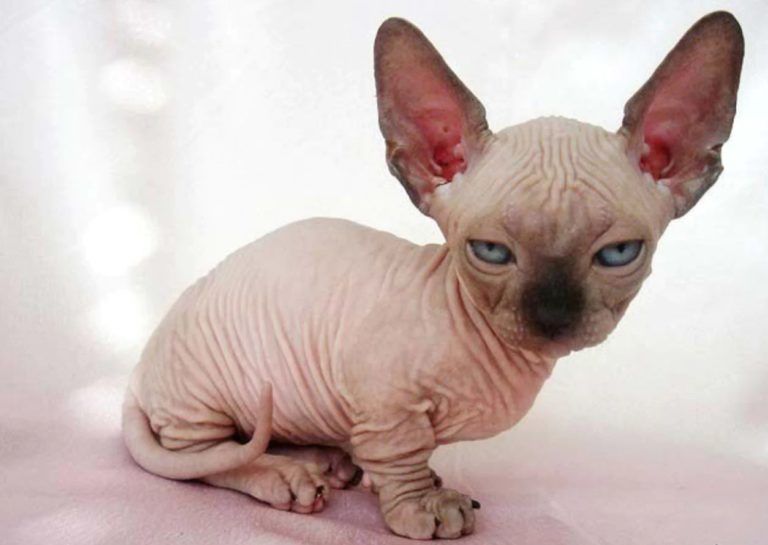
Kittens are born light-colored, and gain their true pigment by the age of 1–2 years. The process is influenced by three main factors:
- Ultraviolet: When Sphynx sunbathing on the windowsill, his skin produces a protective dark pigment.
- Ambient temperature: a heat-sensitivity gene (as in Siamese cats) causes the prominent parts of the body - face, paws, tail and back - to darken in cooler months.
- Hormonal background: During estrus or after castration/sterilization, metabolism changes, which can cause local darkening of the skin.
How to distinguish a safe tan from dangerous pigmentation?
A safe tan is distributed evenly over the body or appears in the form of symmetrical freckles, and pathological pigmentation is accompanied by itching, peeling and inflammation.
To make it easier for you to navigate, I have compiled a detailed table of the differences between normal age-related and solar changes from dangerous dermatological symptoms.
| Parameter | Normal tan and freckles | Pathology (burn, dermatitis, melanoma) |
|---|---|---|
| Localization | Back, nose, ears, protruding points of the body | Abdomen, groin, armpits (unprotected areas) |
| Appearance | Even golden/chocolate tone, clear freckles | Blisters, weeping wounds, black raised plaques |
| Skin condition | Smooth, warm, no signs of pain | Hot, painful, peels off in patches |
| Cat behavior | Active, normal appetite | Lethargic, itchy, licks the affected area |
How long can a Sphynx stay in the sun?
The safe duration of sunbathing for a hairless cat is no more than 15–20 minutes in the morning (before 10:00) or evening (after 17:00).
An ultraviolet index (UV index) above 4 units is deadly to the unprotected skin of Sphynx cats. If your pet likes to sleep in the sun, use the following prevention rules:
- Protect your windows with special UV film.
- Do not allow your cat to lie in direct sunlight during peak sun hours (11:00 am to 4:00 pm).
- Use veterinary sunscreens (brands Dermoscent, Burt’s Bees for Pets with an SPF factor of at least 30, without zinc oxide).
When are changes in skin color a reason to urgently consult a veterinarian?
An urgent visit to a dermatologist is necessary if pigment spots begin to grow rapidly, change shape, bleed or crust over.
Remember the warning signs:
- The appearance of asymmetrical black spots with jagged edges (risk of melanoma).
- Redness of the skin turning into blisters (2nd degree sunburn).
- The appearance of ulcers against the background of darkened areas.
- Severe itching: the cat scratches the darkened areas until they bleed.
FAQ
Why does the white Sphynx have black spots on its nose and lips?
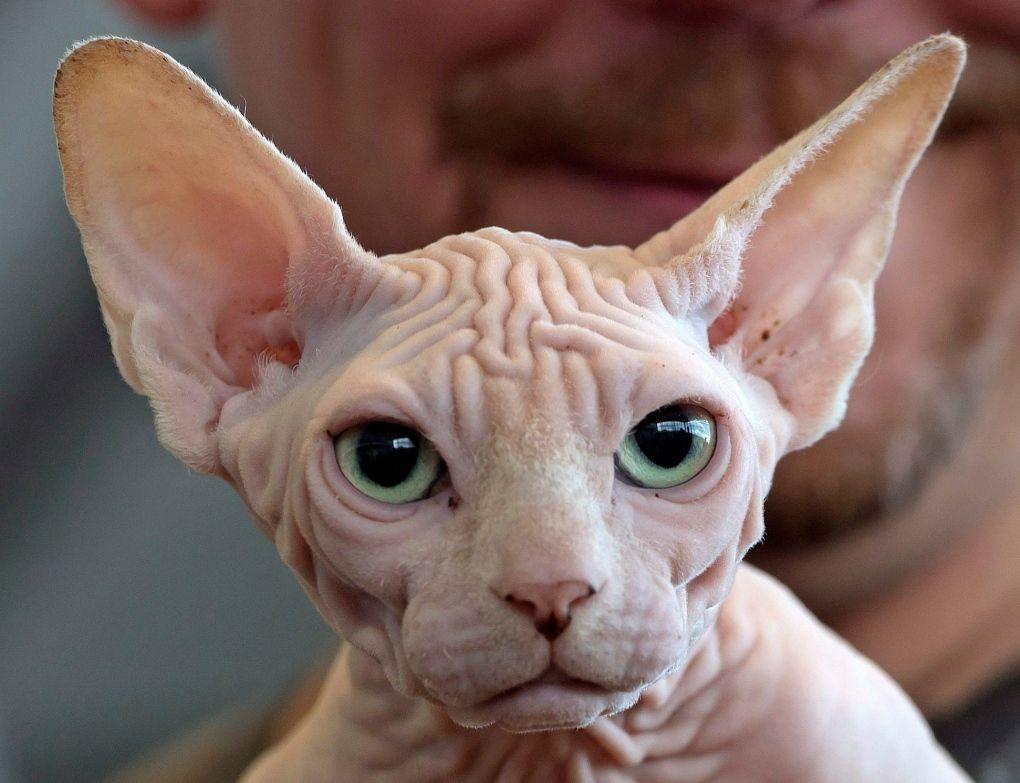
These are classic lentigines (age-related freckles or benign hyperpigmented spots). They are genetically present in many hairless breeds (especially Canadians of rare colors) and do not require treatment if they are flat and do not bother the animal.
Can a Sphynx completely change color over the summer?
Yes, an adult Canadian or Don Sphynx can darken dramatically over the summer if it has free access to sunlight in the country or near a south window. In winter, the intensity of the tan will partially subside, but the pigment may not completely disappear.
Do I need to remove tan or freckles with special products?
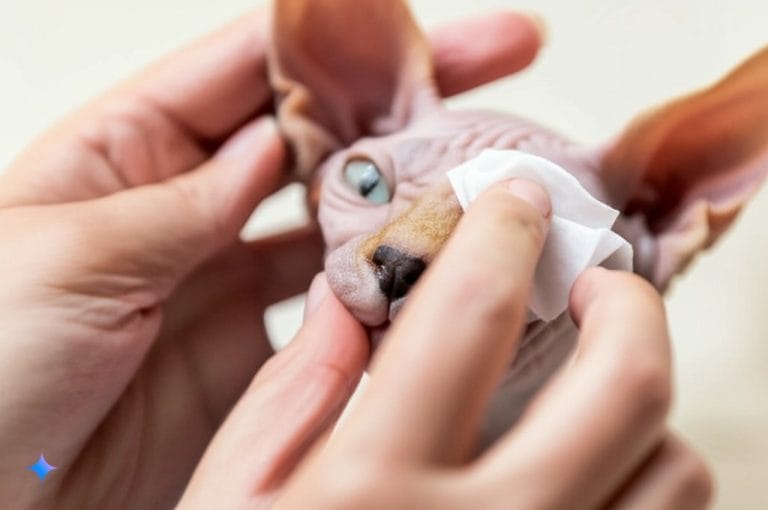
No, it is impossible to wash off a tan, since it is natural melanin in the deep layers of the epidermis. Attempts to wash the skin with brushes or aggressive shampoos (for example, Groomer’s Goop or medicated shampoos with chlorhexidine for other purposes) will only lead to chemical burns and dermatitis.
Are human tanning products safe for cats?
Absolutely not. Sunscreens contain components that are toxic to cats (especially zinc oxide and salicylates), which, when licked, cause severe poisoning and liver damage. Use only specialized pet products.
Why do only the ears and tail of the sphinx darken?
This is the work of acromelanism, a temperature-dependent color gene. In these zones, the cat’s body temperature is slightly lower, so melanin is synthesized there more intensely, reacting both to the sun and to the cool air in the room.