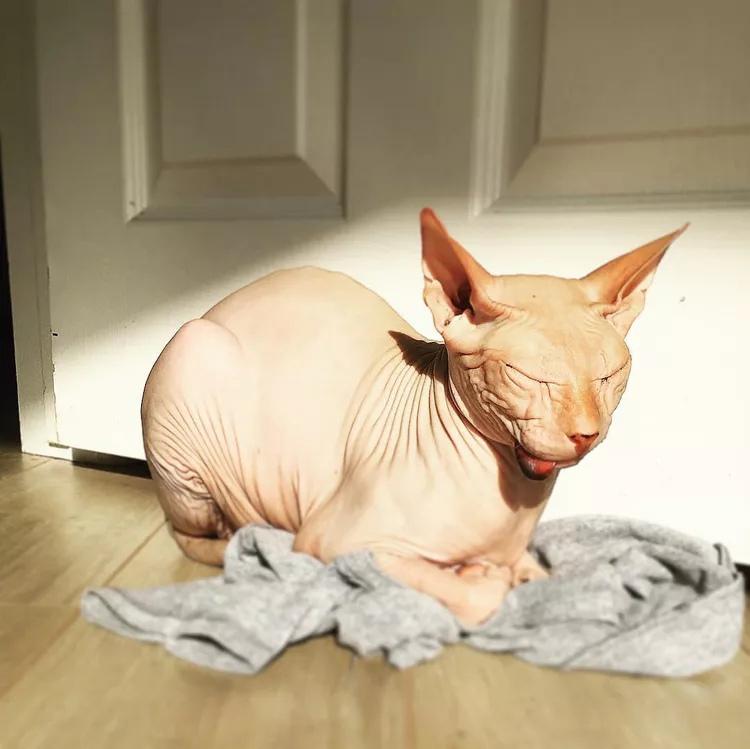
Cat care after anesthesia
With the need to sterilize their cat - a pet, many owners face. This is because during puberty, cats ...
Today, perhaps small children need to be explained what it is, because almost any adult understands: sterilization is an operation to remove the reproductive organs of an animal, as a result of which the hormonal levels decrease and the cat becomes infertile. But after 2-3 weeks, maximum a month, both her and the owners’ peace of mind returns.
Cat behavior after anesthesia
During sterilization, anesthesia is used in veterinary clinics, after which the body gradually recovers within 12-18 hours. After sterilization, your pet may become lethargic and apathetic. She may refuse to eat, suffer from nausea and vomiting, be overly sleepy or aggressive (just like in humans). This condition sometimes lasts until the stitches are removed, so you need to be patient and provide the sufferer with proper care. By the way, the best period for sterilizing cats is the age of 7-8 months.
And remember that the cat needs rest after surgery, so do not disturb her during this period with excessive attention and protect her from children and other pets. And if her condition does not improve within a couple of weeks, and complications appear in the form of a swollen suture, frequent trembling and vomiting, do not delay contacting the veterinarian.
Shivering can be caused by a strong decrease in temperature, so it must be warmed by placing it in a warm place until the body temperature normalizes. But often after surgery, the animal’s temperature can be high (up to 39.5 degrees) and last up to five days. This is also normal. Give your cat a pain reliever and she will feel better. But if on the sixth day the temperature does not return to normal, you need the help of a doctor. And only a doctor can tell you what to do with vomiting and a swollen suture. You should not self-medicate so as not to harm your pet.
Another important tip. To prevent the cat from licking the seams, which can lead to infection with various bacteria, a special blanket is used. It should not hang on the animal's body.
Feeding a cat after anesthesia
On the first day after surgery, the cat may not eat or drink. This is quite normal and should not cause concern to owners. But if after three days she still does not touch food or drink, then we need to sound the alarm. Consult your veterinarian immediately and begin syringe-feeding liquid, low-fat broth. The doctor will tell you how to feed them correctly and prescribe special vitamins.
In turn, you need:
- monitor the amount of fresh water the animal drinks;
- provide him with fresh water and access to it;
- do not force food if the cat vomits after anesthesia;
- you need to feed in small portions, no matter how the cat asks;
- do not provoke constipation with food, and for this the food should be semi-liquid;
- Do not mix industrial feed and food prepared at home.
Beneficial for the animal after anesthesia:
- cottage cheese and kefir with reduced fat content;
- buckwheat and millet porridge;
- boiled vegetables. They can be given in the form of a pate with boiled beef (if your pet does not want to take vegetables in their pure form).
And in conclusion, we once again advise you to listen to the veterinarian’s recommendations after sterilizing your beauty. And then you will have fewer problems with post-anesthesia care.